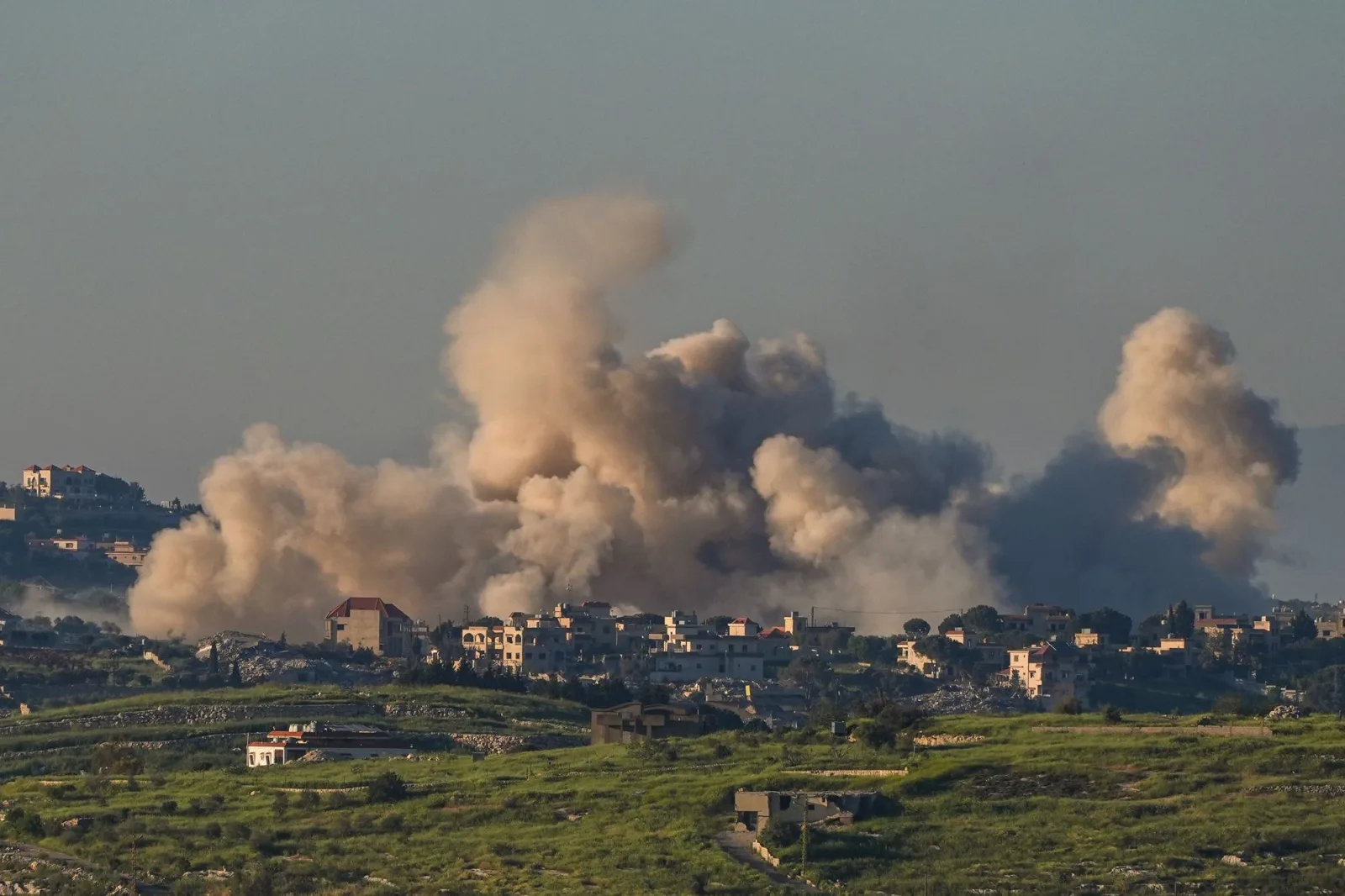
The Israeli Defense Force issued an urgent evacuation warning on Sunday to residents of 11 towns in southern Lebanon, citing the presence of Hezbollah infrastructure in the region. In a message delivered in Arabic, the Israeli military cautioned that anyone remaining near Hezbollah facilities would expose themselves to danger, signaling the possibility of imminent military operations as clashes persist along the northern border.
The warning follows what Israeli officials describe as continued ceasefire violations by Hezbollah, including ongoing rocket fire directed at Israeli territory. Despite these incidents, Israel has refrained from expanding its operations to central Hezbollah strongholds in Beirut and the Dahieh district, according to Israeli officials, who attributed this restraint to operational constraints linked to pressure from Washington.

Israeli officials stated that IDF operations are currently limited to what they characterized as a "forward defense zone," restricted to areas up to the "Yellow Line," in accordance with understandings reached with the United States. This operational boundary has drawn internal scrutiny within Israel as violations continue, with some officials questioning whether the current framework proves effective in addressing the threat.
Israel's Security Cabinet convened on Sunday evening to assess the situation and review operational policy. Cabinet ministers presented positions on whether to maintain existing restrictions or pursue broader military action against Hezbollah targets beyond southern Lebanon.
The developments carry broader diplomatic implications. Israeli media previously reported that President Donald Trump intends to invite Prime Minister Benjamin Netanyahu to the White House during the second week of May, though no formal invitation has been issued. Officials noted that the timing and substance of any such meeting could also depend on developments related to Iran.
The situation in Lebanon unfolds alongside ongoing US-Iran negotiations, with regional de-escalation efforts—including along the Israel-Hezbollah front—viewed by officials and analysts as part of attempts to prevent broader regional escalation from complicating those negotiations. The tension between military considerations and diplomatic constraints continues to shape Israeli policy as the country balances responses to Hezbollah attacks with coordination efforts involving the United States. Decisions emerging from the cabinet meeting are expected to shape the next phase of Israel's northern strategy.