

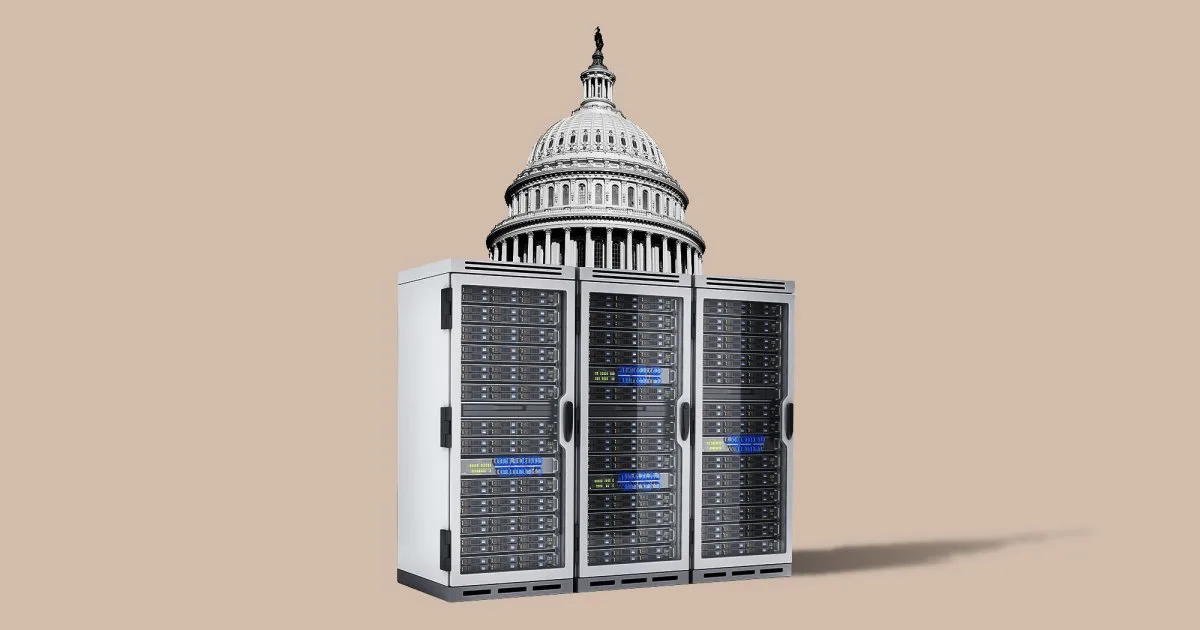
Growing fears from AI experts about the potential dangers of advanced artificial intelligence are prompting calls for tighter federal oversight, but meaningful legislative action in Congress remains stalled. Several bills aimed at enhancing AI safety protocols, including enforceable “kill switches” to shut down dangerous AI models, have yet to move forward in committee amid political disagreements.
One such proposal, the AI Kill Switch Act, would require AI companies to maintain the ability to immediately throttle or disable their models and grant federal officials authority to order shutdowns in emergencies. Another, the more comprehensive FRONTIER Act, seeks to mandate third-party audits to verify safety compliance and empower independent experts to alert federal authorities about catastrophic AI risks. Both bills enjoy bipartisan sponsorship, reflecting some cross-party concern, but neither has been scheduled for a vote.

Experts warn that existing industry practices may fall short of these safety standards. A researcher at the Harvard Kennedy School noted that there is no public evidence of AI developers conducting emergency shutdown drills or other rigorous safety tests. Meanwhile, leading AI companies have publicly supported some form of regulatory oversight and promoted their own safety plans that include third-party inspection.
Although Congress struggles to agree, several states have moved forward with their own AI safety laws. California introduced requirements for frontier AI developers to publish safety protocols and notify the state of critical incident risks. New York will enforce similar regulations soon, while Illinois has enacted legislation mandating independent audits starting in 2028. These measures indicate increasing regional efforts to fill the federal void.
Not all lawmakers favor regulation. Some Republican members express skepticism about imposing restrictions on AI developers, questioning the feasibility of enforcing kill switches on private companies. This hesitance contributes to the legislative deadlock despite heightened public and expert concern about AI’s potential to cause widespread harm.
As fears about the risks of AI technologies grow within the scientific community and beyond, the lack of decisive congressional action on safety measures spotlights the challenges of regulating rapidly evolving technologies at the federal level. For now, states are spearheading precautionary policies while AI developers and advocates continue to push for clearer, enforceable federal standards.