China Positioned to Lead Global Nuclear Energy Expansion Through 2035
Analysts project China will outpace other nations in nuclear energy development, shaping the global market and technological advancements until 2035.


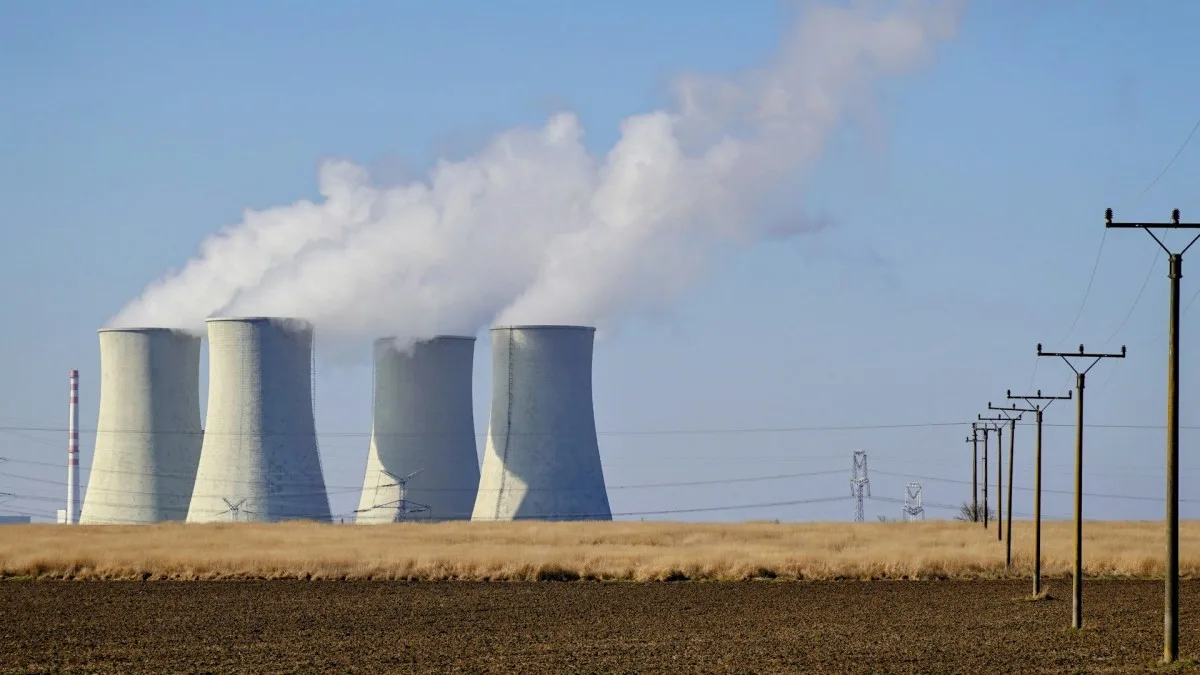
Analysts project China will outpace other nations in nuclear energy development, shaping the global market and technological advancements until 2035.

Clivet introduced its next-generation magnetic levitation technology alongside an AI-powered cooling portfolio at the AI Infra Summit 2026, targeting data center efficiency.
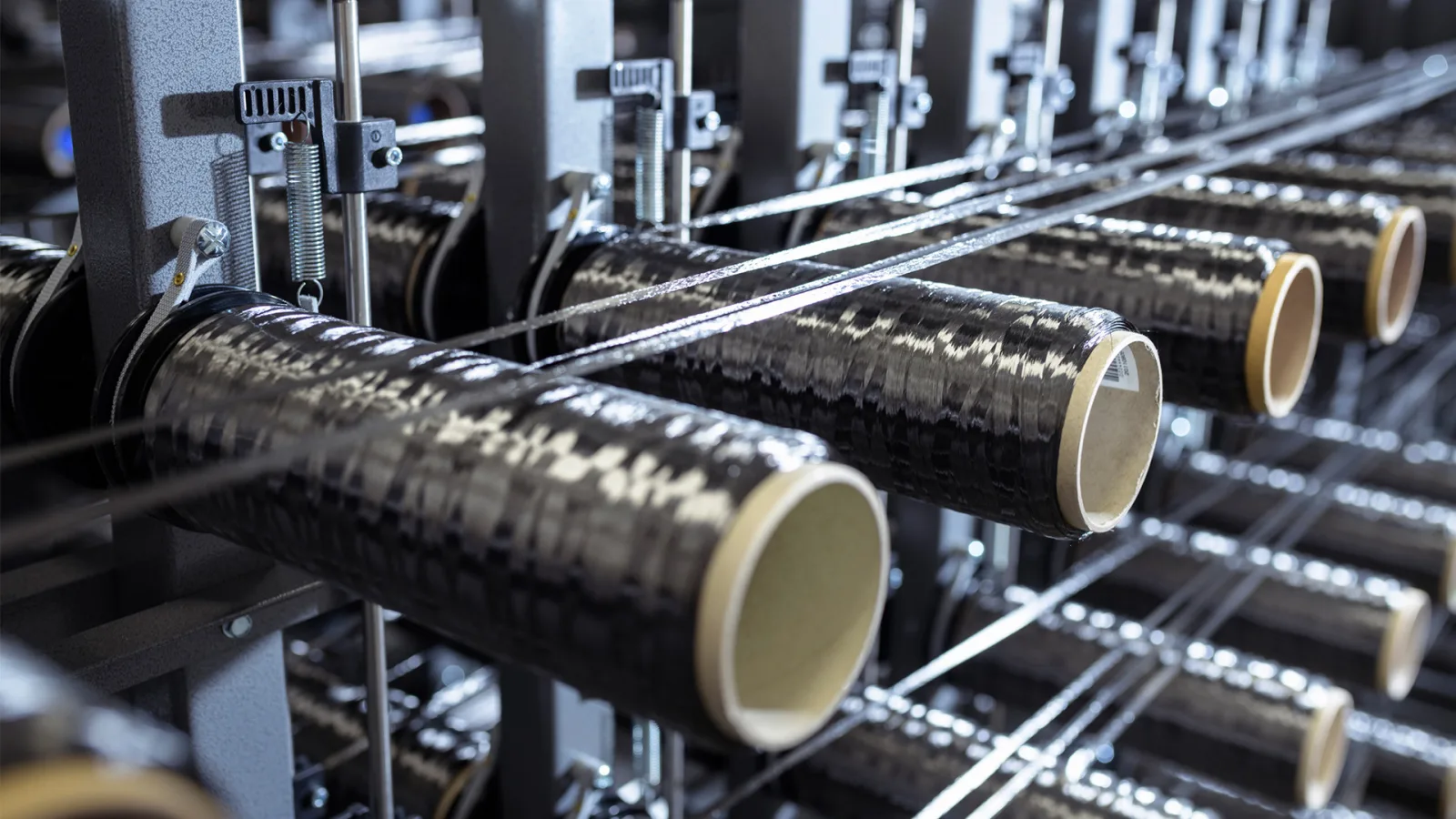
Researchers have found that integrating waste lignin from paper manufacturing into carbon fiber can reduce costs and decrease dependence on petroleum-based materials.

Prime Minister Narendra Modi highlighted that India’s per capita carbon emissions are less than half the global average amid ongoing efforts to balance development and climate goals.

Researchers focus on breeding soybeans with longer roots to better withstand climate extremes while capturing more carbon in the soil, offering potential benefits for agriculture and the environment.
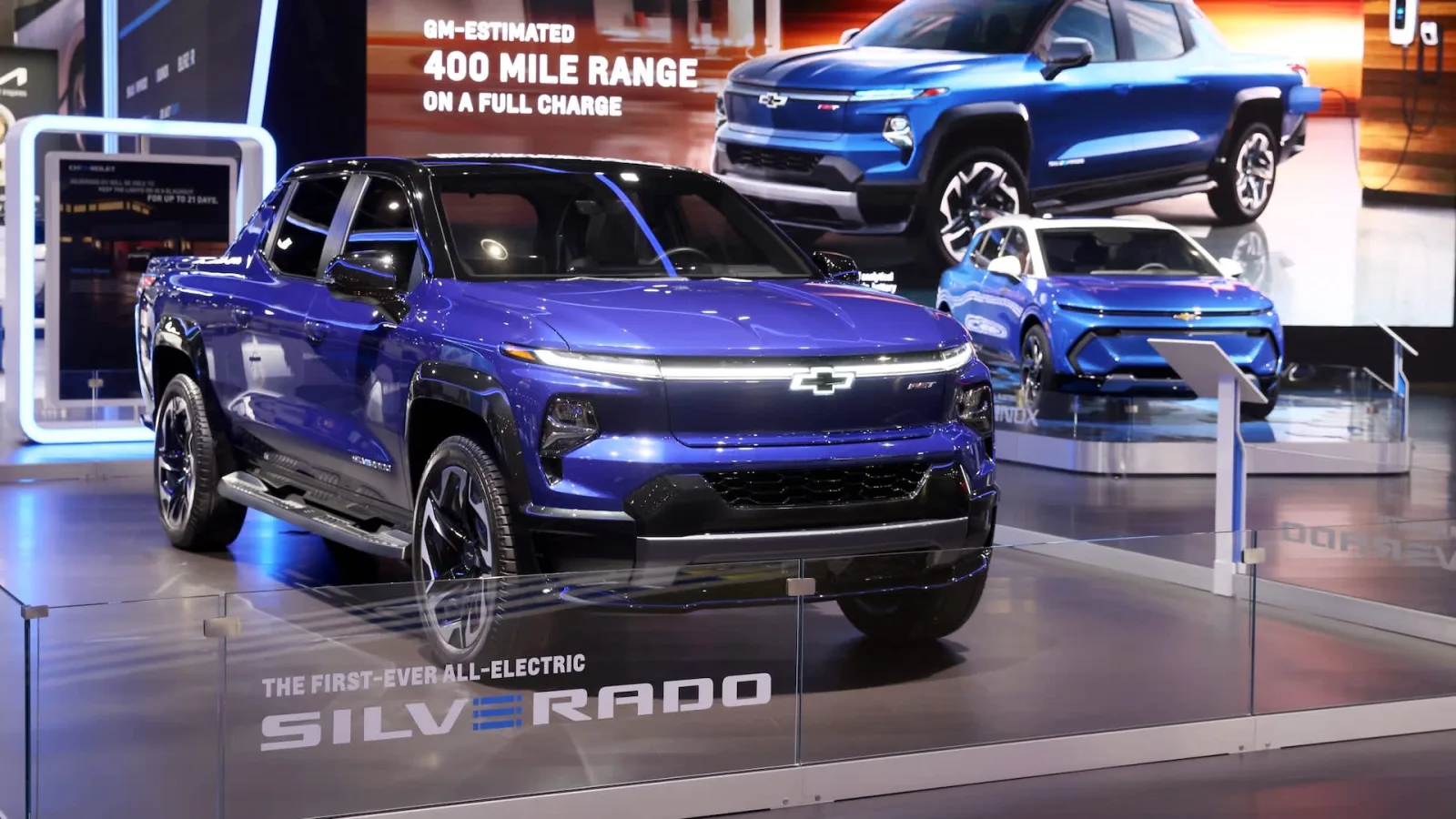
Ford's decision to halt the F-150 Lightning production propels Chevrolet's Silverado EV as the cheapest all-electric full-size pickup available to US buyers.


A new partnership showcases plant-based denim innovation aimed at reducing carbon footprints throughout the supply chain during Climate Week in New York.

Porsche has revealed wireless charging capabilities for its new Cayenne Electric SUVs, enabling drivers to recharge their vehicles without cables starting at a premium price.

Italian compounder LATI unveils new engineering thermoplastics designed to improve thermal management and EMI shielding in electric vehicles.
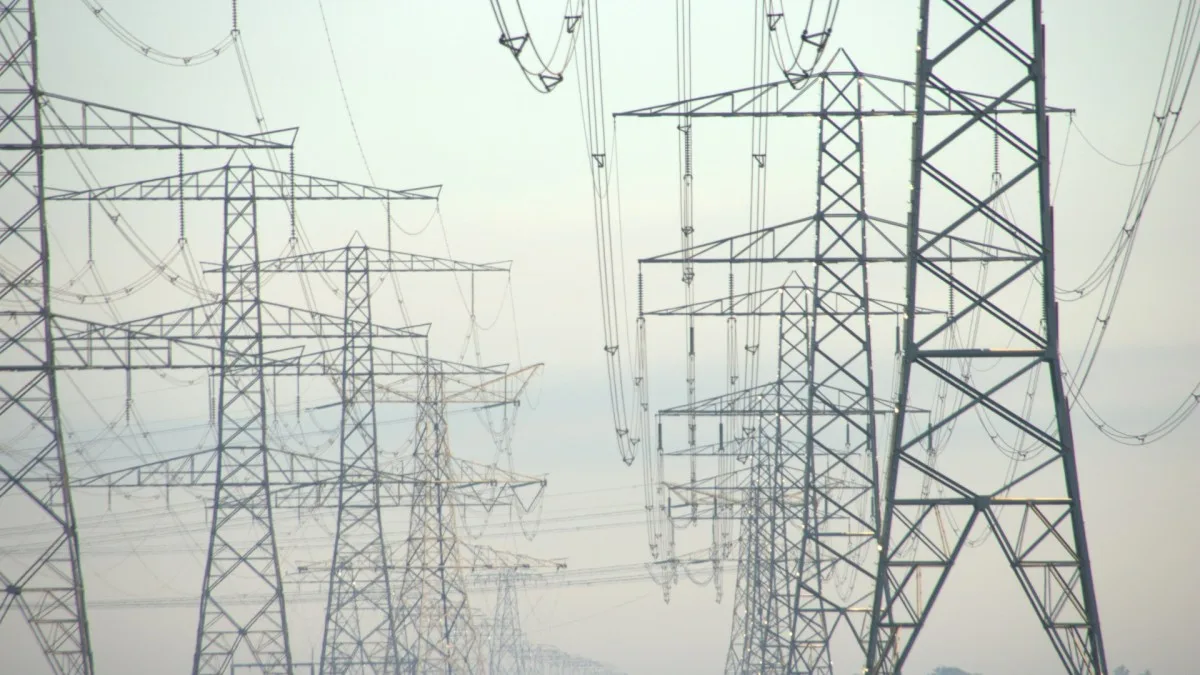
The head of the International Energy Agency emphasized that electrification remains the central focus for energy investments, even amid growing unease about AI risks.

The House passed the Ratepayer Protection Act with an overwhelming majority, mandating AI data centers to pay directly for the electricity they consume, easing the burden on public utilities.
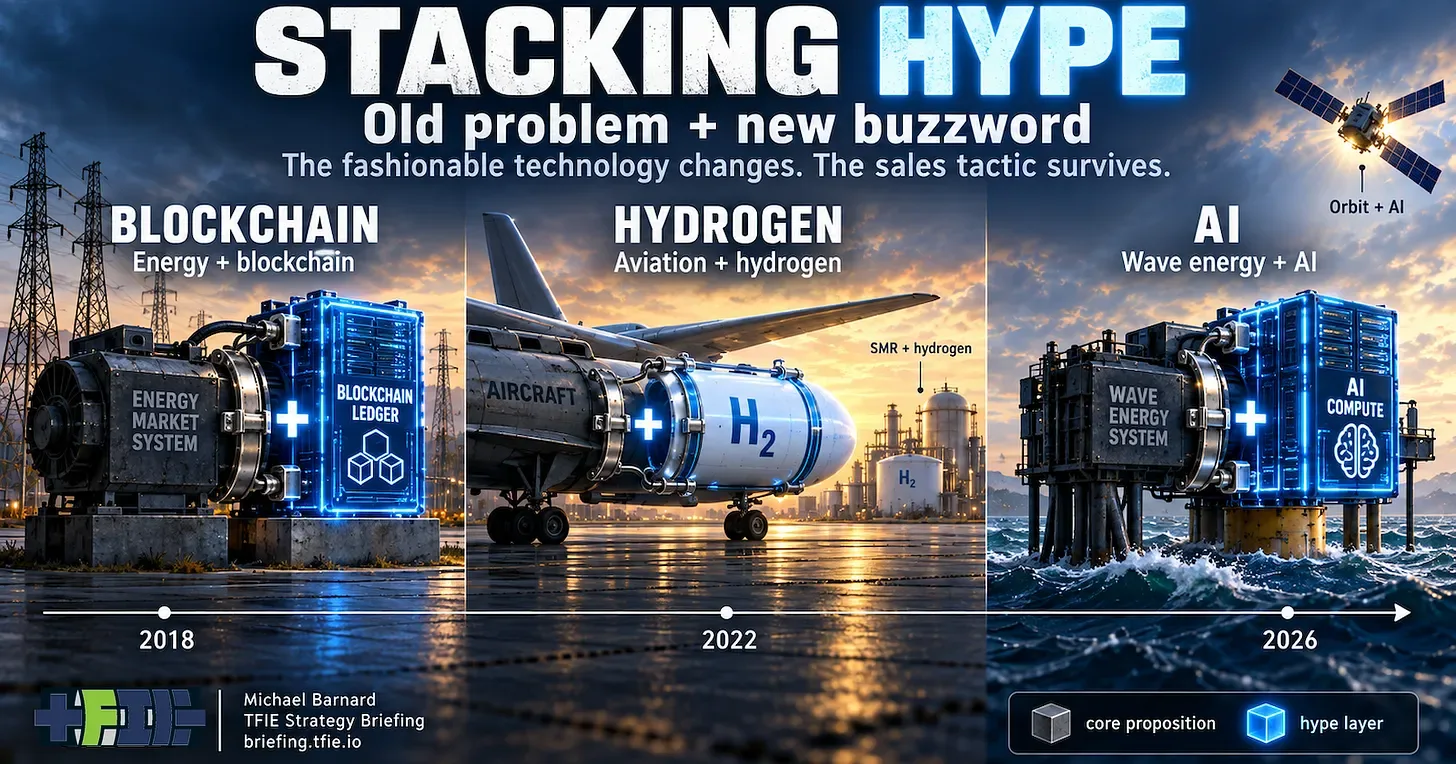
Artificial intelligence is the newest buzz in climate tech, but longstanding market and deployment hurdles continue to limit real-world impact and scalability.