

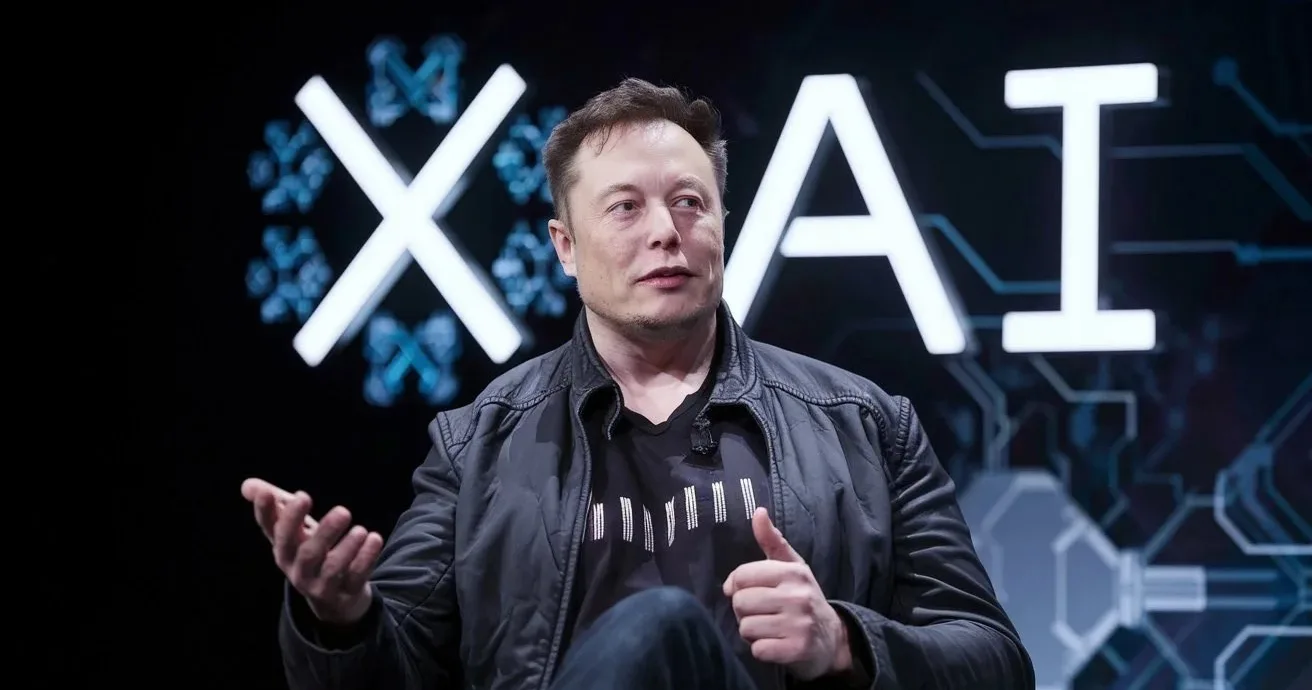
Elon Musk’s artificial intelligence company, xAI, has initiated legal action against Minnesota’s new Nudification Law, known as HF 1606, which prohibits the use of AI to generate or alter images into nonconsensual nude depictions. The legislation, effective August 2026, imposes hefty civil fines on businesses that provide such technology and allows individuals targeted by these images to sue the tech providers. Minnesota Attorney General Keith Ellison is named as the defendant, tasked with enforcing the law.
HF 1606 seeks to curb the rising problem of “nudification” AI tools that digitally strip clothing or fabricate pornographic deepfakes without a person’s consent. This issue has drawn growing legislative attention worldwide amid increasing reports of victims, including public figures and private individuals, suffering harm from nonconsensual AI-generated explicit content. The law broadly bans companies owning or controlling websites or apps from hosting tools capable of producing these prohibited images or creating such content on user behalf.

xAI acknowledges the legitimate aim of restricting nonconsensual nude images and states it already prohibits users from creating or disseminating such content. The company has taken enforcement steps against users who attempt to bypass its safeguards. However, in its federal lawsuit filed in Minnesota, xAI contends that HF 1606 is unconstitutionally broad and imposes a content-based restriction on free speech and artistic expression. The complaint argues that the law’s scope unjustly extends liability to companies even when efforts are made to prevent misuse, raising critical questions about accountability for user-generated content involving AI.
The crux of the dispute centers on xAI’s Grok Imagine model, which enables users to generate and edit images and videos. xAI asserts that Minnesota’s legislation threatens innovation by holding platforms responsible for how users employ AI tools, despite existing protections against abuse. This case highlights the complex balance between safeguarding individuals’ consent and privacy and preserving freedom of expression in the rapidly evolving field of AI-driven media creation.