

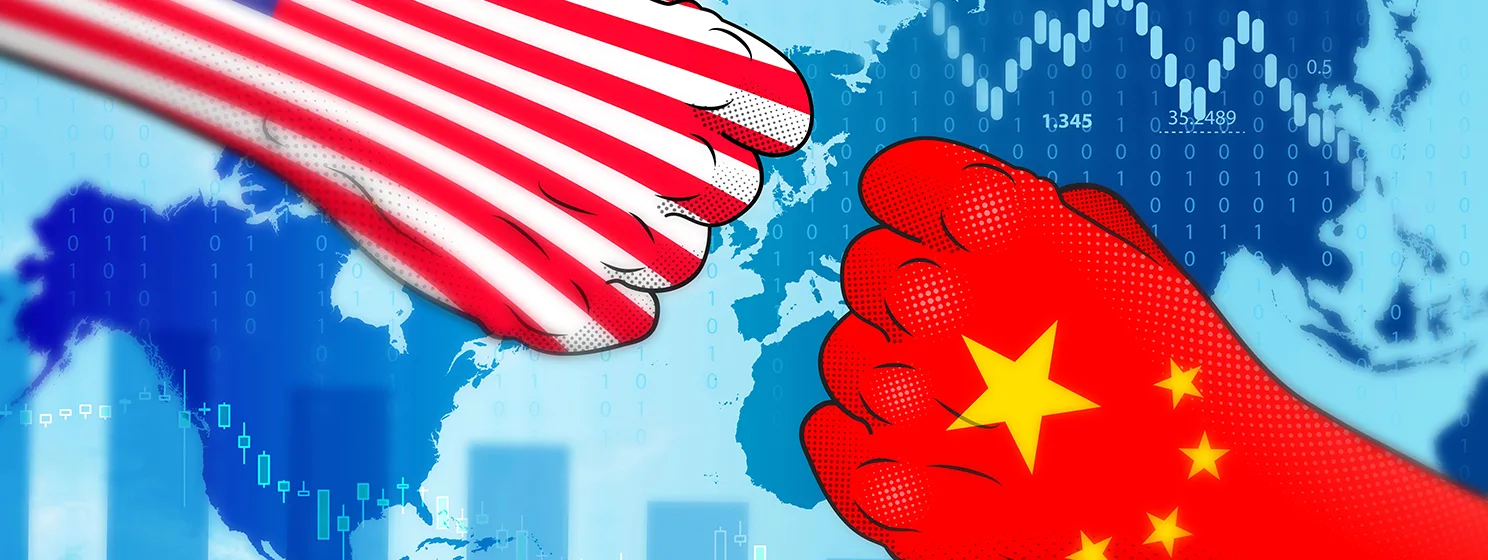
The international contest over artificial intelligence (AI) has evolved beyond developing cutting-edge technologies to becoming a fierce battle for expert knowledge and skilled professionals. Leading nations and corporations recognize that possessing AI talent is critical to maintaining competitive advantages in this rapidly expanding sector.
AI’s transformative potential spans industries from healthcare to defense, making the acquisition and cultivation of specialized human capital a strategic priority. Countries are investing in education, immigration policies, and research collaborations to attract and retain AI experts. This talent-driven approach aims to foster innovation ecosystems that accelerate AI breakthroughs and commercialization.

Amid rising geopolitical tensions, AI expertise has also become a point of national security concern. Governments scrutinize foreign talent flows and intellectual property exchanges to safeguard sensitive AI developments. Some have introduced restrictive measures around data access, research partnerships, and technology transfer, affecting international cooperation.
Meanwhile, competition extends into corporate environments where leading tech companies aggressively recruit AI researchers, data scientists, and engineers. Compensation packages are escalating as firms seek to assemble the best teams capable of pushing the frontiers of machine learning, natural language processing, and autonomous systems.
Experts warn that the scarcity of AI specialists could widen the gap between technological leaders and laggards, influencing economic power balances. Efforts to democratize AI education and foster diversity among practitioners are underway to mitigate talent shortages and promote inclusive innovation.
In summary, the global AI race is increasingly defined by a human knowledge dimension, emphasizing that technological superiority hinges as much on cultivating and managing expertise as on hardware and software advancements.