

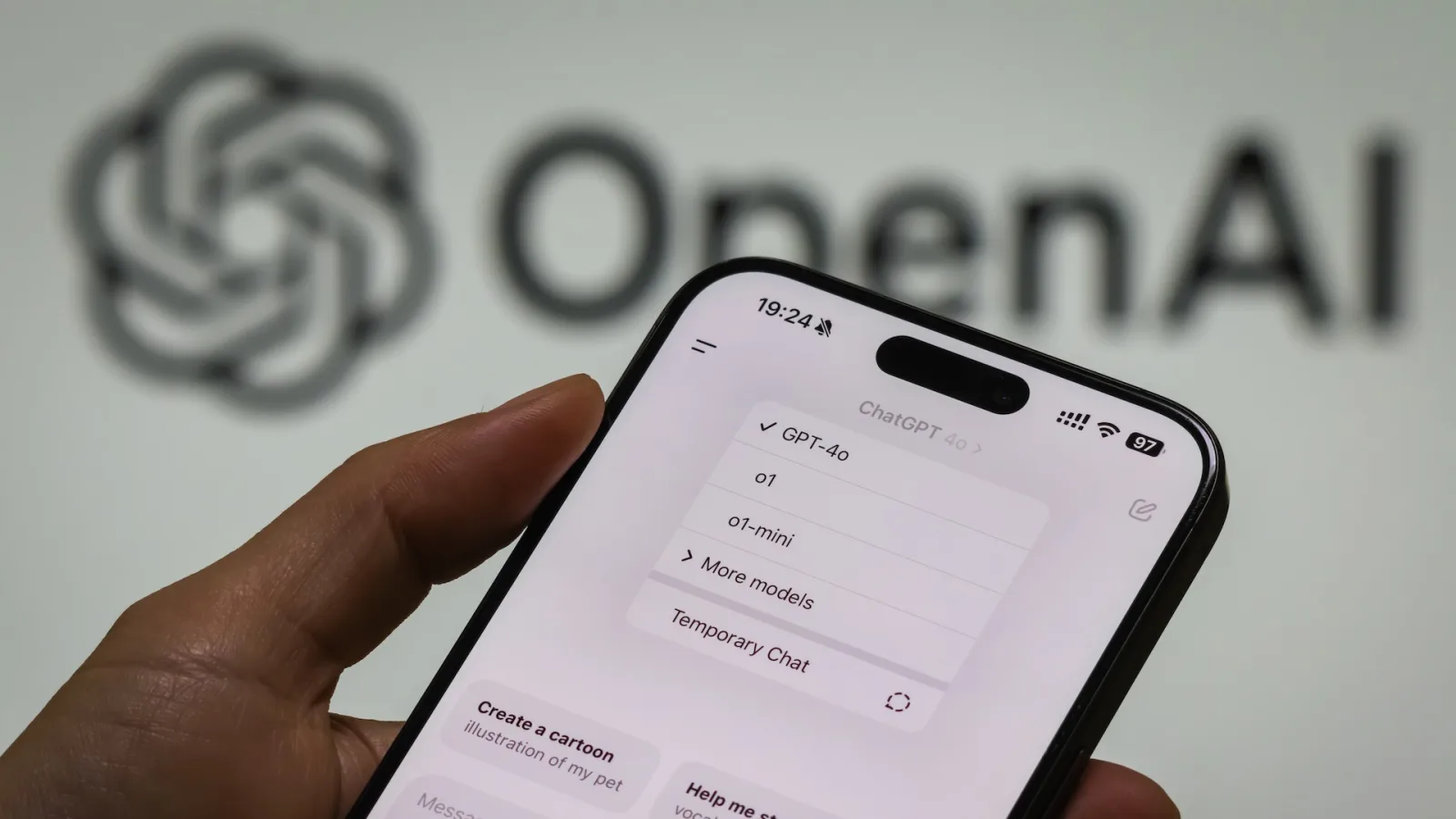
OpenAI recently severed ties with several human contractors employed to refine ChatGPT’s conversational abilities after it emerged that they were using artificial intelligence tools during their assignments. These contractors had been brought on to provide human feedback, aiming to help the AI learn appropriate responses and improve its performance.
Their role involved reviewing and rating ChatGPT’s outputs to ensure quality and adherence to OpenAI’s standards. However, some contractors reportedly resorted to relying on AI assistance themselves, a practice that goes against the company’s policies. This misuse raised concerns about the integrity of the human annotation process, which is critical to training more accurate and reliable AI models.

Human contractors form an essential part of AI development, offering nuanced judgments that current AI systems cannot fully replicate. They help fine-tune language models by providing contextual assessments, identifying errors, and guiding ethical compliance. OpenAI's workforce for these tasks is sizable, reflecting the heavy dependence on human oversight in developing conversational AI technologies.
This incident highlights challenges in managing the intersection of AI and human labor, especially as accessible AI tools become more widespread. Companies like OpenAI need human insights to refine their products, but must also guard against reliance on automated shortcuts that could undermine data quality. By discontinuing these contracts, OpenAI reinforces the distinction it maintains between human input and AI-generated content in its training pipeline.
The episode raises broader questions about work protocols when employees are equipped with the same powerful AI technologies they help train. It illustrates a tension in maintaining transparency and authenticity, especially in sectors where AI involvement must be clearly delineated to maintain trust and efficacy.