

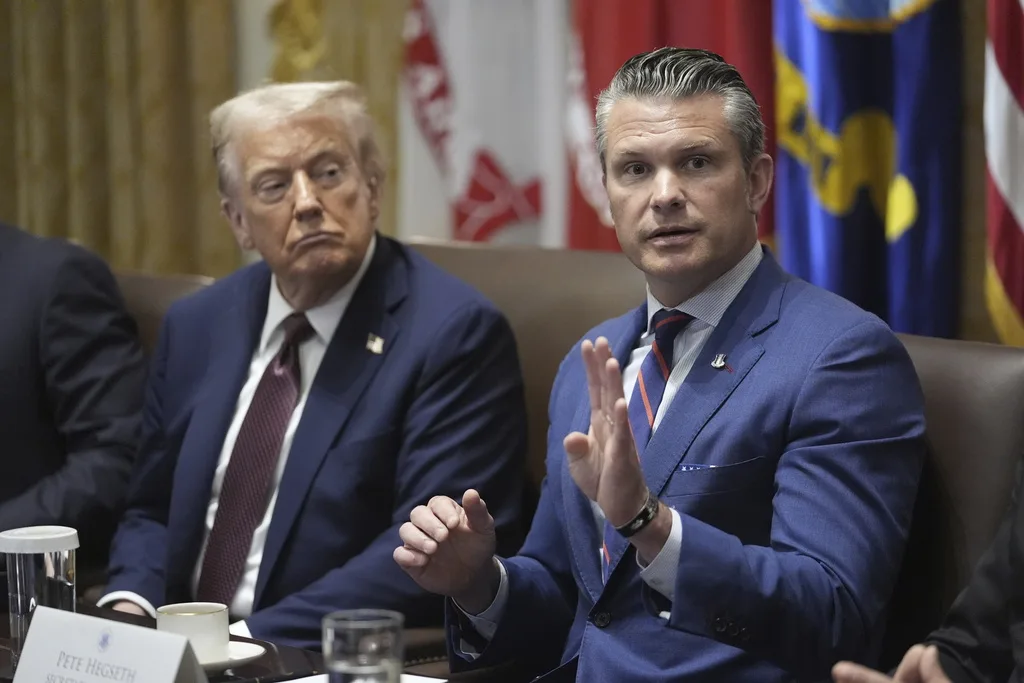
Former President Donald Trump demanded that the acting Attorney General investigate government leaks about the Iran war that appeared in media reports last month. The focus of the inquiry is on officials within the Department of Defense and other agencies suspected of sharing sensitive information with reporters.
After Trump raised his concerns about these leaks, the acting Attorney General pledged to subpoena journalists responsible for disseminating classified or sensitive national security details. Trump reportedly handed over several news articles to the Attorney General highlighted with a sticky note labeling the leaks as “treason.”

Justice Department attorneys have since engaged with their counterparts at the Pentagon to coordinate the investigation. This collaboration reflects the administration’s heightened efforts to identify the sources behind the disclosures, which officials believe threaten national security.
In response to ongoing leaks, Defense Secretary Pete Hegseth expressed frustration last year by confronting senior military leadership and threatening polygraph tests for staff, a move that was temporarily halted following a White House order. This indicates longstanding tensions within the Pentagon over information control during the conflict.
The Wall Street Journal was among the news organizations whose reporting triggered the probe. Its article detailed reservations expressed by senior officials about Israel’s push for a bombing campaign in Iran, exposing internal divisions on the military strategy. The Journal confirmed it received grand jury subpoenas demanding reporter records related to this coverage, a development it condemned as a threat to press freedoms.
Other media outlets that published similar stories around the same time, such as Axios and The Washington Post, also faced scrutiny as the government intensified pressure on the press amidst wartime coverage. The DOJ’s pursuit of subpoenas underscores the administration’s determination to curb unauthorized disclosures on national security matters.