

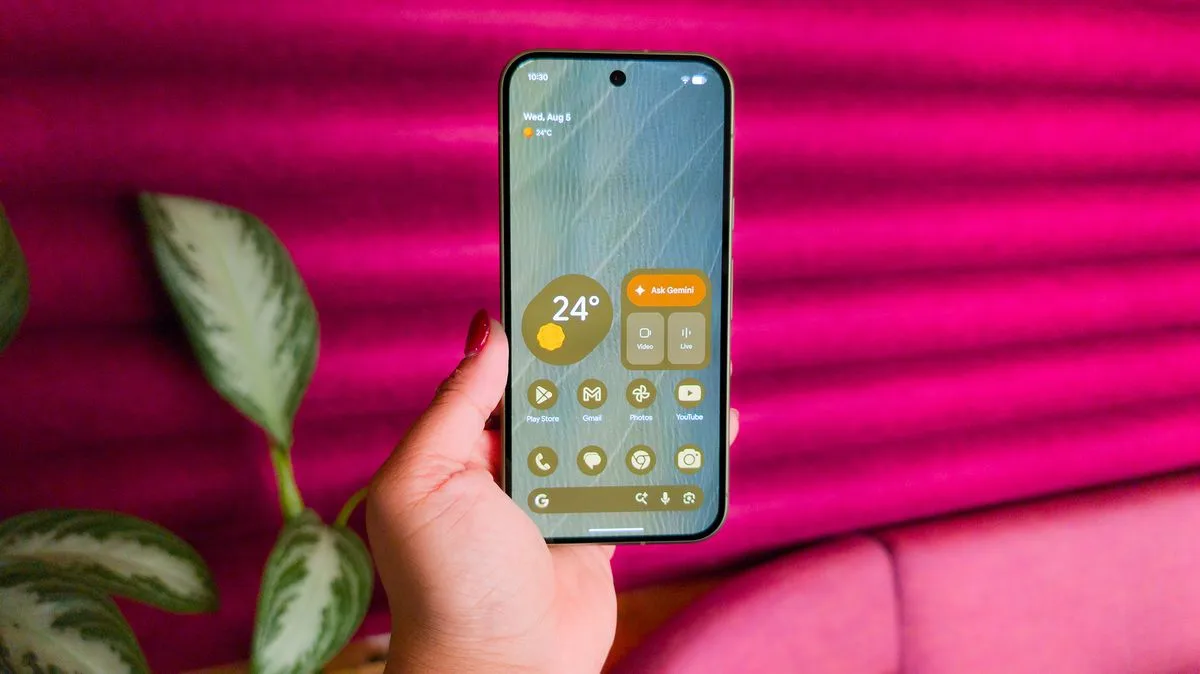
Google is considering the adoption of silicon-carbon battery technology in upcoming Pixel smartphones, aiming to boost battery capacity and charging speed while maintaining a slim design. This move responds to advancements already seen in competitors’ devices, notably Samsung’s latest Galaxy Z8 foldable series, which incorporates this battery innovation to increase capacity significantly.
Silicon-carbon batteries offer advantages such as higher energy density and more compact packaging compared to traditional lithium-ion cells. Samsung’s newest foldables, for instance, increased battery capacity from 4,400mAh to 5,000mAh without adding bulk, highlighting the material’s potential to enhance user experience through longer battery life and faster recharge times.

However, Google remains cautious due to the relatively faster degradation rate of silicon-carbon batteries. This accelerated aging could affect device longevity, making it a critical factor in Google’s evaluation process before widespread implementation. The company’s product managers have acknowledged that while the technology is compelling, it requires careful consideration to balance performance gains with durability concerns.
Chinese smartphone manufacturers have incorporated silicon-carbon technology ahead of most others, demonstrating commercial viability and industry trends that Google cannot ignore. As these OEMs successfully deploy this technology in models like the OPPO Find N6 and Honor Magic V6, pressure mounts on Google to accelerate its battery innovations to remain competitive.
Google did not include silicon-carbon batteries in the Pixel 11 series, but insiders suggest the technology could debut as soon as the Pixel 12 or Pixel 13 lineup. The decision hinges not only on the battery’s technical merits but also on how Google manages consumer expectations around device lifespan—an increasingly important factor as premium smartphones aim to combine performance with sustainability.
As the market evolves, Google faces a strategic choice: continue delaying integration to perfect the technology or move quickly to match rivals adopting silicon-carbon batteries. Samsung’s example shows how such batteries can redefine foldable phone design by increasing battery size without sacrificing thinness and weight, underscoring the growing necessity for Google to innovate in this space.