

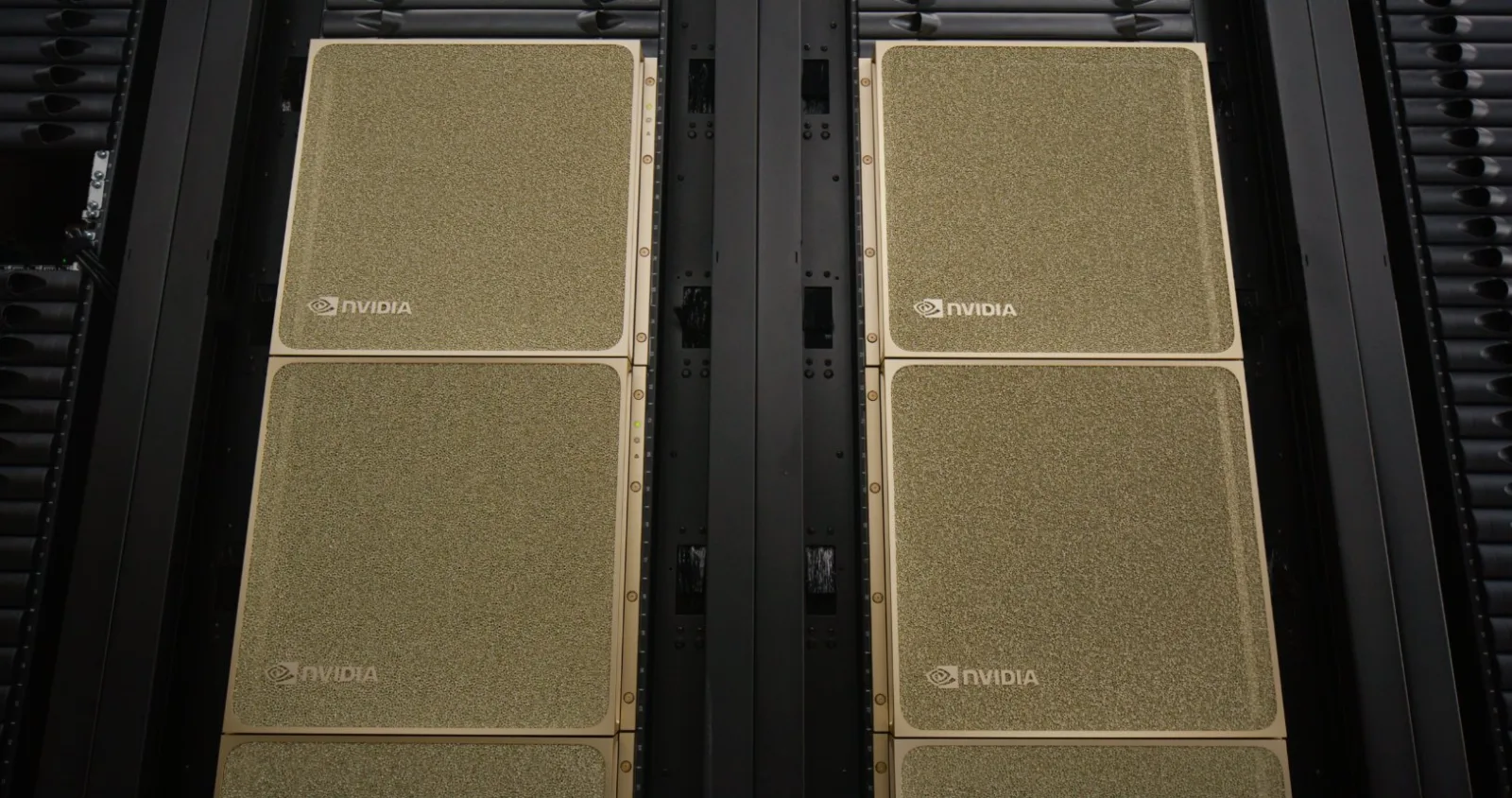
NVIDIA is ramping up production of its Vera Rubin CPU racks, aiming to manufacture up to 1,000 units per day to capitalize on the growing demand for AI computing power. This acceleration follows the company's milestone of shipping "hundreds of thousands" of standalone servers powered by its Grace CPUs, solidifying its transition from a GPU-focused company to a full-stack system provider.
The Vera Rubin platform, built around NVIDIA’s Arm-based CPU architecture, represents a significant leap in the company’s CPU roadmap. It is designed to overcome the performance limitations of legacy CPUs commonly used in AI infrastructure. According to NVIDIA's Vice President of HPC and Hyperscale systems, Ian Buck, the Grace servers’ success sets the stage for Vera's expected outsized growth, backed by collaborations with over 300 global partners.

NVIDIA’s Senior Vice President of hardware engineering, Andrew Bell, revealed that about a dozen manufacturing partners will share the production burden to achieve this volume target of 1,000 racks daily. This scale suggests immense revenue potential, with estimates pointing to over $630 billion per quarter in gross sales from Vera-based systems if demand materializes as projected.
This ambitious ramp-up arrives as NVIDIA positions itself to become the world’s leading CPU supplier in the AI sector this year. The company has already shipped more than 2.5 million Grace chips to date, and Vera is expected to significantly surpass these figures. Its aggressive volume strategy aims to meet the needs of AI firms and cloud data centers globally, ensuring timely delivery within a competitive market environment.
The Vera Rubin platform’s volume ramp started last month, setting NVIDIA on course to generate about $20 billion in CPU revenue alone this year. The company faces stiff competition from other chipmakers such as AMD, which is rolling out its EPYC Venice processors with equally advanced technology. The unfolding battle for dominance in Agentic AI computing will hinge on successful production scale and ecosystem partnerships.