

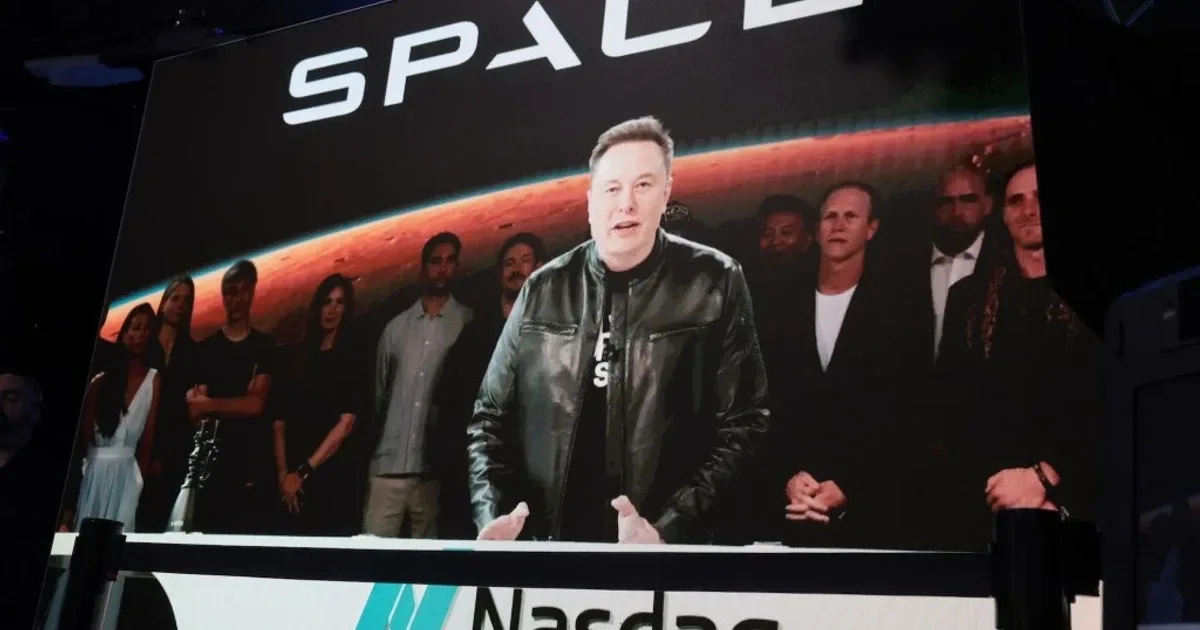
SpaceX has reportedly presented investors with a prototype of a handset-like AI device prior to its public offering, highlighting the company's ambition to broaden its technological footprint beyond rockets and satellite internet. The prototype is described as slimmer than an iPhone and integrates SpaceX’s xAI technology with a proprietary operating system, suggesting a vertically integrated approach combining hardware, connectivity, and AI services.
This move aligns with earlier statements from Elon Musk, who indicated that a device connecting directly to SpaceX’s Starlink satellite network remains under consideration, even as he denied the development of a conventional smartphone. The envisioned device appears designed for optimized satellite connectivity and neural network applications, rather than competing head-to-head with established smartphone makers.

Investor briefings often signal a company’s strategic direction, and SpaceX’s focus on the intersection of AI, wireless technology, and satellite communications points to a telecom-centric ecosystem. Starlink would serve as the foundational network, while the handset would act as a consumer-facing gateway linking space infrastructure to everyday use.
Despite Musk’s public denial of the handset report, the company’s guarded response leaves room for ongoing internal development or testing of new device concepts. The prototype’s early stage means designs and product plans could still change substantially.
This strategy would mark a significant evolution for SpaceX, potentially transforming it from a space and broadband provider into an integrated wireless and AI hardware player. By leveraging its satellite network alongside custom AI tools, SpaceX could position itself uniquely within the broader tech landscape as it prepares for its IPO.