

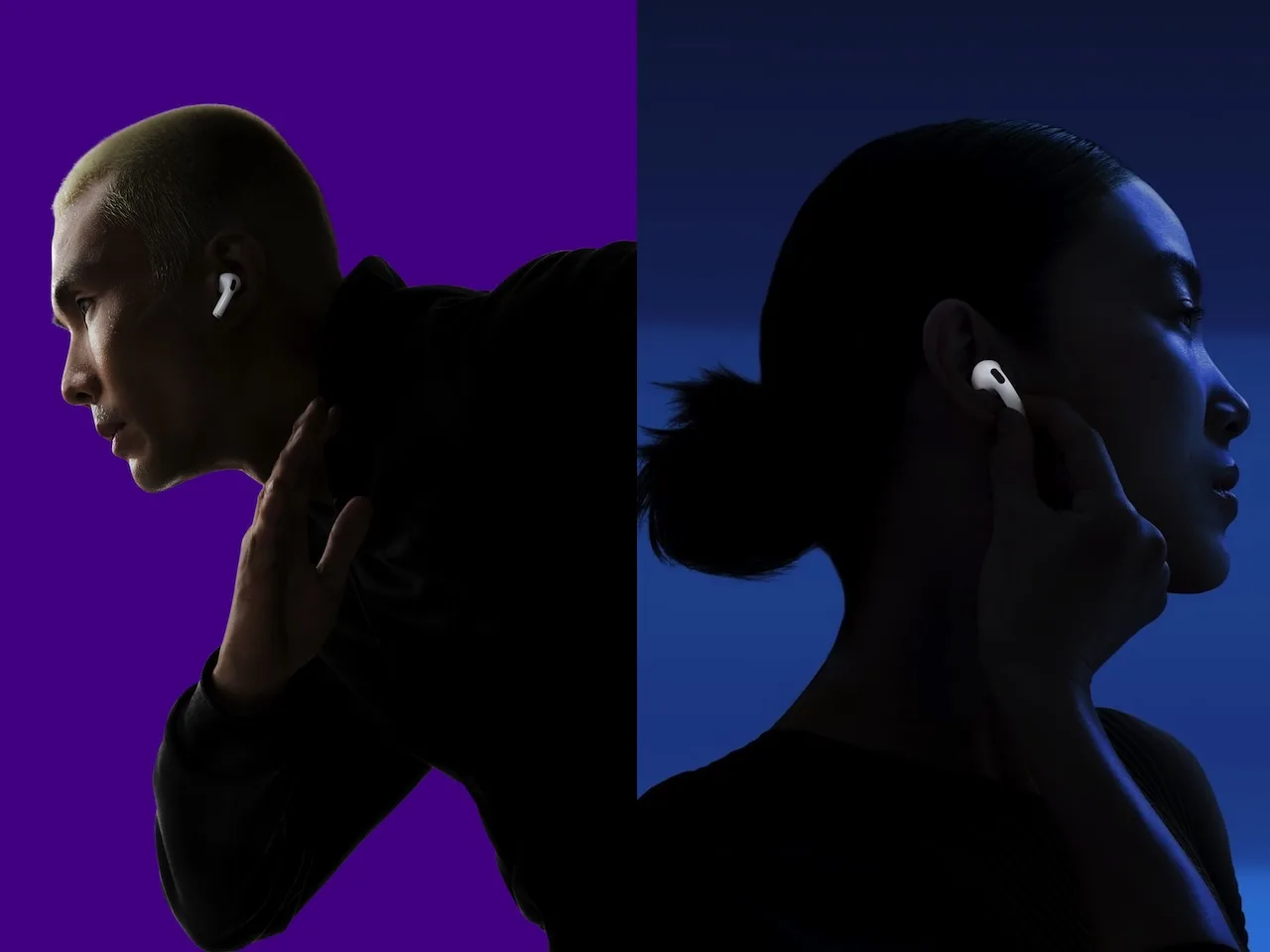
Choosing between Apple’s AirPods 4 and AirPods Pro 3 hinges primarily on your preference for fit and noise cancellation quality. While both models share advanced technologies like USB-C charging cases, the H2 chip, and spatial audio, they cater to contrasting styles of listening experiences. The AirPods 4 feature an open, on-ear design that prioritizes lightweight comfort, whereas the Pro 3 models deliver an in-ear, sealed silicone fit that supports industry-leading noise cancellation.
Apple launched the AirPods 4 as a replacement for the AirPods 3, offering both a standard and an ANC (active noise cancellation) version. A year later, the AirPods Pro 3 arrived, positioned as the premium option with enhanced hardware capabilities. Both models include Apple’s spatial audio and Voice Isolation for improved call clarity. However, advanced ANC-only features like Adaptive Audio, Conversation Awareness, and Live Translation come exclusively with the AirPods 4 ANC variant and the Pro 3 earbuds, not the standard AirPods 4.

The core physical difference lies in their design: AirPods 4 maintain the classic, hard-plastic, stem-style earbud that rests at the ear’s entrance, avoiding the “in-ear” sensation. This suits users uncomfortable with silicone tips or those who dislike the feeling of earbuds fully inserted in the ear canal. However, the fit may feel less secure for some, as customization is limited. By contrast, the Pro 3 use newly developed foam-infused silicone tips available in six sizes, including an XXS option, intended to fit a wide range of ear shapes. This sealed design enhances audio isolation, delivers stronger bass response, and improves ANC performance, but can cause ear fatigue during prolonged use.
When it comes to noise cancellation, the AirPods 4 with ANC offer lighter suppression of ambient noise, focusing on reducing low-frequency sounds like airplane engines and urban noise. Their open design inherently limits how much sound they can block compared to in-ear models. The AirPods Pro 3 take a different approach, boasting up to twice the noise reduction of their previous generation, making them suitable for users seeking near-complete sound isolation in noisy environments.
Apple’s premium Pro 3 earbuds also include unique health-related features such as in-ear heart rate sensing and tools for hearing aid support and hearing protection, which are absent in the AirPods 4 lineup. Both models benefit from Apple’s latest acoustic architecture and support seamless integration with Apple’s spatial audio ecosystem, ensuring immersive sound for music, calls, and media.
On pricing, the AirPods 4 start at a lower price point, discounted from their original retail value, making them an attractive choice for those who prioritize comfort and moderate noise cancellation without paying for premium features. The AirPods Pro 3, while costing more, justify their price through superior ANC, customizable fit, and additional sensory health features.
Ultimately, users who value comfort and an open fit might prefer the AirPods 4, especially if they dislike the feeling of in-ear buds. Conversely, those who require effective noise cancellation for travel, commuting, or focus-intensive settings will likely find the AirPods Pro 3 better suited to their needs. Trying both models in person is recommended, particularly for users sensitive to ear pressure, given the contrasting fit styles.