

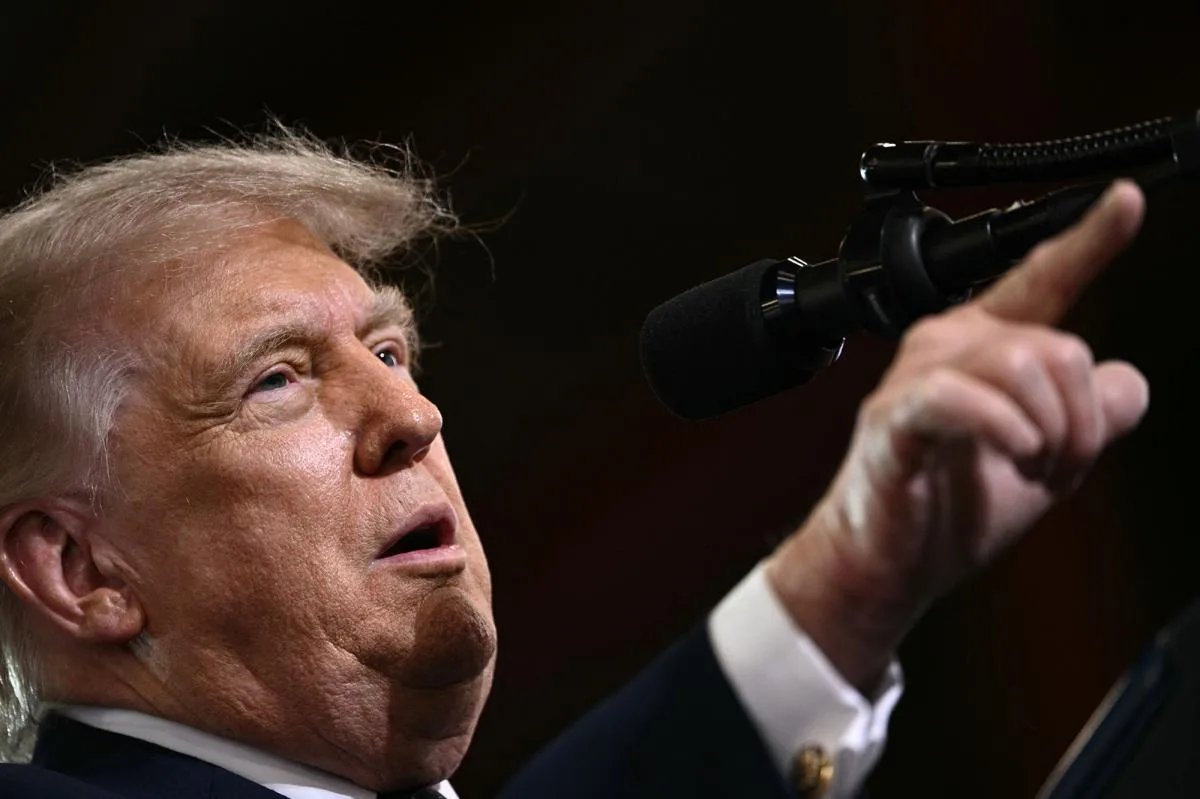
The possibility of President Donald Trump endorsing a new Iran nuclear deal raises significant questions about the agreement’s substance and enforcement. Unlike previous accords, the emerging deal lacks clear, publicly disclosed commitments from Iran and hinges largely on the threat of U.S. military action or severe sanctions if Tehran defaults.
The deal’s contours differ markedly from Iran’s official stance, with no transparent, on-the-record summary of the obligations each side must fulfill. A critical sticking point remains the full, unconditional reopening of the Strait of Hormuz, a vital international shipping route that Tehran has used as leverage in the past. Although Iran has yet to admit to the concessions demanded by the U.S., the agreement’s effectiveness depends heavily on Iran’s compliance with limits on enrichment of uranium and permitting regular inspections of its nuclear facilities.

However, Iran’s history of violating nuclear commitments casts doubt on any claims of compliance, including promises made under the 2015 Obama-era deal and prior treaties that pledged to maintain a peaceful nuclear program. The uncertainty extends beyond Trump’s presidency, which ends in early 2029, raising concerns about whether future administrations will maintain the same firm approach toward Iran.
In essence, should Trump finalize this deal, American trust will be crucial—not only faith in the current administration’s ability to enforce and monitor Iran’s obligations but also confidence in future leadership to uphold or escalate pressure if Tehran reneges. The enduring challenge is whether the deal can prevent Iran from further nuclear advancement or serve merely as a temporary pause amid a broader geopolitical contest.