

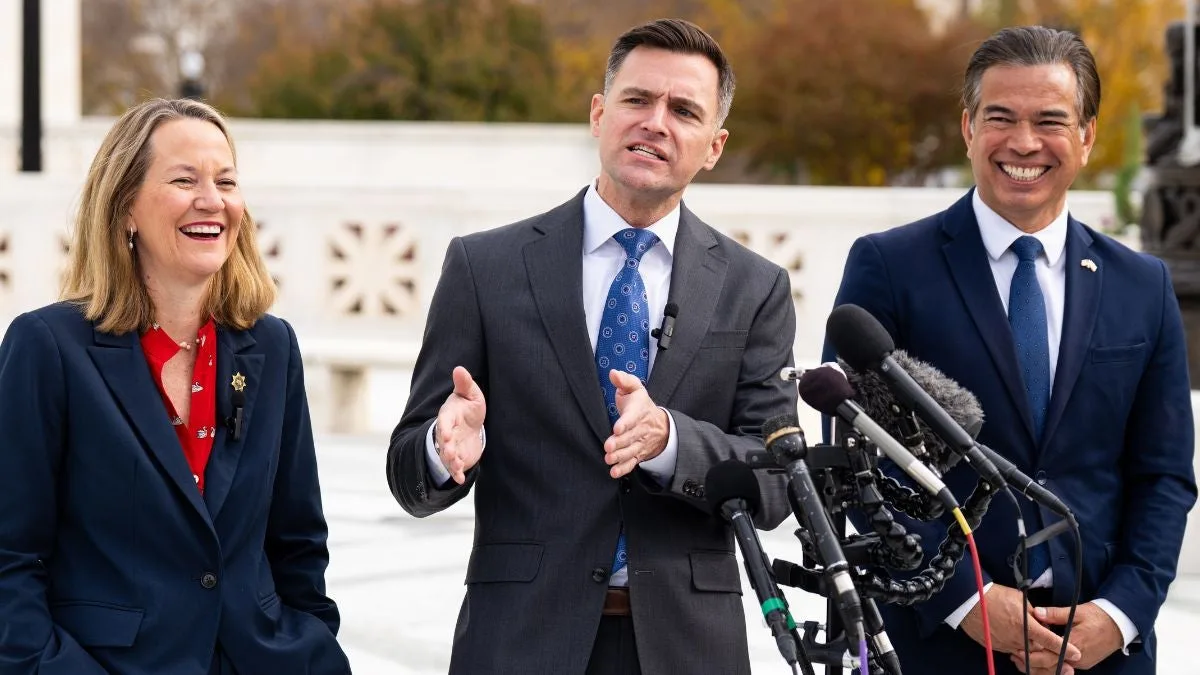
Oregon’s attorney general has withdrawn both the state’s records request and a motion aimed at delaying the closing of the $110 billion merger between Paramount and Warner Bros. Discovery. This development follows weeks of scrutiny over the deal, which was first announced earlier this year.
The state had sought internal documents related to the companies’ federal lobbying efforts, involvement in the Department of Justice’s approval, and an internal initiative dubbed “Project Warrior.” Oregon alleged that Paramount had failed to fully comply with this request. The Attorney General’s office subsequently filed a motion to postpone the merger’s completion by 60 days despite Paramount’s claimed substantial compliance with the inquiry.

Paramount countered that there was no legal justification to delay the merger, emphasizing that the state had received extensive documentation—over 822,000 documents from Paramount and an additional 1.2 million from Warner Bros. Discovery. Company representatives also highlighted the global nature of regulatory scrutiny, noting antitrust authorities worldwide had cleared or declined to block the transaction.
The Paramount spokesperson stated the withdrawal was the right course, describing the merger as a pro-competitive move that would strengthen competition against dominant streaming and technology platforms. The spokesperson asserted that the transaction would enhance consumer choice, increase investment in premium content, and generate opportunities for creators and workers.
The merger has already secured approval from the U.S. Department of Justice and the shareholders of Warner Bros. Discovery. However, a coalition of state attorneys general remains considering potential legal challenges. Additional regulatory milestones are pending, including decisions by the European Commission and the U.K. Secretary of Culture, Media and Sport, both of which are reviewing the deal’s implications for competition and foreign investment.
The European Commission’s review is expected to conclude after July 22, with a midpoint deadline on July 14 for foreign investment concerns. Meanwhile, the U.K. official has expressed tentative intent to intervene, signaling further scrutiny ahead.