

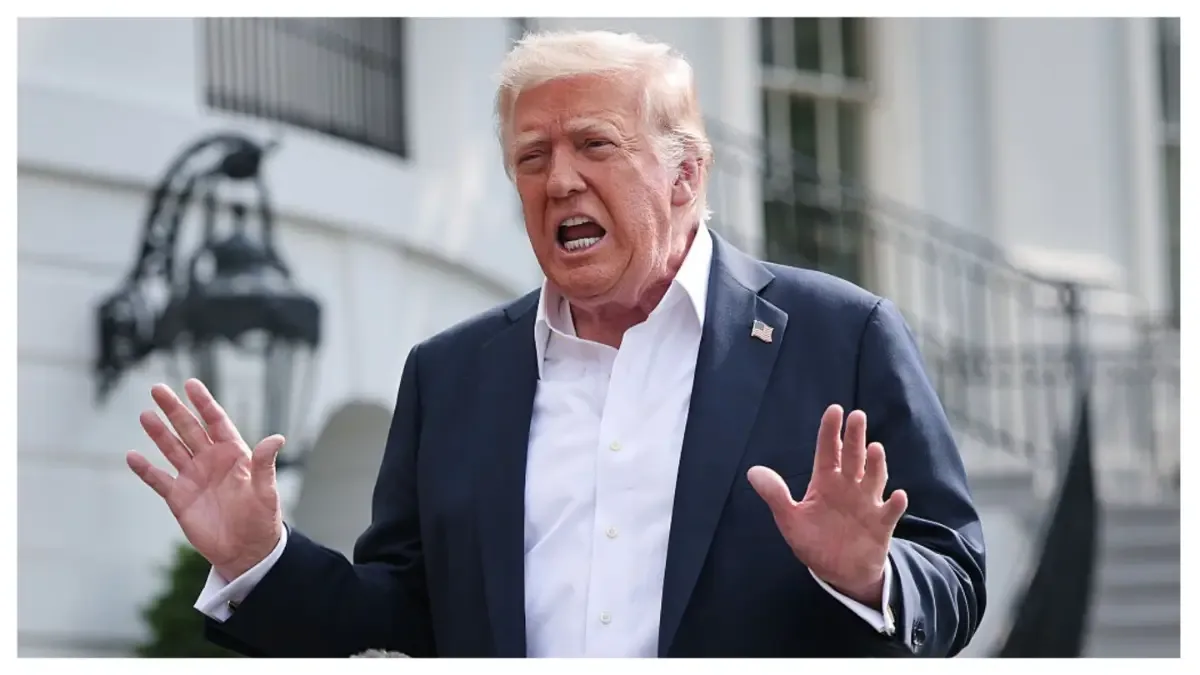
President Donald Trump expressed intense anger during a phone call with Israeli Prime Minister Benjamin Netanyahu, criticizing Israel’s recent military operations in Lebanon as dangerously escalating tensions. The confrontation emerged at a critical moment when U.S. negotiators were attempting to finalize a deal with Iran aimed at halting violence in the region.
Officials familiar with the call reported that Trump’s frustration centered on Israel’s expanded strikes, which had provoked strong warnings from Tehran and threatened to collapse the ongoing diplomatic efforts. Trump accused Netanyahu of reckless behavior that risked undoing weeks of delicate negotiations and damaging U.S. foreign policy goals.

During the exchange, Trump reportedly insisted that Netanyahu had acted without regard for the broader consequences, emphasizing that Washington’s support should not be taken for granted. One official summarized the president’s words as calling Netanyahu “f-cking crazy” and reminded him of the political protection the U.S. had extended, suggesting that both the Israeli leader and Israel itself were losing global goodwill as a result of these actions.
The dispute focused largely on Israeli targeting of Hezbollah positions in southern Lebanon, including expanded ground operations and airstrikes, some of which resulted in notable civilian casualties and significant property damage. Trump recognized Israel’s right to defend itself against Hezbollah attacks but viewed Netanyahu’s recent moves as disproportionate and counterproductive.
Negotiators were concurrently drafting a memorandum that would include commitments to cease hostilities in Lebanon as part of a broader effort to stabilize the region. Iran had openly threatened to withdraw from talks if Israeli military actions intensified, increasing the stakes of the phone call.
This episode highlights the complex balance the U.S. seeks between supporting its closest allies and managing regional stability through diplomacy. Israeli strikes intended to suppress Hezbollah’s influence appeared to risk unraveling talks designed to reduce violence, underscoring tensions within the U.S.-Israeli partnership during a pivotal diplomatic moment.