

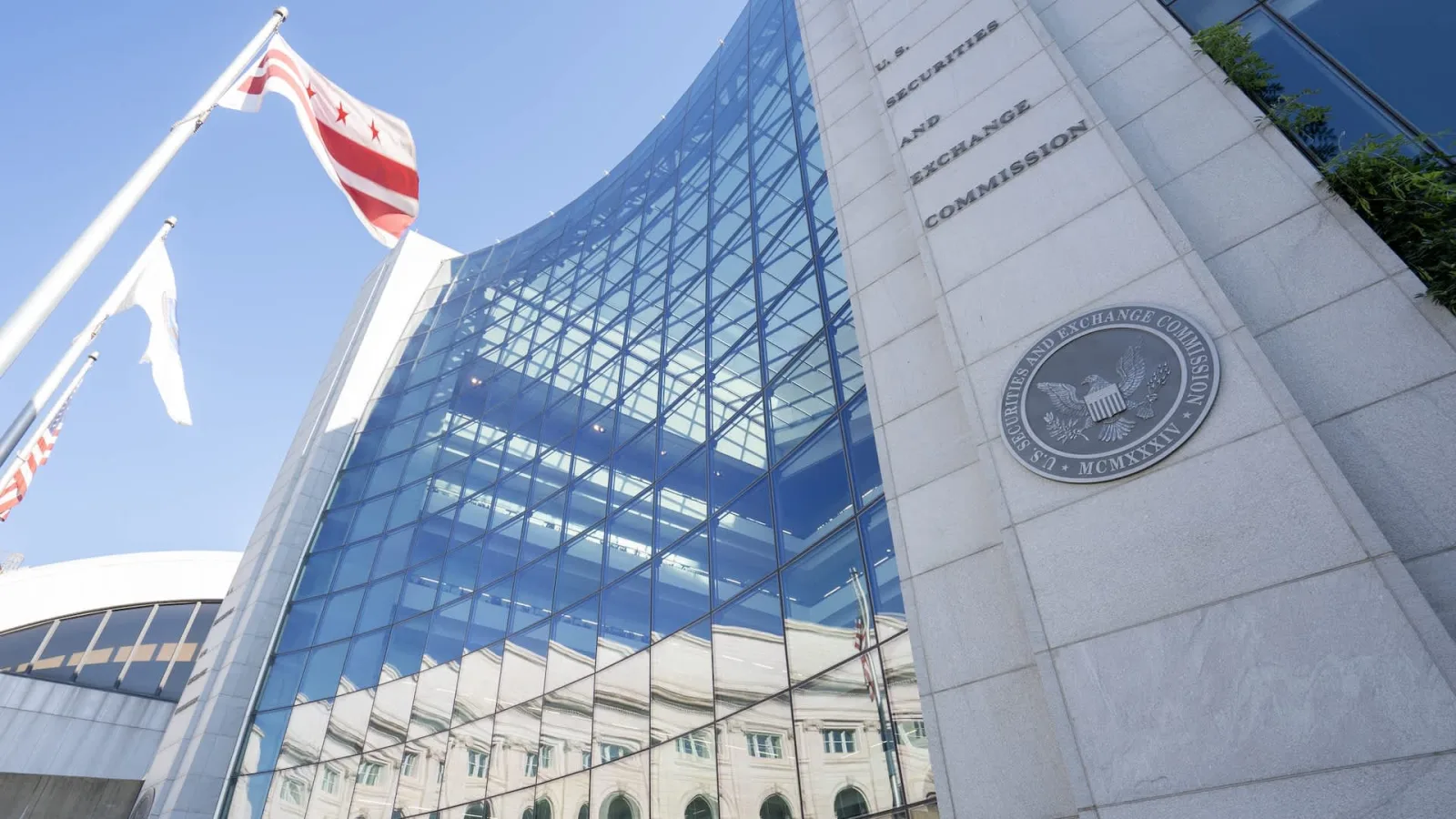
The Securities and Exchange Commission has announced plans to rescind a significant federal rule designed to increase transparency around corporate climate-related risks. The proposal targets a regulation set to take effect in 2024 that would have compelled certain public companies to disclose their greenhouse gas emissions and financial vulnerabilities linked to climate change.
This move follows a period where the rule had been temporarily suspended due to legal challenges from business coalitions and Republican state attorneys general. Now, the SEC is actively seeking to withdraw the regulation entirely, arguing that it surpasses the agency’s statutory authority and imposes costly requirements on companies and investors.

The current chair of the commission emphasized that removing the rule would prevent the government from imposing mandates on corporate behavior. Critics, however, contend that the rule was crucial for ensuring investors, employees, and retirees have access to consistent and material information about climate threats that could impact corporate profitability and financial markets.
Climate-driven events such as floods, wildfires, and extreme heat pose tangible risks to company operations and supply chains. These disruptions can affect not only corporate earnings but also ripple into retirement accounts, pensions, and broader household finances. Without standardized climate risk reporting, disclosures may become inconsistent or insufficient, hindering investors’ ability to make informed decisions and slowing the transition to sustainable business practices.
The SEC’s rollback aligns with a broader pattern of federal policy reversals related to climate regulation, a trend many warn could leave communities and stakeholders less prepared for climate impacts. Environmental groups and financial advocates quickly condemned the proposal, emphasizing that climate risks translate directly into financial risks. They highlight the importance of mandatory disclosures in protecting retirement security and fostering corporate accountability in a warming world.