

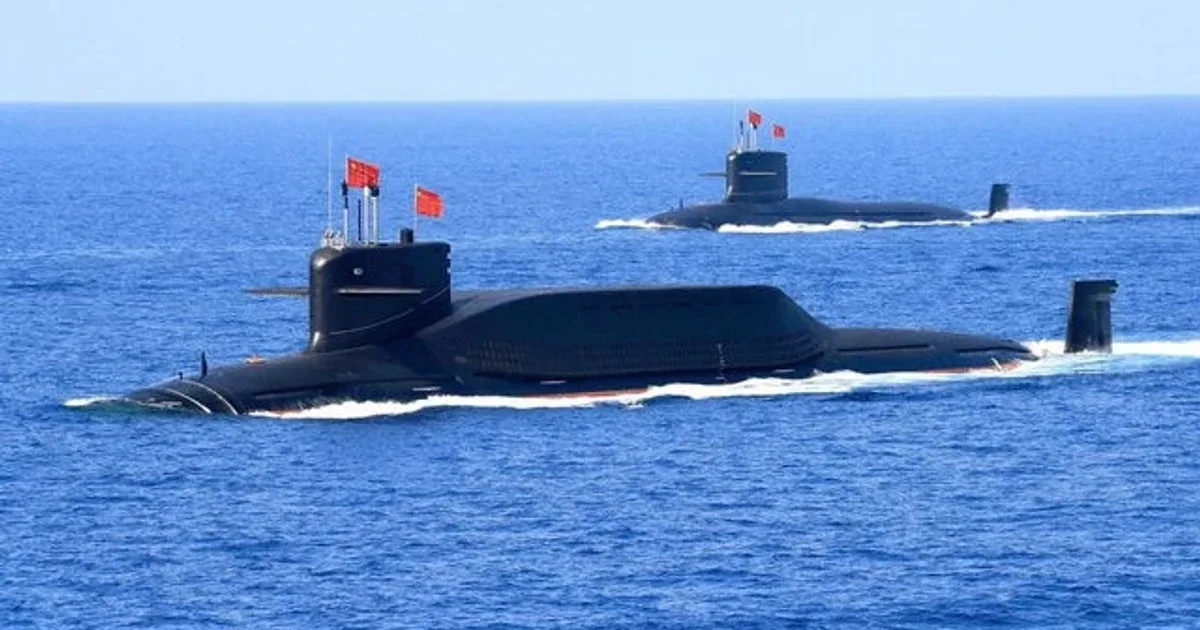
China conducted a submarine-launched ballistic missile test in the southern Pacific, providing a glimpse into its efforts to develop a resilient sea-based nuclear deterrent. The test was less about showcasing hardware and more about assessing whether China can keep its nuclear-armed submarines hidden, connected, and ready to strike under tight political control.
The test underscores the operational challenges China faces in maintaining secure command, control, and communication links for submarines at sea. Globally, navies struggle to uphold communication without revealing a vessel’s location, but this issue is compounded for China due to the Communist Party’s insistence on close oversight of the military. This tight control complicates efforts to deploy a credible at-sea nuclear strike capability, making the obstacle as much organizational as technological.

Experts and diplomats view the launch as a critical step for Chinese leaders to evaluate whether the country is moving towards a genuine second-strike nuclear posture—the ability to survive an initial attack and retaliate effectively. Such a capability strengthens deterrence by making it more difficult for adversaries to neutralize China’s nuclear forces in a first strike.
Although the missile and submarine tested may still fall short of an assured threat to the U.S. mainland, they could reach strategic U.S. territories like Guam and Hawaii, areas of considerable importance in any Pacific military scenario. The United States classified the missile as an intercontinental ballistic missile (ICBM) that landed in the southern Pacific Ocean, heightening concerns among regional defense planners as China accelerates its nuclear modernization program.
Chinese state media framed the launch as a routine training exercise, emphasizing that it complied with international law and served the purpose of safeguarding strategic security and maintaining global stability. This missile test marked China’s most significant long-range submarine-launched ballistic missile trial since the previous year, indicating both refinement of the system and clear intent to operationalize it.
For U.S. and allied military strategists, the critical question now is not whether China can build submarine-launched nuclear weapons, but whether it can successfully sustain them at sea, maintain strict control over their use, and establish their credibility in the Pacific’s deterrence landscape. The outcome of these efforts could significantly influence regional security dynamics.