

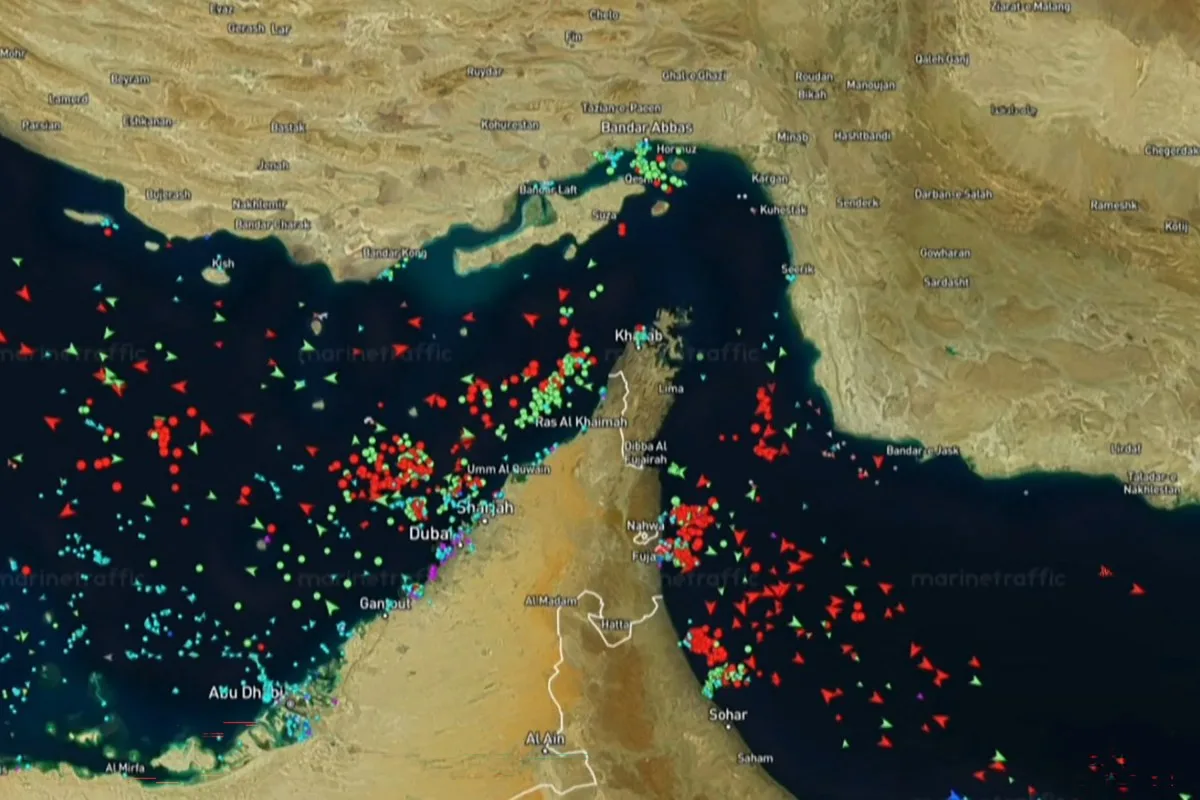
As Iran leverages its control over the Strait of Hormuz to exert pressure on global energy shipments, Gulf states along with Turkey and Western partners are pursuing new trade and energy routes through Syria to bypass the waterway. This move reflects a shifting geopolitical dynamic that could undermine Tehran’s strategic advantage over a critical oil transit corridor.
Syria’s geographic position as a land bridge between continents has elevated its role as a potential hub for alternative pipelines, rail, road, and maritime trade. This emerging importance coincides with changes in Syrian leadership and growing international support from Gulf Arab countries, Jordan, Turkey, the United States, and France—all seeking to dilute Iran’s grip on the Strait.

The interim Syrian administration, led by Ahmed al-Sharaa who replaced the Iran-backed Assad regime, has become a crucial partner in these developments. Once isolated and even targeted by a US bounty, Sharaa has gained favor with the US administration, which recently removed Syria from the state sponsors of terrorism list and lifted key sanctions. These steps aim to enable American investment in Syria’s oil, gas, electricity, and banking sectors to unlock Syria’s potential as a transit and trade hub.
French President Emmanuel Macron’s recent visit to Damascus marked another significant moment in Syria’s reintegration into the regional and global economic framework. Accompanied by a large business delegation, Macron pledged to support Syria’s reconstruction and economic revival through long-term partnerships, signaling a shift in European engagement with the country after years of isolation under the Assad regime.
This new regional alignment highlights how strategies to circumvent the Strait of Hormuz crisis are reshaping alliances and economic landscapes in the Middle East. By expanding pipeline alternatives and trade corridors through Syria, Gulf states and their partners aim to reduce the strategic leverage that Iran wields through the strait, which remains a vital artery for global oil shipments.