

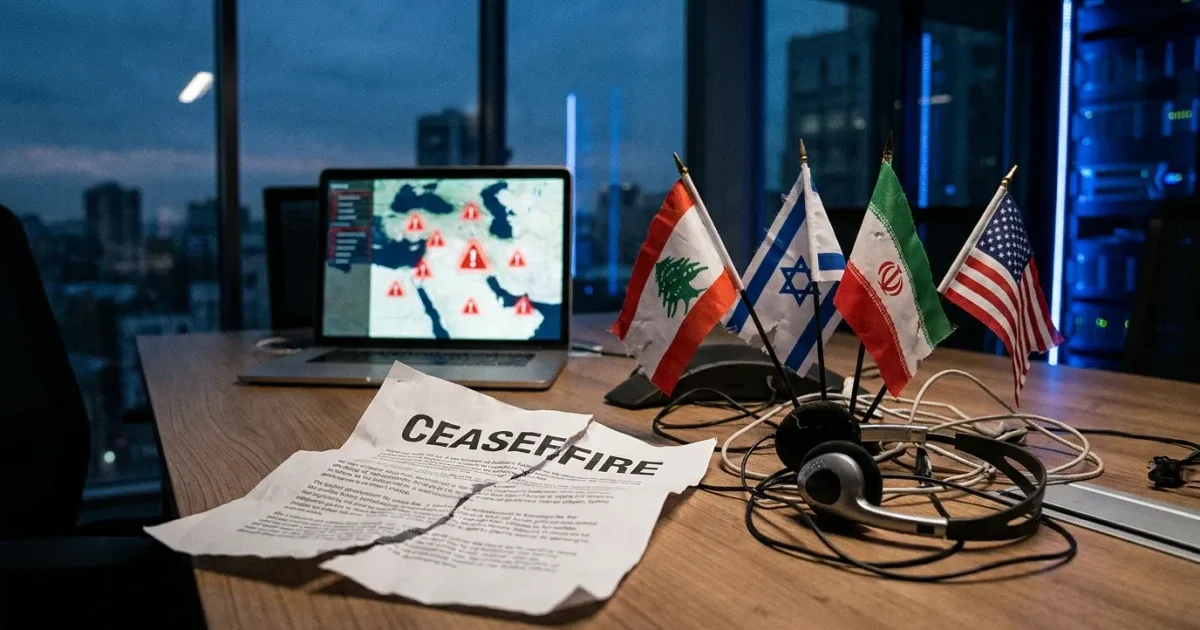
Hezbollah has firmly rejected a proposed ceasefire agreement between Lebanon and Israel, signaling a prolonged period of instability along the volatile border. This refusal heightens concerns about escalating violence in the region as Israeli airstrikes continue targeting Hezbollah positions in southern Lebanon.
The ceasefire plan, intended to ease hostilities and protect civilians near the Lebanon-Israel frontier, failed to gain support from Hezbollah’s leadership, which expressed reservations about the terms and guarantees involved. The group's rejection represents a significant setback for peace efforts, especially given its influential political and military role within Lebanon and the wider regional dynamics shaped by its ties to Iran.

At the same time, diplomatic negotiations between the United States and Iran remain stalled. Efforts to reach an understanding on Iran’s nuclear program and its influence in the Middle East have yet to yield results, with both sides showing skepticism over the prospects for meaningful progress. This diplomatic impasse complicates attempts to stabilize the region, as Iran’s backing of groups like Hezbollah remains a core issue driving mistrust and conflict.
Meanwhile, Israeli military actions targeting Hezbollah infrastructure have intensified following the collapse of the ceasefire discussions. Israeli forces aim to prevent further attacks from Hezbollah by striking suspected militant positions, increasing fears of a broader confrontation. The ongoing cycle of violence emphasizes the urgent need for new diplomatic approaches to prevent further escalation.