

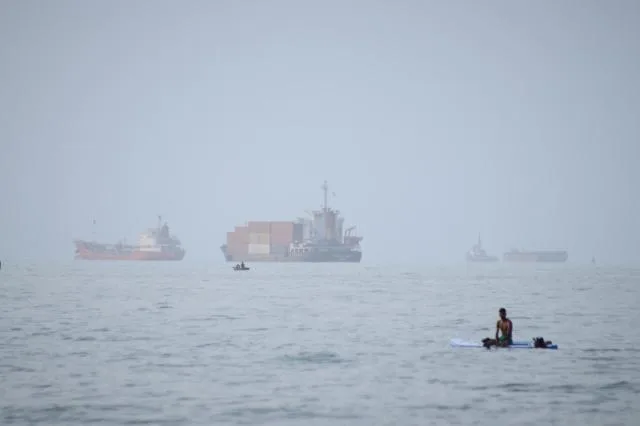
Negotiators from Iran and Oman have reportedly made significant strides toward an agreement that would reopen the Strait of Hormuz, a strategic waterway crucial for global oil shipments that has been severely disrupted amid regional conflict. Under the proposed arrangement, ships would enter the Persian Gulf through a corridor controlled by Iran and exit via an Oman-controlled route, with fees imposed to cover security and marine environmental protection.
Officials familiar with the talks emphasized that negotiations remain ongoing and that the final deal could differ from current outlines. Crucially, any agreement appears linked to the possible lifting of the U.S. blockade on Iranian ports, a measure that Tehran has long demanded as part of wider conflict de-escalation efforts.

This prospective deal, if finalized, would represent a strategic gain for Iran by officially recognizing its authority over part of the strait, a development the United States and its allies may resist. U.S. statements reflect cautious optimism but underscore continuing concerns about Tehran’s increased control. The U.S. Secretary of State confirmed progress without detailing terms but reiterated that no conclusive agreement has been reached.
Prior to recent hostilities, the Strait of Hormuz facilitated roughly one-fifth of the world's traded oil and gas, making its stability critical to global energy markets. Iranian attacks on commercial vessels stretched the waterway’s closure, triggered soaring fuel and fertilizer prices worldwide, and destabilized international supply chains. These disruptions have intensified calls for diplomatic solutions alongside military posturing in Washington.
American officials signaled mixed responses to the emerging deal. Treasury representatives expressed hope for renewed freedom of navigation soon, describing continued vessel movements despite recent tensions. Meanwhile, U.S. political leaders remain wary of concessions that might set a precedent for other contested international waterways.
The evolving Iran-Oman agreement highlights a delicate balancing act amid mounting international pressure on the Trump administration to end an unpopular and costly conflict, as domestic political considerations weigh heavily. The reopening of the strait could mark a turning point if diplomatic momentum sustains, curbing further escalation in the Middle East maritime hotspot.