

Iran’s acting defense minister emphasized that Tehran treats every threat from adversaries as a legitimate concern, rejecting suggestions that these threats are mere psychological tactics. He stressed that the country will not be caught off guard or respond passively but will instead use such threats to enhance military readiness and deter potential aggressors.
This statement came in response to US President Donald Trump’s earlier claim that he had agreed to postpone military action against Iran, referencing a supposed upcoming deal aimed at the complete reopening of the Strait of Hormuz and the cessation of Iran’s nuclear threat. Trump’s comments followed reports hinting at imminent US and Israeli strikes targeting Iranian energy facilities.

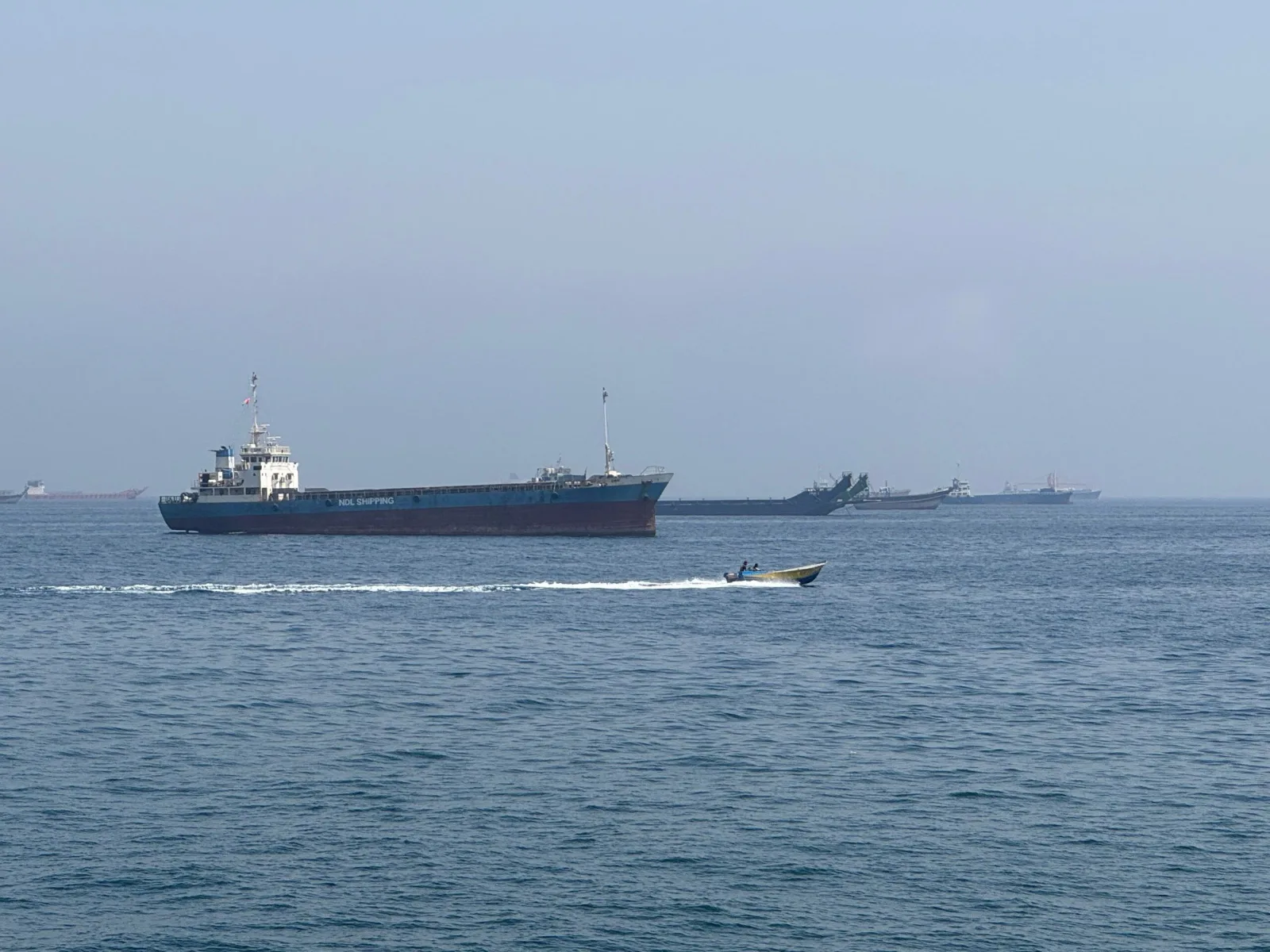
Contrary to reports from Israeli media suggesting a US-Qatari-brokered compromise had been reached, allowing maritime traffic to use routes controlled by Iran and Oman through the Gulf, Iranian sources quickly denied such an agreement. Iran’s semi-official Fars news agency cited military and negotiation team sources clarifying that the Strait of Hormuz would remain closed to vessels except those officially coordinated with the Islamic Revolutionary Guard Corps Navy. The sources pointed to continued hostile US actions as the reason for maintaining strict control over the strategic waterway, warning that unauthorized transit routes are unsafe.
The Strait of Hormuz is a critical chokepoint through which a significant portion of the world’s oil supply passes. Iran’s firm stance on regulating navigation through this passage reflects ongoing regional and international tensions surrounding security and influence in the Gulf.