

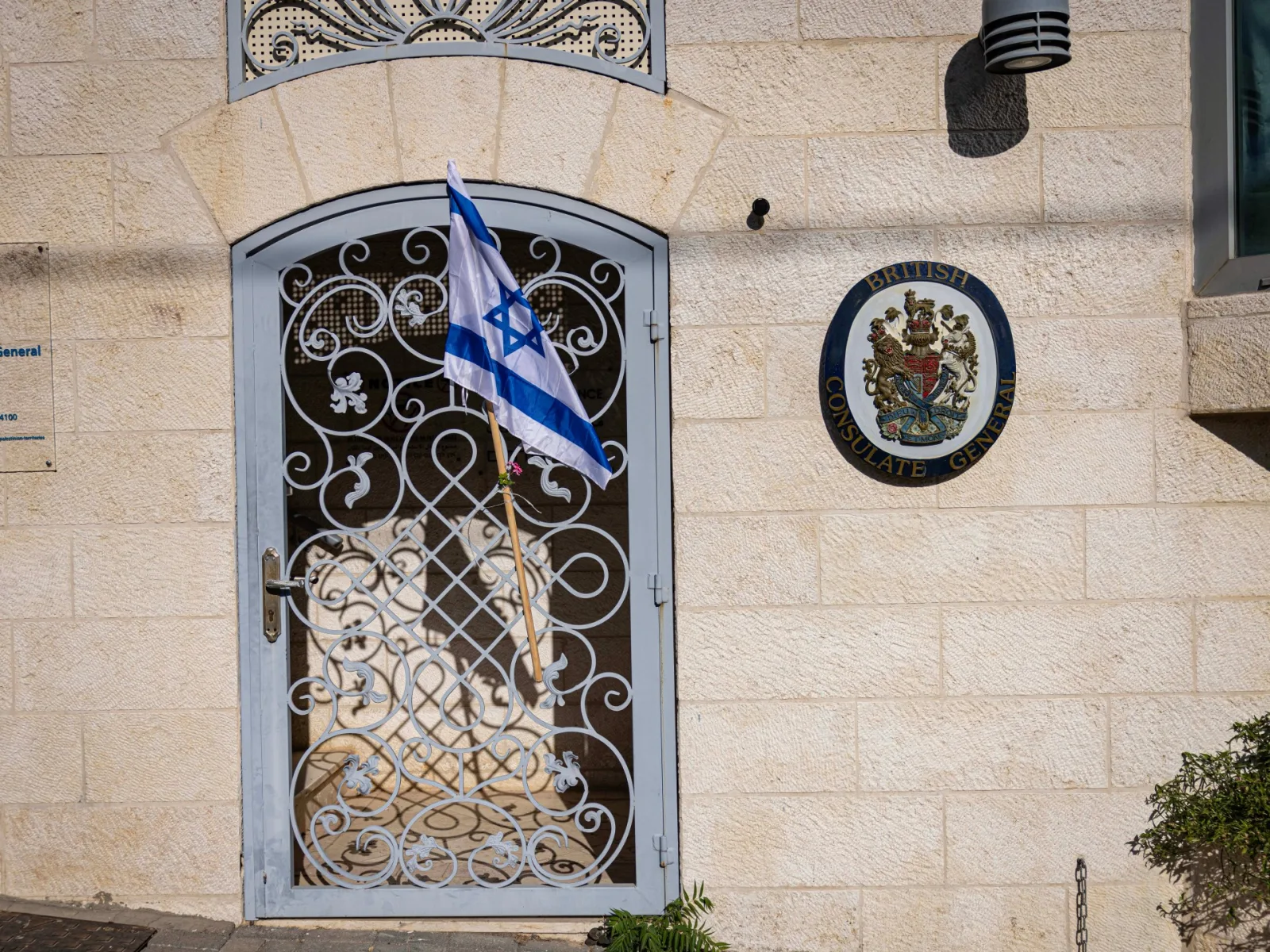
The diplomatic friction between the United Kingdom and Israel reflects a history marked by both direct conflict and political disagreements. The closure of the British Consulate General in East Jerusalem under its former name exemplifies the latest episode in this strained relationship, following Israeli orders that responded to UK sanctions against illegal settlements.
This action adds to a legacy of tensions dating back decades, rooted in episodes such as the bombing of the King David Hotel in the 1940s. That incident, executed by a Jewish paramilitary group against British administrative headquarters, signaled early antagonism during the British Mandate period.

The current dispute is part of broader diplomatic challenges, including opposing stances on settlement activities and sovereignty claims. Israel’s decision to close the British consulate’s traditional operation was a direct response to the UK’s measures targeting illegal settlement expansions, escalating tensions in a region already fraught with conflict.
These diplomatic moves highlight how historical grievances continue to influence contemporary relations. The British government has enforced sanctions in an effort to uphold international law regarding occupied territories, which Israel views as an infringement on its policies.
While the closure changes the official status of the consulate, the United Kingdom maintains some diplomatic functions in the area, though under a modified framework. This shift reflects both legal disputes over jurisdiction and symbolic disagreements over territorial claims in East Jerusalem.
The trajectory of UK-Israel relations reveals a pattern where historic violence and political decisions interweave, producing recurring diplomatic crises. Understanding this history is essential to grasp the depth of contemporary tensions and the challenges ahead for both nations.