

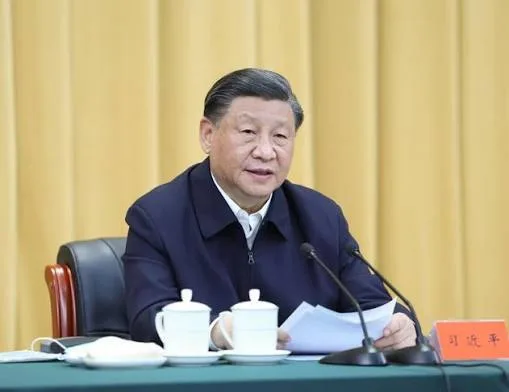
Amid growing concerns over the integration of artificial intelligence in military operations, two US lawmakers have urged President Donald Trump to obtain a firm commitment from Chinese President Xi Jinping that humans will retain direct control over nuclear launch decisions. This call reflects apprehensions about the risks of delegating such critical responsibilities to AI systems, which could escalate the dangers of unintended or accidental nuclear conflict.
The lawmakers emphasized the importance of clear protocols that guarantee human oversight in the chain of command for nuclear weapons. They argue that keeping humans in control is vital to preserve global security and prevent catastrophic errors, as automated systems lack the judgment and ethical considerations necessary in high-stakes situations. The appeal comes amid wider international debates on the role of emerging technologies in strategic weapons management.

This initiative also reflects US concerns about maintaining strategic stability as technological advances rapidly evolve. While specific details about current Chinese nuclear command and control procedures remain classified, the call highlights a proactive diplomatic effort to address the potential destabilizing effects of AI integration in nuclear arsenals worldwide.
Such assurances would align with broader nonproliferation goals and efforts to reduce the risk of accidental missile launches triggered by faulty algorithms or cyber interference. The lawmakers urge the Trump administration to engage Beijing directly, seeking transparency and cooperative measures to ensure human judgment governs all nuclear use decisions.
Experts note that the issue of AI in nuclear command is part of a global challenge as militaries balance modernization with the need for reliable safeguards. Robust safeguards and international agreements could serve to mitigate the emerging risks posed by AI-driven weapon systems in the most consequential realm of nuclear deterrence.