

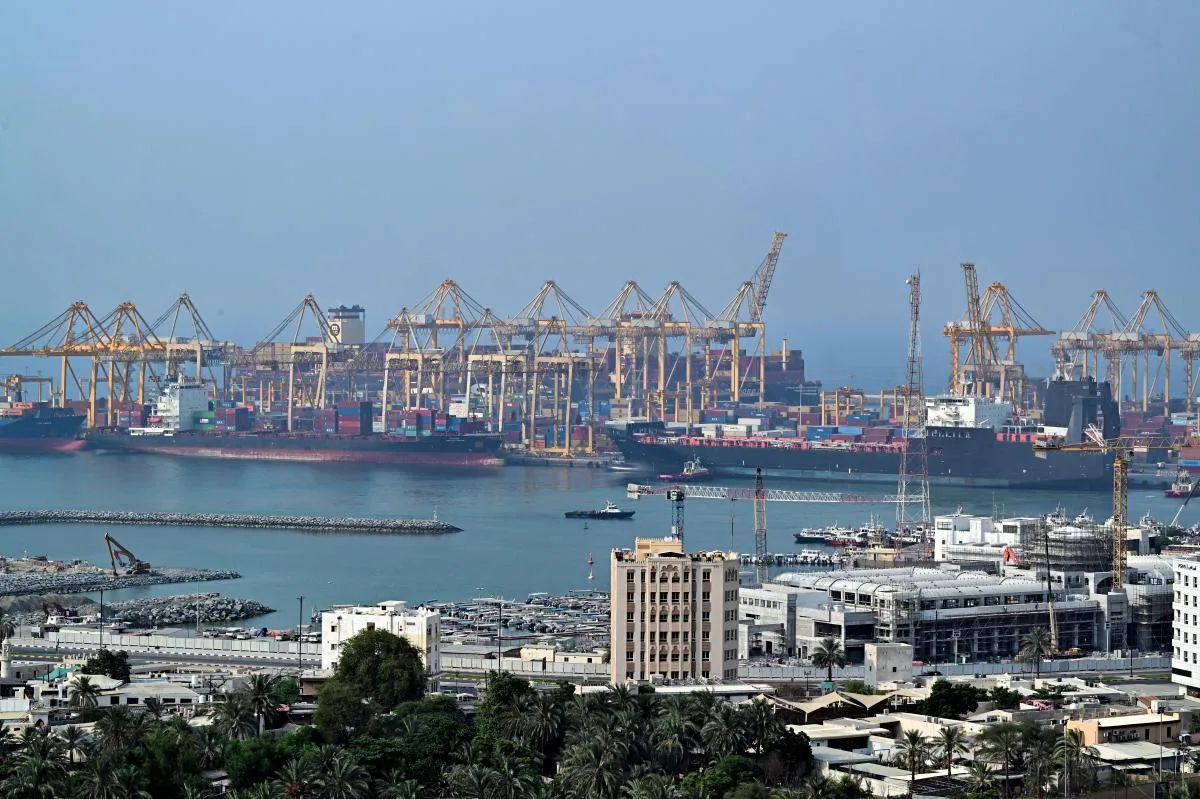
The United States announced it will reinstate a blockade on all Iranian ports, a move designed to intensify economic pressure on Tehran. This decision follows recent Iranian missile strikes on vessels transiting the Strait of Hormuz and a lack of progress in negotiations over Iran’s nuclear program.
The blockade, effective from late Tuesday afternoon Eastern Time, restricts access for Iranian ships and their trading partners, while allowing ships from other nations to continue using the strategic waterway. This strategy targets Iran’s maritime commerce directly, aiming to escalate economic hardship without interrupting broader international shipping routes.

Maritime tracking data showed steady commercial vessel movement in the Strait of Hormuz just hours before the blockade took effect, with about two dozen transits recorded in the previous day. However, Iran’s history of targeting ships during previous blockades raises concerns over potential disruptions or escalations in maritime security.
Regional officials described the renewed blockade as a calculated step to tighten restrictions on Tehran, emphasizing that economic measures may yield greater pressure than military actions alone. The US had initially lifted a similar blockade following a memorandum of understanding with Iran, but recent tensions and Iranian aggression prompted this reversal.
The Strait of Hormuz is a vital chokepoint through which a significant portion of the world’s oil shipments pass, making the enforcement of such a blockade a critical factor in regional and global energy security. By limiting Iran’s port access, the US aims to compel Tehran to reconsider its aggressive behavior and nuclear ambitions.