

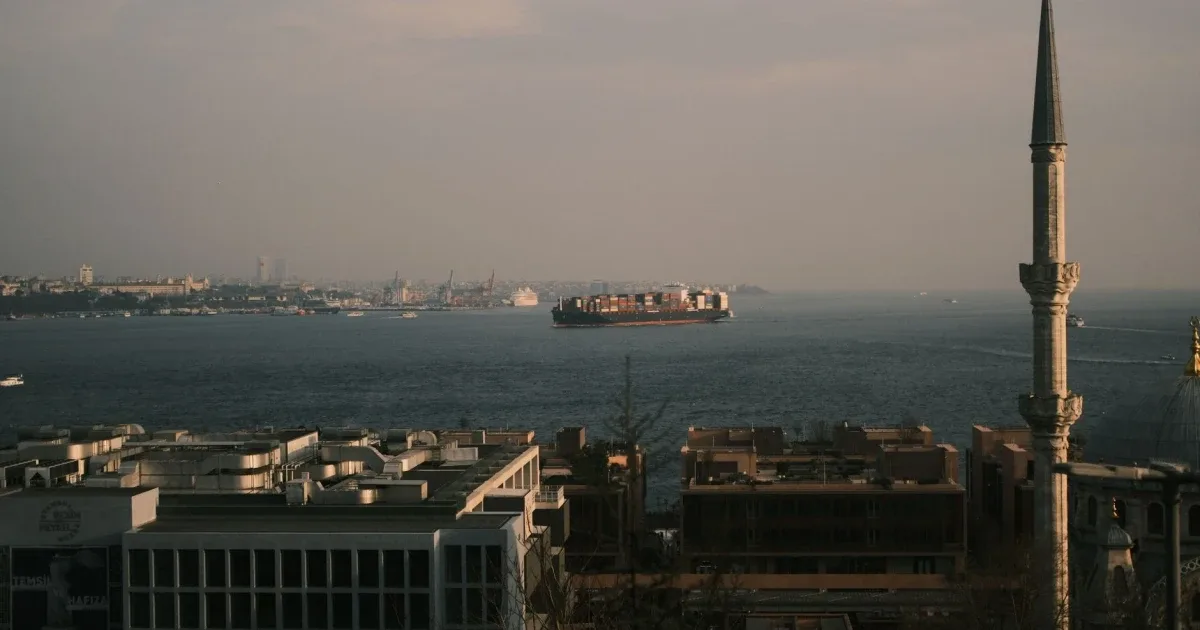
The United States plans to impose a 20% toll on all shipments traversing the Strait of Hormuz, a narrow but vital chokepoint for global energy supplies. Alongside this new tariff, US Central Command declared it will reinstate a blockade of Iranian ports and coastal waters. The blockade, set to begin on Tuesday afternoon Eastern Time, follows a temporary lifting under a previous ceasefire agreement.
The Strait of Hormuz serves as a crucial artery in the global oil supply chain, connecting producers primarily in the Middle East with major markets in Asia, Europe, and North America. A toll on cargo passing through this route would significantly raise shipping expenses, causing ripple effects on oil prices and freight costs. The reimposed blockade threatens to further complicate maritime traffic by forcing delays, rerouting vessels, and increasing insurance premiums amid heightened security risks.

This escalation follows renewed military engagements between US forces and Iran, with US Central Command initiating additional strikes against Iranian targets after a weekend marked by intensified attacks. The intersection of a renewed blockade and new tariffs places substantial pressure on one of the world’s most sensitive energy corridors, amplifying the risk of direct confrontations in the Gulf region.
Energy traders generally react swiftly to disruptions or even threats related to the Strait of Hormuz, as any interruption constrains oil supply expectations. Should tankers be compelled to slow down, reroute, or await naval protection, costs rise rapidly—from freight charges to refinery inputs—eventually impacting gasoline prices for consumers in the United States and beyond.
The operational viability of the blockade will depend on sustained US naval enforcement, cooperation from allies, and the Iranian response to the renewed restrictions. More than a mere toll collection, this measure risks escalating military confrontations, potentially targeting commercial shipping navigating Gulf waters.
For consumers and global markets, the most immediate effects will likely manifest as increased volatility in energy futures, followed by higher fuel costs linked to shipping disruptions in this narrowly confined passage. The blockade and tolls underscore the strategic volatility of the Strait of Hormuz, which remains a focal point in an intensifying US-Iran conflict.