

Scientists have introduced an innovative AI tool designed to speed up how plants capture and store carbon in the soil, offering a potential boost to natural climate solutions. By leveraging machine learning algorithms, the technology predicts genetic changes that encourage plant roots to grow deeper, increasing the plant’s capacity to sequester atmospheric carbon dioxide more efficiently.
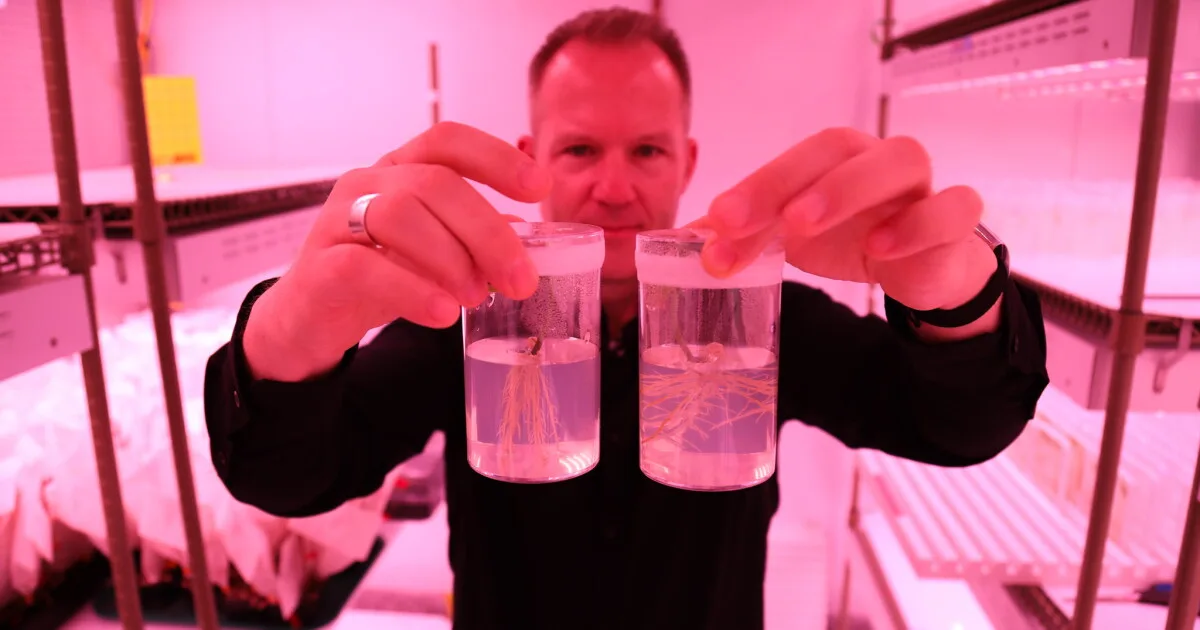
This breakthrough centers on modifying plant root architecture, particularly in soybean plants, to enhance below-ground biomass. Deeper roots not only lock away more carbon but also improve soil health and nutrient cycles. The researchers used the AI model to identify gene patterns that influence root direction and growth, enabling targeted genetic adjustments that would have taken much longer to pinpoint through traditional methods.

The development taps into plants’ existing but slow carbon-sequestration mechanisms, offering a way to accelerate these natural processes without relying on chemical interventions. By focusing on genetic traits that control root depth and branching, the tool could help scale up agricultural practices aimed at reducing greenhouse gases effectively.
This approach aligns with broader efforts to mitigate climate change through nature-based solutions, where vegetation and soils serve as carbon sinks. The AI-driven method also holds promise for crop improvement strategies, balancing environmental benefits with agricultural productivity.