

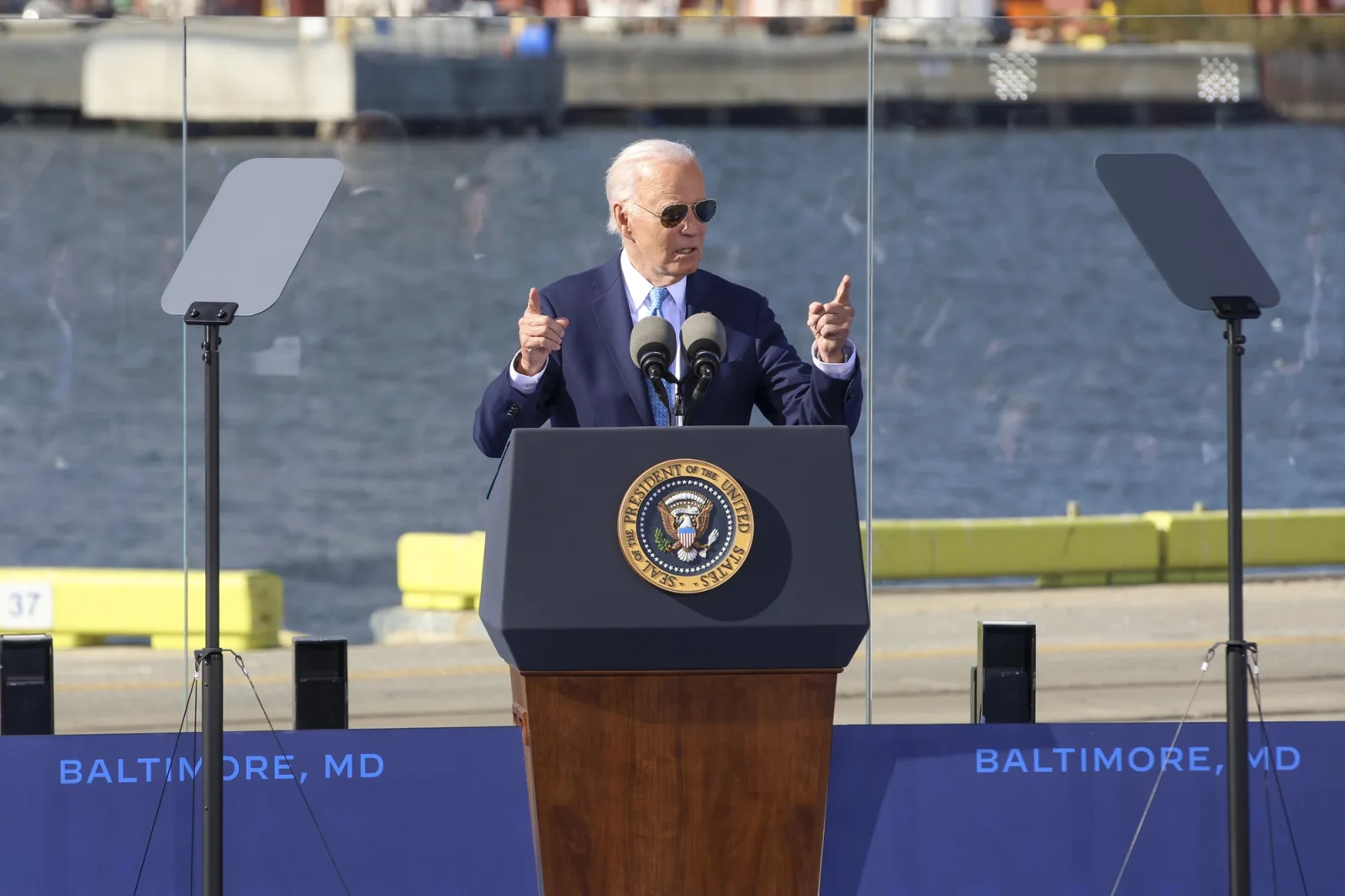
Joe Biden’s presidency marked a significant milestone for U.S. climate policy, most notably through the passage of the Inflation Reduction Act (IRA), which set ambitious goals for reducing emissions and investing in clean energy. Experts regard Biden as the most effective president on climate change to date, credited with groundbreaking legislative success that reshaped the American climate agenda.
However, this legacy faces substantial challenges. Following Biden’s term, many provisions of the IRA have been dismantled by political opposition, notably under policies pursued by former President Trump after his return to power. These reversals highlight the fragile nature of climate progress amid a polarized political landscape. The anticipated political momentum from Biden’s climate agenda did not translate into electoral success for key figures allied with the agenda in subsequent elections.

In a recent discussion, UC Santa Barbara professor Leah Stokes, a pivotal advocate behind the IRA, reflected on these dynamics in her upcoming book, The Carbon Wave: A Story of Democracy, Parenthood, and the Race to Protect Our Planet. She explores the intersection of democratic governance and environmental policy and analyzes what remains of Biden’s climate accomplishments amid rollback efforts.
Stokes also critiques the implications of recent political setbacks for climate policy in the United States. The erosion of key legislative tools has compelled advocates to rethink strategies for advancing climate action in future election cycles. A renewed approach may involve strengthening democratic engagement and addressing underlying social issues alongside environmental priorities.
Listeners interested in these insights can find Stokes’ newsletter, podcast A Matter of Degrees, and related commentary in The Atlantic, which detail both the successes and limitations of Bidenomics as it relates to climate policy. Discussions around Biden’s climate agenda continue to evolve, reflecting broader tensions between policy ambition and political feasibility in the current U.S. context.