

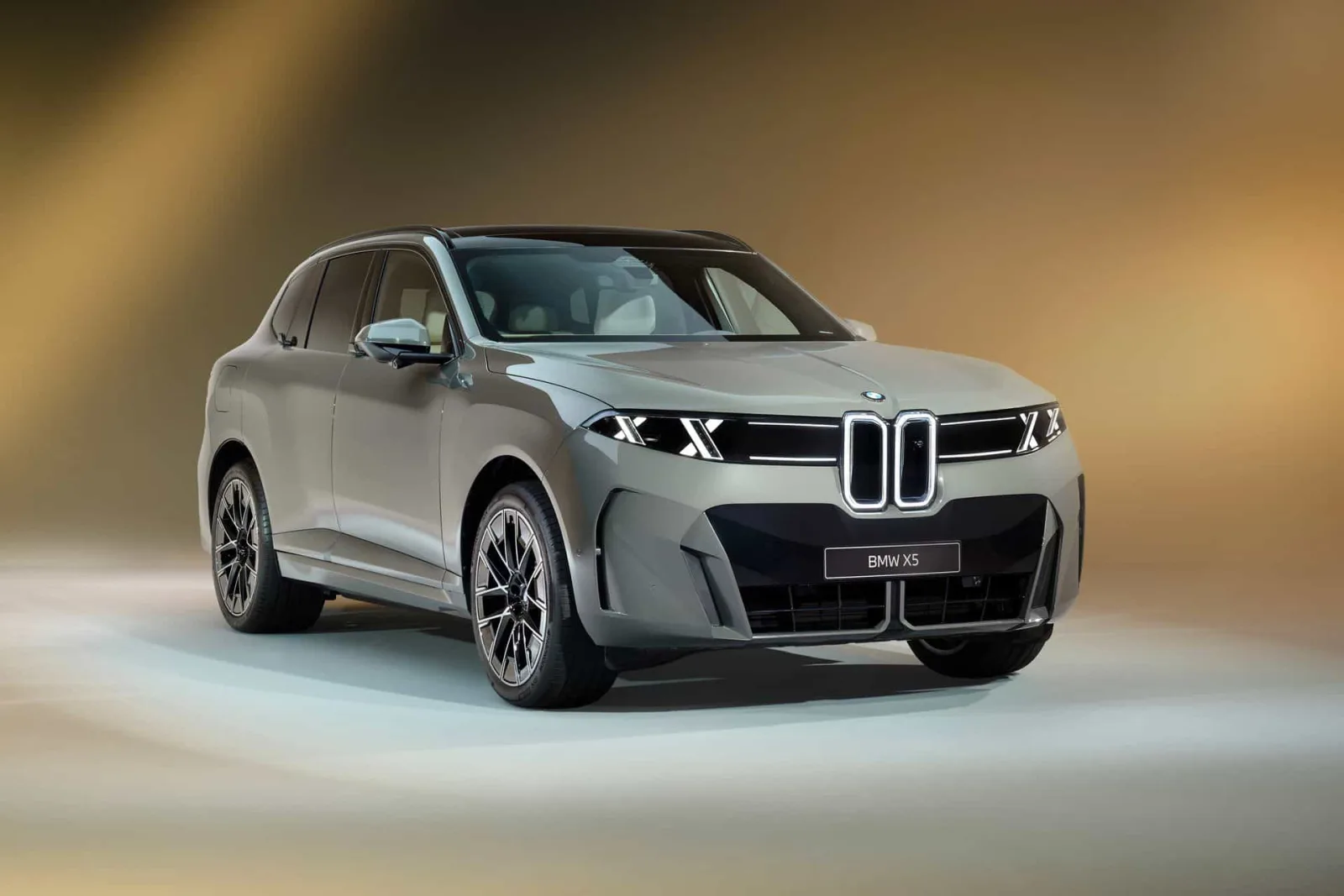
BMW expects the new iX5, its heaviest electric model to date, to break even on carbon emissions compared to its traditional X5 counterpart within a year or two under ideal driving and charging conditions. This forecast highlights the rapidly closing gap in environmental impact between electric and combustion vehicles as battery technology and renewable energy use advance.
The iX5 60 xDrive weighs approximately 2,825 kilograms, making it BMW’s heaviest non-armored vehicle so far. Its weight is largely due to a massive 141-kWh battery pack, the largest ever installed in a BMW production car. Despite its size, roughly a third of the iX5’s mass comes from secondary raw materials, reflecting BMW’s effort to reduce environmental damage from manufacturing.

BMW’s previous calculations for the smaller iX3 indicated a CO2 advantage over the conventional X3 after about 21,500 kilometers of driving, assuming the vehicle is charged with renewable electricity. For the forthcoming Neue Klasse SUV, this breakeven point could be reached even earlier at 17,500 kilometers. The iX5’s CO2 offset timeline depends heavily on the driver’s annual mileage and the source of electricity used for charging.
Beyond electric models, BMW is promoting cleaner fuels to reduce emissions from existing vehicles on the road. It supports the use of HVO100 (Hydrotreated Vegetable Oil), a diesel substitute derived from waste cooking oil and animal fats, which could cut emissions by up to 90%. Additionally, BMW collaborates with Toyota to trial Repsol’s Nexa 95 renewable gasoline in Spain as part of its strategy to decrease the carbon footprint of combustion engines.
Though the iX5’s size and weight mean it cannot completely eliminate environmental harm, BMW’s calculations suggest that its carbon emissions during use can surpass those of its conventional sibling well within a two-year timeframe. This reflects an industry-wide trend toward electric vehicles becoming more sustainable not just in theory, but in practical lifecycle emissions.