

California has rolled out an immediate rebate program aimed at residents purchasing their first electric vehicle (EV), responding to soaring gas prices and the recent end of federal tax credits for EV buyers. The MyFirstEV initiative offers substantial discounts to ease upfront costs, which have traditionally hindered wider EV adoption.
The program grants $3,500 off new EVs and $1,750 off used ones, applied directly at purchase or lease. To qualify, buyers must attest that this is their first EV. New EVs must have a manufacturer’s suggested retail price (MSRP) below $50,000, while used vehicles must not exceed $25,000 and must be sold through a manufacturer-backed pre-owned program. An exception is made for vehicles made by California-based manufacturers, which are exempt from the price caps.

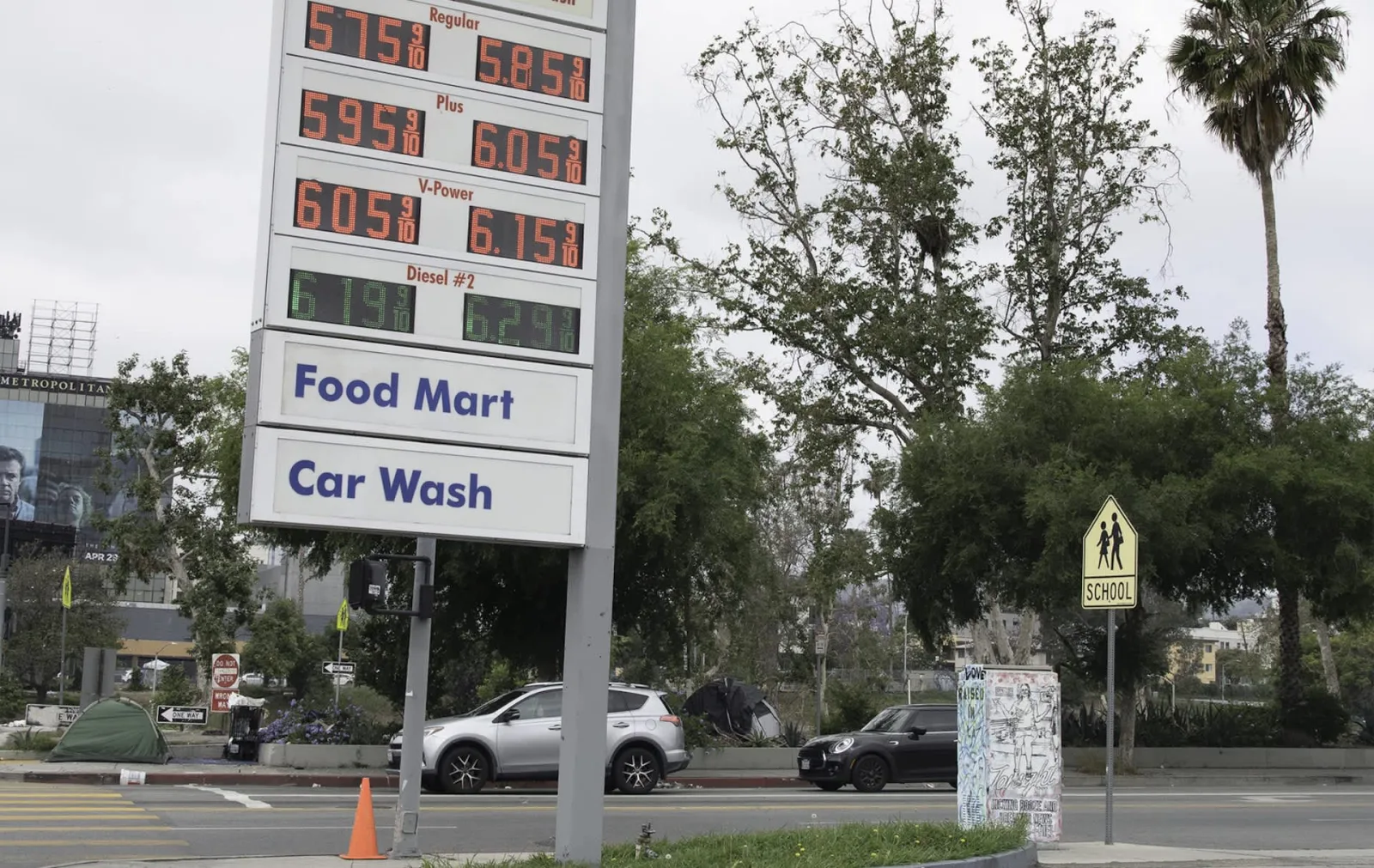
This state effort follows the expiration of the $7,500 federal EV credit last September under the previous administration, which briefly slowed EV sales. However, the surge in gas prices—reaching an average of $5.77 per gallon—has reignited consumer interest. Between April and June, Californians purchased nearly 87,000 new zero-emission vehicles, accounting for 19.1% of new car sales, a notable increase from earlier in the year.
Experts emphasize that while total ownership costs favor EVs, the upfront price remains a significant barrier for many buyers, especially households with moderate incomes. Since the rebate is instantaneous rather than a later tax credit, it directly reduces the purchase price, potentially broadening EV accessibility.
Despite growing demand, supply constraints pose a significant challenge. Analysts note that automakers have scaled back their commitments to expanding EV offerings in the absence of strict federal regulations mandating electric vehicle quotas. The trend reflects shifts in federal policy that have lessened automakers’ incentives to aggressively broaden their EV lineups.
The MyFirstEV program receives financial backing totaling $135 million from state funds allocated by Senate Bill 168, supplemented by commitments from thirteen major automakers, including Tesla, Toyota, Ford, General Motors, Honda, Hyundai, Kia, Lucid, Mitsubishi, Nissan, Rivian, Subaru, and Volvo. This public-private partnership aims to make EVs more affordable and accelerate uptake during a pivotal market transition.
While consumer preferences may not have radically changed overnight, improvements in EV affordability and performance, alongside urgent economic pressures from fuel costs, have translated into increased sales, experts say. The program’s focus on upfront price reduction targets one of the most persistent obstacles to wider EV adoption in California’s competitive automobile market.