

China’s recent drop in crude oil imports and refinery throughput points to a significant slowdown in the country’s oil demand, challenging the notion that geopolitical risks alone will drive the next sustained rally in global oil prices. While tensions in the Middle East continue to pose a supply risk, China’s buying behavior now emerges as a critical factor shaping market dynamics.
Data reveals that Chinese crude imports sharply declined, reaching the lowest monthly volume since 2016, with refinery output similarly retreating to levels unseen since mid-2022. This reduction reflects cautious refinery operations rather than a shortage of crude supply. Notably, China tapped heavily into onshore oil inventories instead of boosting fresh imports, indicating a strategic drawdown of stored barrels rather than active market-driven demand.

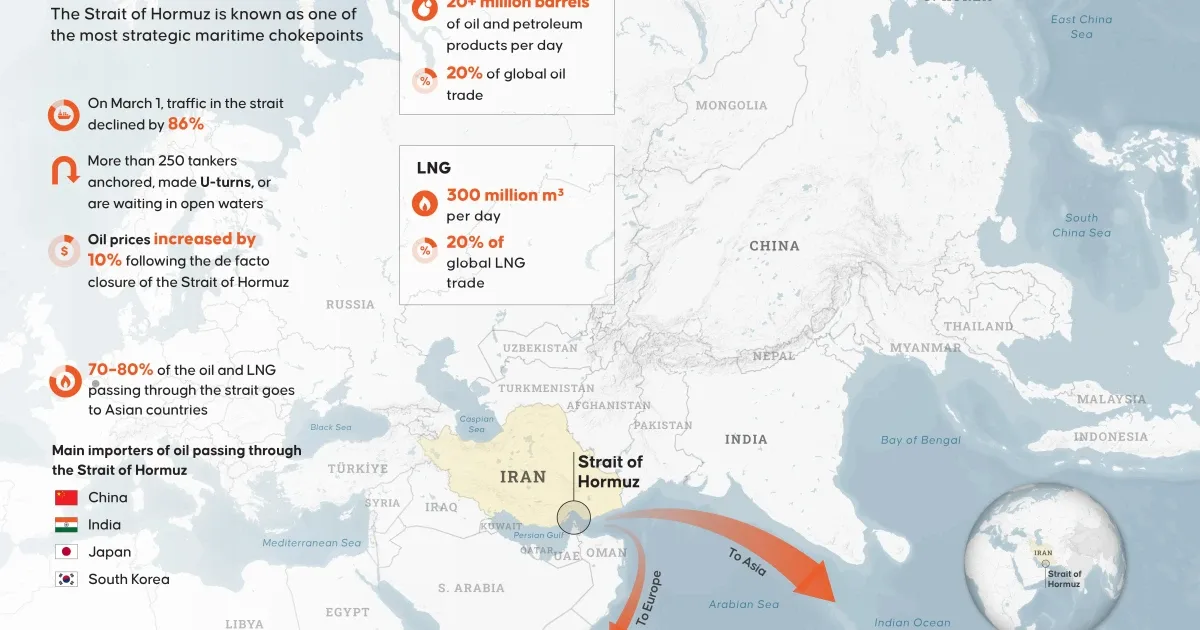
Although the Middle East remains a major crude supplier to China, the region’s influence on global oil prices is now tied more closely to Beijing’s restocking decisions than immediate import replacement. Short-lived price spikes fueled by supply concerns may therefore struggle to gain traction without a corresponding Chinese buying surge.
Longer-term demand trends account for evolving energy consumption patterns within China. Forecasts highlight that growth in oil use will increasingly come from petrochemical industries rather than traditional transport fuels. In particular, expanding electric vehicle adoption is projected to reduce gasoline demand significantly, signaling a shift from road fuel dependence toward chemical feedstocks. This transition challenges the historical model where transport fuel demand primarily drove oil consumption.
In summary, while geopolitical risks remain present, it is the subdued Chinese demand—especially the interplay between inventory management and changing fuel consumption—that may ultimately determine the resilience and trajectory of global oil prices in the near future.