

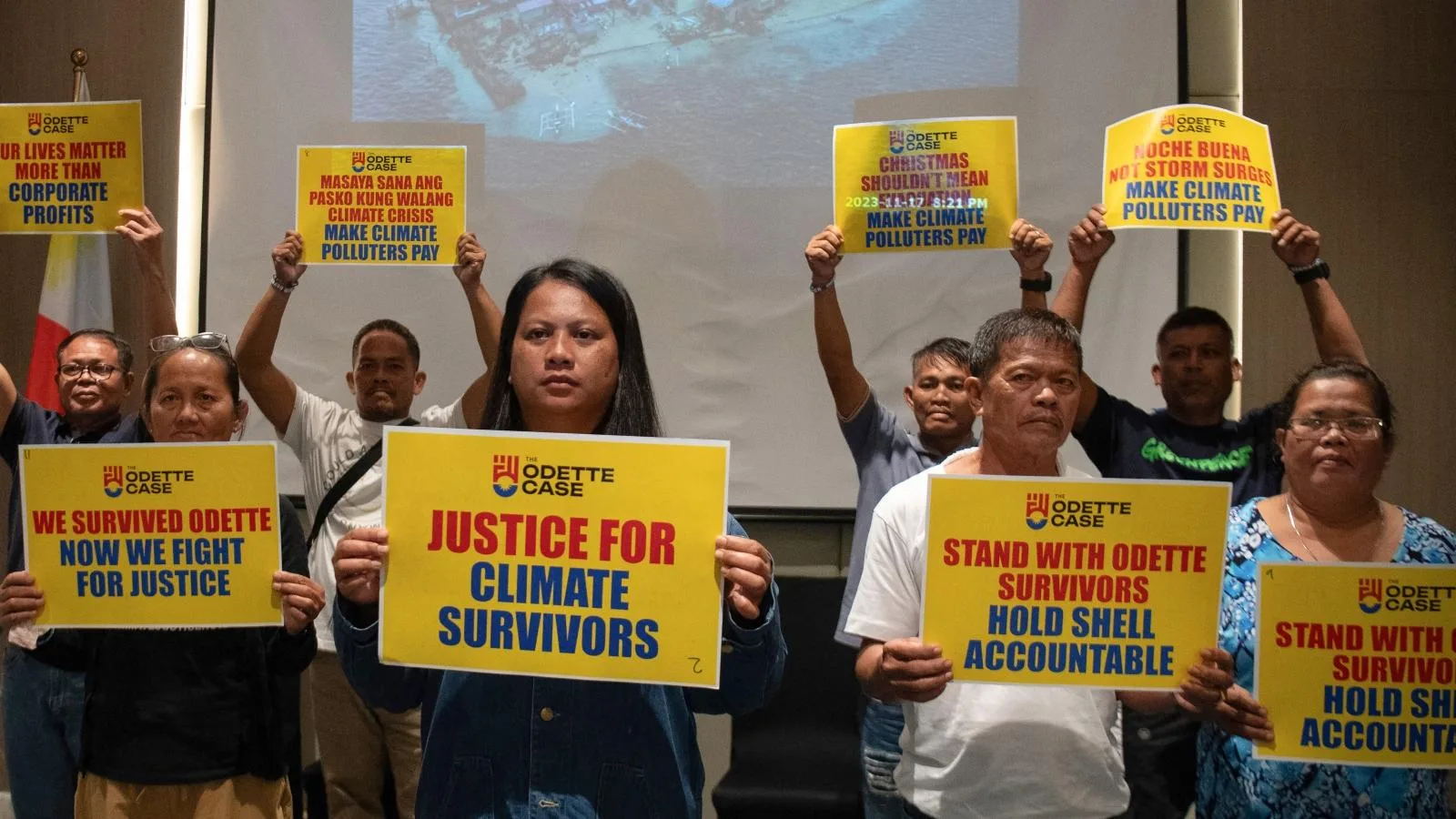
When Super Typhoon Rai struck the Philippines in late 2021, it devastated entire communities, leaving millions displaced and hundreds dead. Among those affected was Trixy Elle, who lost her home along with her family. Their survival was marked by desperate conditions and slow government relief. This harrowing experience sparked a pursuit of climate justice that has now led to a landmark legal challenge.
In a lawsuit filed at the Royal Courts of Justice, 67 survivors of the typhoon accuse Shell of contributing significantly to climate change, which amplified the severity of such storms. The plaintiffs argue that Shell has been aware of its environmental impact since the 1960s yet continued practices that endangered vulnerable populations. This case is notable as one of the first to directly link a major fossil fuel corporation to climate-related deaths and injuries in the Global South.

Scientific consensus affirms that climate change increases the frequency and intensity of storms like Rai, worsening the impact on exposed communities. Despite this, climate litigation in Asia remains scarce compared to other regions. The Global South, which includes many areas most affected by climate crises, represents less than 10% of the world’s climate lawsuits. The United States and Europe dominate the legal landscape, with Asia and Africa trailing significantly in filing climate-related cases.
The survivors’ legal action underscores growing global efforts to hold emitters accountable for damages caused by their contributions to climate change. Their struggle highlights the disproportionate suffering of communities that produce minimal emissions yet face severe consequences.