

Connecticut is advancing plans to expand its nuclear power capacity despite growing concerns about environmental sustainability and resource dependency. The state's strategy aims to boost clean energy production, yet it encounters challenges linked to extreme climate impacts including dwindling water availability required for cooling reactors.
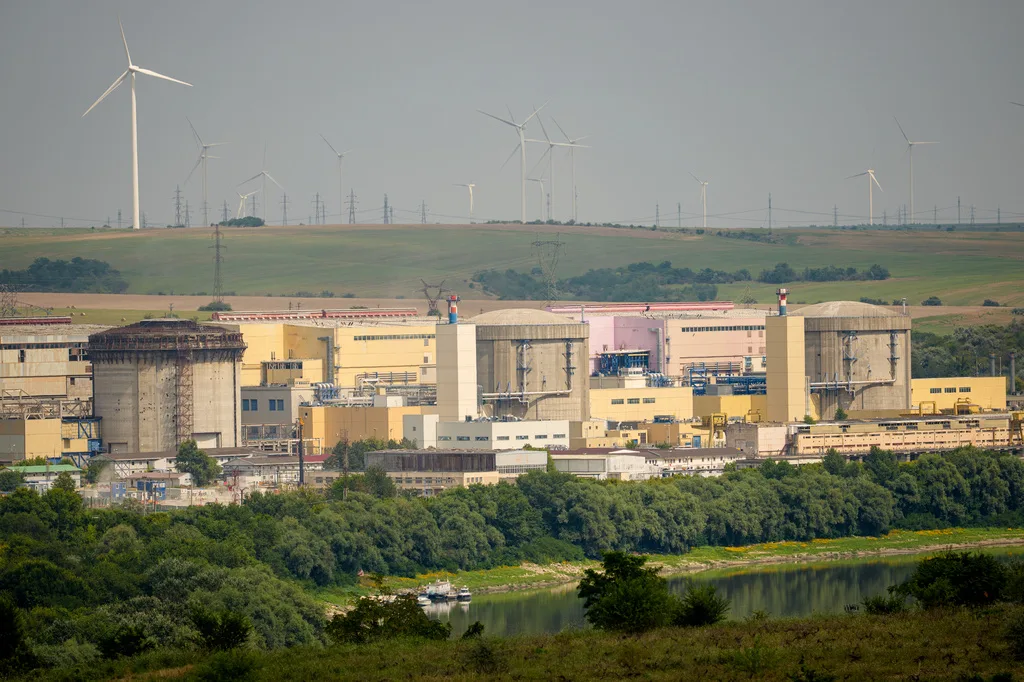
The recent shutdown of a reactor at Romania’s Cernavoda Nuclear Power Plant, triggered by critically low water levels in the Danube River, illustrates the vulnerability of nuclear facilities to changing hydrological conditions. This incident highlights the risks associated with nuclear power plants relying heavily on ample water supply, a concern applicable to Connecticut’s initiative as climate trends bring more frequent droughts.

Experts point out that while nuclear energy provides low-carbon electricity, its operational demands present significant environmental and logistical hurdles. Maintaining reactor temperatures depends on large volumes of river water, which are becoming increasingly scarce in many regions due to climate change.
In Connecticut, policymakers face the task of balancing commitments to decarbonization with practical constraints of resource availability. This includes evaluating whether nuclear power remains the most viable option compared to alternatives like renewables that exert less pressure on water resources.
The debate also extends to the economic and safety implications of expanding nuclear infrastructure. Critics argue that investments could divert funds from advancing solar and wind technologies, which have demonstrated faster scalability and fewer environmental risks. Supporters, however, emphasize nuclear’s capacity for consistent baseload power without greenhouse gas emissions.
As Connecticut pursues these plans, state officials are urged to conduct thorough environmental assessments and incorporate adaptive strategies to ensure reactor operations remain sustainable amid a changing climate. These measures might include enhanced cooling technologies or diversification of energy portfolios to mitigate water dependency.