

Europe’s reliance on methane for power generation is diminishing rapidly as renewable energy sources like wind and solar expand their presence in the electricity grid. This change has accelerated since the disruption of Russian methane supplies following the 2022 invasion of Ukraine, forcing Europe to seek alternative energy sources. Renewables have surged to produce more electricity than methane-fired plants, marking a pivotal moment in the region’s energy transition.
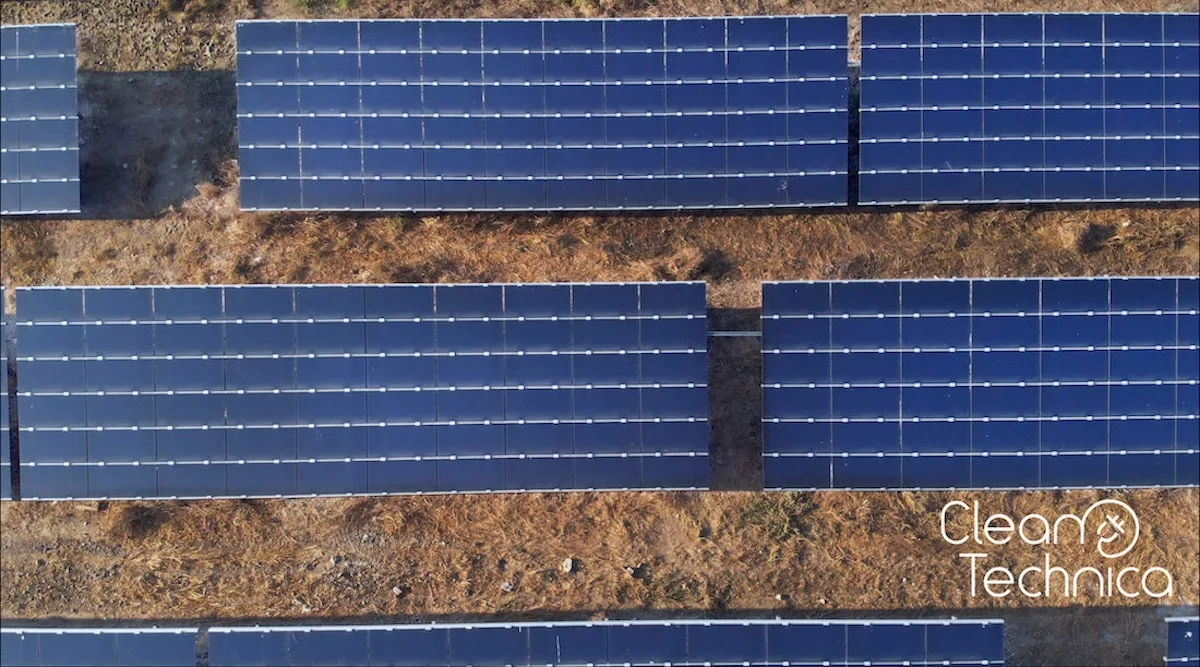
Installed wind and solar capacity in Europe has skyrocketed from under 20 gigawatts to nearly 750 gigawatts over the past 25 years, now nearly double the methane-fired generating capacity of around 400 gigawatts. This growth contrasts with methane capacity, which increased modestly from 250 gigawatts during the same period. Renewables now frequently surpass methane generation, particularly from spring to autumn, truncating the traditional high-demand winter season for gas-fired electricity.

This shift is more than seasonal or weather-driven. It reflects a structural transformation in Europe’s power generation fleet. The rise in renewable capacity means fossil fuel generation, including methane, is decreasing as a factual outcome, not solely by policy design. Utilities have reduced methane and coal usage to multi-year lows as solar and wind achieve record output, reshaping demand patterns and potentially reducing the need for large gas storage reserves once deemed essential for winter supply security.
The change challenges previous expectations about methane’s role in Europe's energy future. Concerns over gas shortages and high LNG imports are fading as the power sector adapts to growing renewable capacity. This realignment also impacts market dynamics and infrastructure, signaling a long-term decline in methane demand that could influence energy security strategies and investment decisions.
Europe’s experience illustrates how rapidly expanding renewables can cause a fundamental shift in established energy markets. Methane, once the continent’s power backbone, faces diminished demand amid the clean energy transition, reshaping the future of the European grid.