

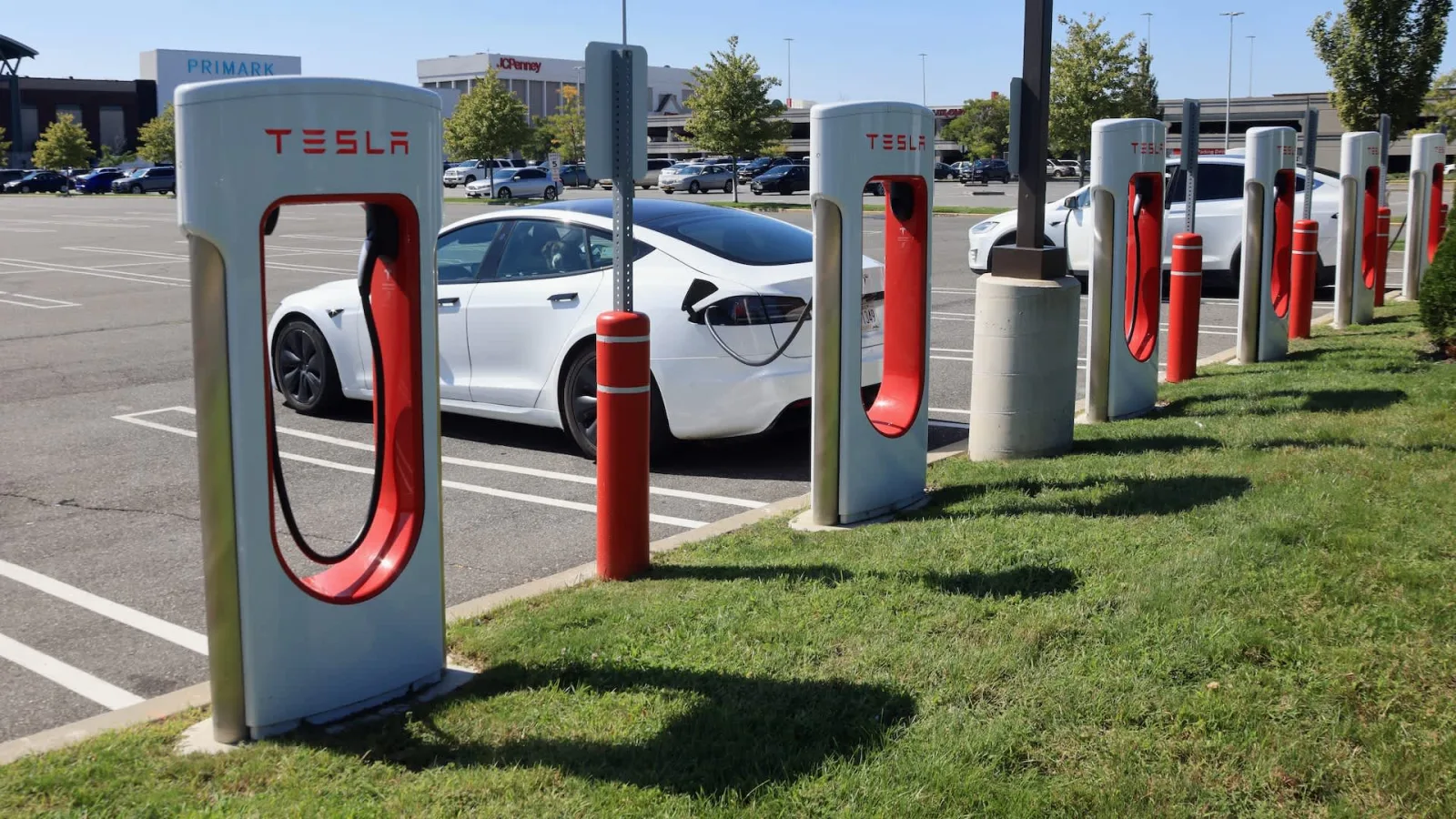
Despite promotional discounts, a recent Memorial Day offer at an EVgo fast charging station still resulted in significantly higher costs compared to a nearby Tesla Supercharger, underscoring persistent discrepancies in electric vehicle charging prices. The driver reported paying more than 68 cents per kilowatt-hour, nearly double the 37 cents per kilowatt-hour charged at the Tesla station down the street.
The detailed billing shared by the driver included an energy fee, transaction fee, and taxes, adding up to over $19 to charge roughly 28 kilowatt-hours. This stark difference stood out especially given that residential electricity rates in the area hovered around 15 cents per kilowatt-hour, underscoring how public fast charging can be considerably more expensive than home charging.

The wide variation in EV charging rates reflects the complex pricing structures influenced by property owners and network operators, with some stations even offering free charging to attract drivers. This inconsistency raises calls for clearer, standardized price displays similar to gas stations, where transparent pricing is mandated by law. Many drivers argue that mandatory visible pricing would help consumers make informed decisions and reduce confusion.
Although higher prices remain a concern, some users still prefer networks like EVgo for their faster charging speeds, longer cables, and more convenient station locations, which can justify the premium for certain trips. Others in the discussion suggested practical strategies to reduce charging costs, such as planning routes around cheaper networks, taking advantage of promotional deals by different providers, or purchasing memberships that lower charging rates during road trips.
While the cost variability challenges broader EV adoption by creating confusion and perceptions of inaccessibility, the transition to electric vehicles continues to offer savings overall. Drivers benefit from lower fuel expenses compared to gasoline vehicles and reduced maintenance needs, making home charging with residential power the most cost-effective and convenient option for many.