

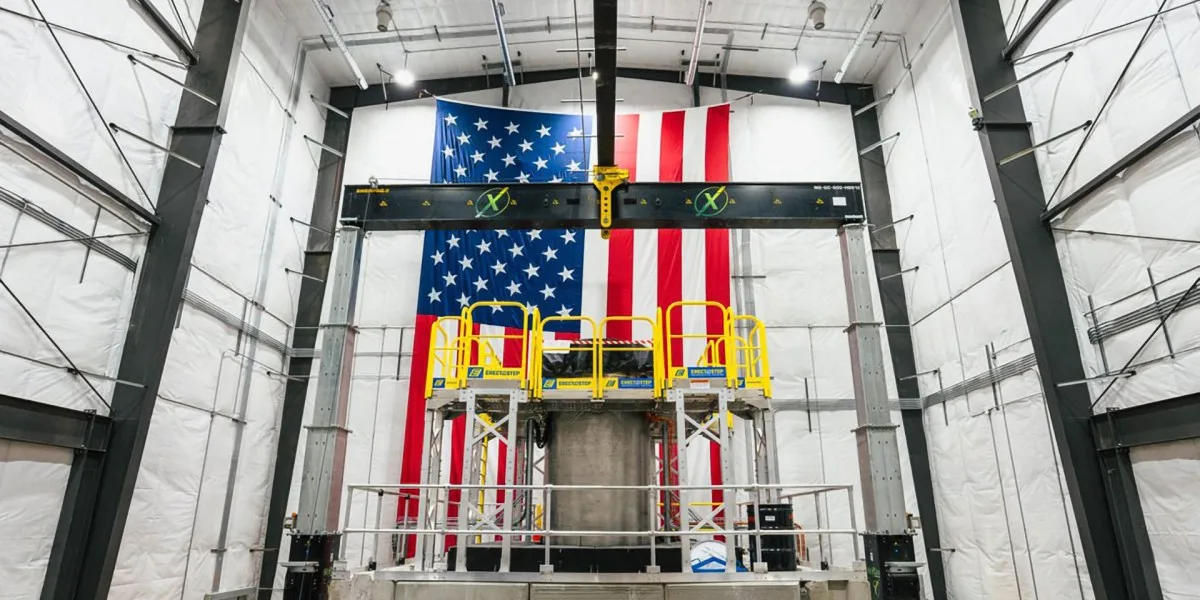
On the US’s 250th Independence Day, four microreactors reached criticality, a key milestone signaling their ability to sustain a nuclear chain reaction. This achievement surpasses the previous goal set by the Trump administration for three reactors and marks a notable step forward in next-generation nuclear technologies.
While reaching criticality demonstrates a reactor’s operational readiness to maintain reactions, it does not yet confirm they are supplying electricity to the grid. This phase is critical in proving technical viability, but additional steps remain before full commercial deployment.

The successful criticality of these microreactors is significant as the nation seeks reliable, low-emission power sources to meet growing electricity demands and climate targets. Microreactors are smaller and more flexible than traditional nuclear plants, offering potential advantages for diverse energy needs.
Each of the four companies behind these reactors is likely to continue refining their designs and pushing toward grid connection and commercialization. Their progress could influence the broader adoption of nuclear microreactors as part of the US energy mix.
The trend comes amid a global push for emissions-free energy, where nuclear power’s role remains contentious but increasingly recognized for its stable output and carbon-neutral operation.