

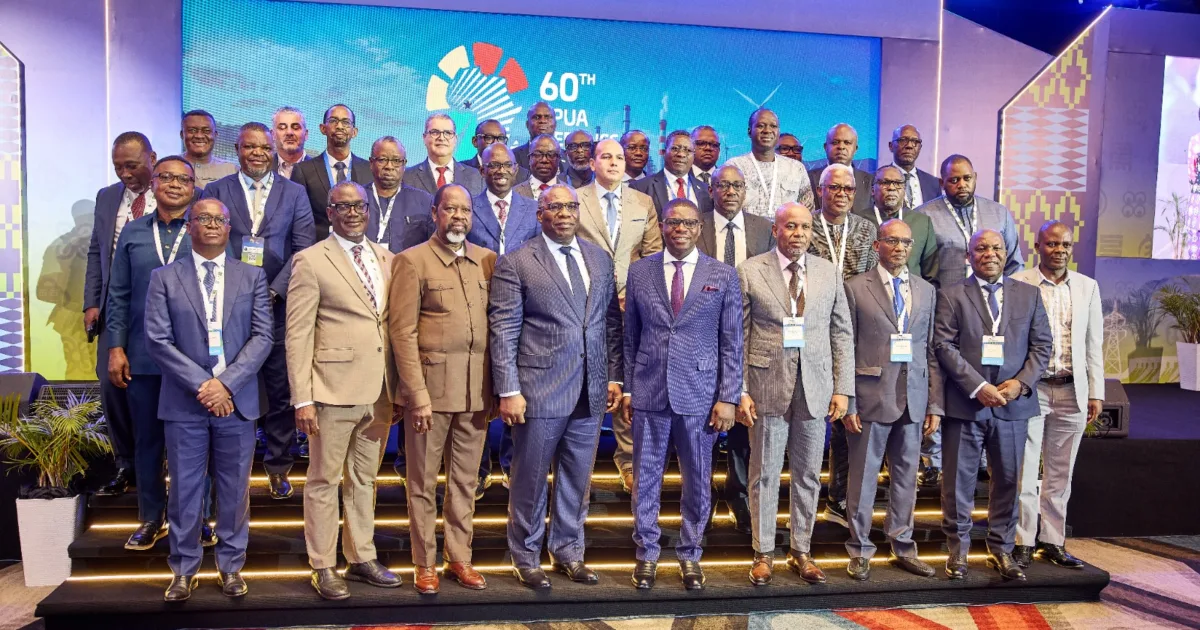
Ghana’s Deputy Minister of Energy and Green Transition, Richard Gyan-Mensah, has endorsed initiatives urging Ghana and other African nations to invest in nuclear energy as a strategic move toward clean and reliable power. Speaking at the 60th Annual General Meeting of the Association of Power Utilities of Africa (APUA) in Accra, he highlighted nuclear energy’s potential to enhance electricity supply sustainability and reduce environmental impact.
The event, hosted by Ghana’s Volta River Authority in collaboration with major public utilities, gathered power sector leaders and experts from across the continent and the world. The meeting’s theme focused on accelerating Africa’s electricity market integration through enhanced regulation, regional cooperation, and strategic partnerships.

Gyan-Mensah echoed the Volta River Authority CEO’s call for nuclear energy ventures, noting that this source could deliver high reliability, improved energy density, and cleaner air. He underscored the need for strong financial frameworks, technical expertise, and teamwork among stakeholders to guarantee energy sector stability and growth across Africa.
Focusing on Ghana’s progress, the Deputy Minister outlined significant recent achievements under the current administration: settling over US$1.4 billion in legacy energy sector debts, restoring a US$500 million World Bank guarantee for the Sankofa gas project, and enhancing cash flow management to prevent power supply disruptions. These efforts have contributed to improved electricity reliability for both industrial and residential consumers.
He also shared that Ghana’s installed power generation capacity exceeds 5,000 megawatts, with dependable capacity just above 4,700 megawatts. Solar power generation has grown steadily, and he urged local utilities, including the Electricity Company of Ghana and the Northern Electricity Distribution Company, to intensify efforts to expand access and strengthen grid stability.
Highlighting the role of technology, Gyan-Mensah emphasized digitalisation and innovative solutions as key drivers to reduce costs, increase reliability, and ensure sustainable power systems. He stressed Ghana’s commitment to exchanging technical knowledge and financial models with other African countries to foster collective energy sector development.