

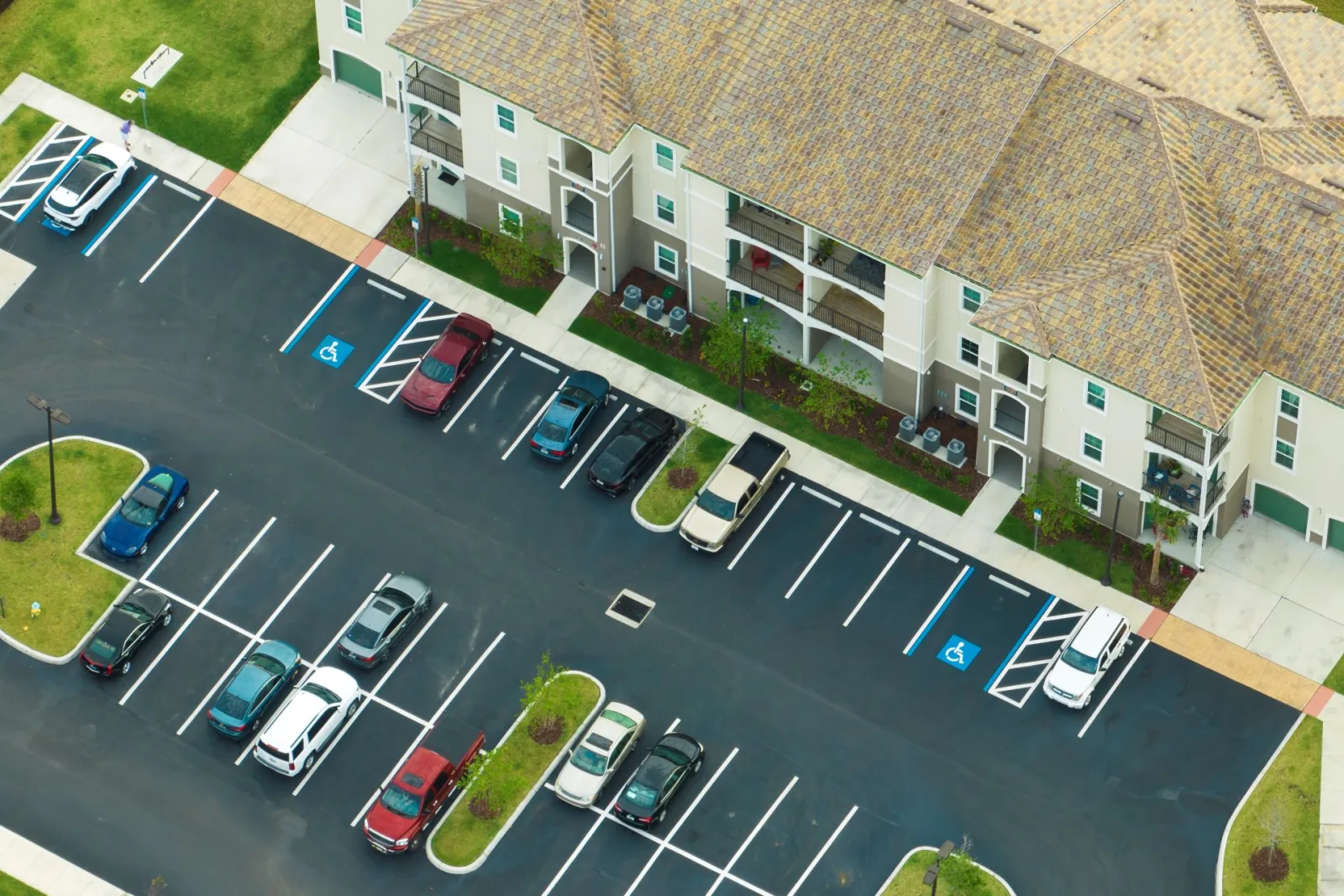
Apartment renters interested in electric vehicles (EVs) face a major hurdle: charging their cars without the option to install private stations. Many buildings prohibit personal charging setups, forcing residents to find alternative solutions. This challenge sparked a Reddit discussion where renters and EV owners exchanged practical advice on managing EV charging under such restrictions.
Several respondents noted that relying on public fast chargers is possible but often costly. While DC fast chargers provide quick refills, they typically charge rates much higher than home electricity costs, narrowing the savings one expects from switching to an EV. For those with longer parking times, using slow charging through a standard 120-volt outlet can add modest daily mileage ranging from 20 to 50 miles, depending on the outlet’s amperage and the vehicle’s efficiency.

The feasibility of living with an EV as a renter largely depends on individual commuting needs and parking arrangements. For drivers with shorter daily routes who can park overnight and access a basic outlet, slow charging might suffice, maintaining the financial benefits of EV ownership. Conversely, those with longer commutes or no access to outlets might find public charging inconvenient and expensive.
Not all electrified vehicles suit renters equally. Plug-in hybrids, for example, require more frequent charging due to smaller battery capacities, making them less practical without regular charger access. Standard hybrids, which do not rely solely on plug-in charging, may offer a more dependable cost-saving alternative in these cases.
Before purchasing an EV, renters are advised to assess their driving habits critically. Knowing the exact daily mileage and parking duration can determine whether basic Level 1 charging can meet their needs or if reliance on public chargers would become tedious. It also helps to inquire with landlords or property managers about any existing power sources near parking spaces, shared charging facilities, or possible billing agreements since some complexes allow slow charging via standard outlets even if private stations are banned.
In summary, navigating EV ownership as an apartment renter without private chargers requires careful planning and a clear understanding of available resources. For many, slow overnight charging at existing outlets may be sufficient, while others might find a hybrid vehicle a more practical option to reduce fuel expenses without compromising convenience.