

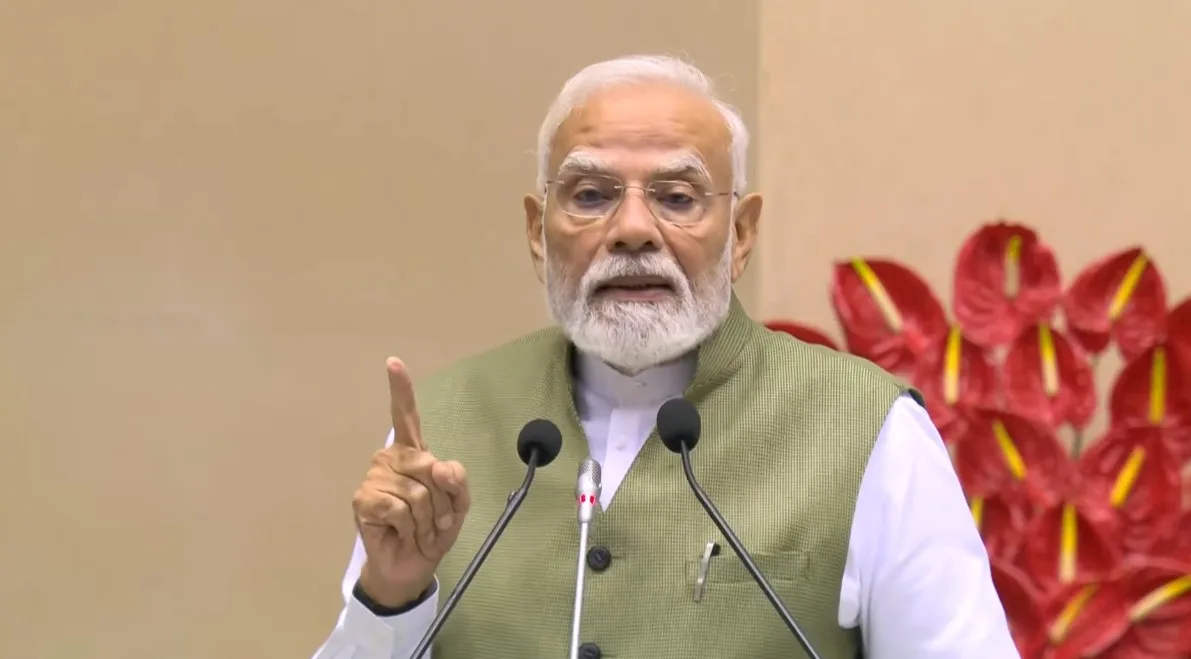
India’s carbon footprint per person remains significantly lower than the world average, according to Prime Minister Narendra Modi. Speaking recently, he emphasized that despite being a major developing nation, India’s emissions per capita do not surpass half the global figure, underlining the country’s commitment to sustainable growth.
The prime minister linked this statistic to India’s broader environmental policies, highlighting ambitious targets for expanding renewable energy and reducing dependence on fossil fuels. He stressed the importance of balancing economic development with environmental responsibility, especially as India addresses energy demands while combating climate change.

Modi outlined India's ongoing initiatives to increase solar and wind energy capacity, alongside innovations in green technology and energy efficiency. These efforts aim to reduce the carbon intensity of India’s energy sector while supporting the needs of a growing population.
India’s approach underscores the challenges developing countries face in aligning climate goals with poverty alleviation and infrastructure expansion. The prime minister argued that India’s relatively low per capita emissions provide context when assessing the country’s role in global climate discussions and international negotiations.
This perspective has influenced international climate dialogues, where India advocates for differentiated responsibilities based on historical emissions and development stages. The government continues to pursue policies designed to promote green growth without hampering economic advancement.