

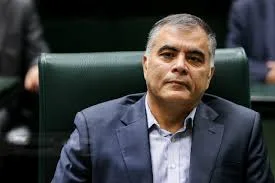
Mohsen Paknejad has left his post as Iran’s Petroleum Minister, according to an announcement by a presidential aide. This resignation signals potential changes in leadership at a critical time for the country’s oil industry, which remains central to Iran’s economy and geopolitical strategy.
The departure comes amid ongoing challenges facing Iran’s energy sector, including sanctions, fluctuating global oil markets, and domestic economic pressures. The ministry plays a vital role in managing the country's vast oil and gas reserves, which are key to sustaining national revenues and maintaining international oil exports despite external constraints.

While official sources did not specify the reasons behind Paknejad’s resignation, such moves often indicate broader shifts within Iran’s political landscape or responses to operational difficulties in managing the petroleum sector. The government is expected to announce a successor who will navigate the complex environment shaped by sanctions and efforts to boost production and exports.
Iran’s petroleum ministry is a pivotal institution responsible for overseeing exploration, production, and export of the country’s hydrocarbon resources. Its leadership is closely watched by global energy markets due to Iran’s significant status as a major oil producer, despite enduring restrictions on its trade activities.