

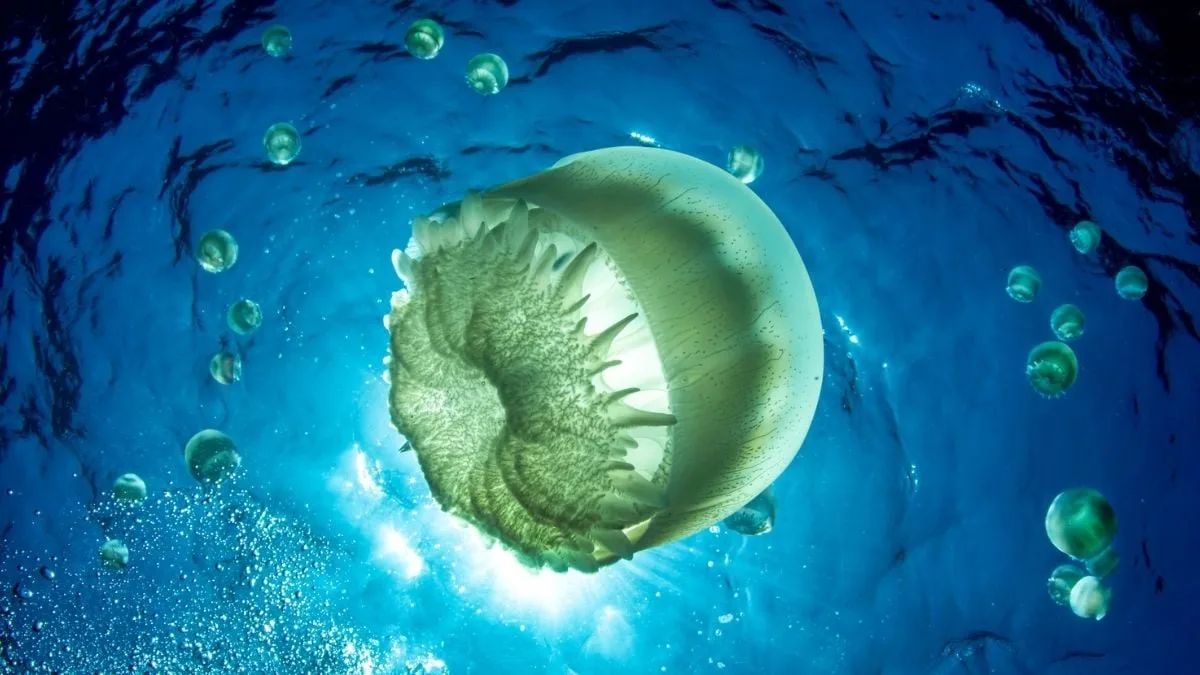
The Gravelines nuclear power plant in northern France shut down multiple reactors due to an overwhelming influx of jellyfish clogging its cooling water intake systems for the second year in a row. The incident forced the plant to suspend operations as a precaution, disrupting energy production and reigniting concerns about the impact of marine life on critical infrastructure.
This repeat shutdown occurred on the same date as the previous year’s event, prompting questions about whether the timing is coincidental or reflects a pattern linked to environmental shifts. According to the plant’s operator, EDF, the sudden mass of jellyfish made the cooling system’s pumps vulnerable to overload, making continued operation unsafe until cleared.

Efforts to prevent recurrence have been costly, with EDF investing substantial resources following the first shutdown. Patrols by fishing vessels now monitor the waters continuously to deter jellyfish blooms from reaching the intake areas. The utility expects to resume full reactor capacity within days, but the incident underscores a growing challenge for thermal power plants relying on natural water sources.
Experts connect these marine disruptions to climate change, noting that rising water temperatures fuel jellyfish population growth and extend breeding seasons, increasing the frequency of bloom events. Such ecological shifts can amplify the vulnerability of infrastructure that depends on predictable natural conditions.
Similar animal-related interruptions have affected other energy and scientific facilities. In the United States, a raccoon breached an electrical substation in Connecticut, causing damage that resulted in widespread power outages affecting thousands of customers before repairs were completed. At the Laser Interferometer Gravitational-Wave Observatory (LIGO) in Washington, pecking ravens triggered vibrations that interfered with sensitive instruments, leading researchers to modify equipment design to mitigate the disruptions.
These incidents illustrate how wildlife interactions with human technology can have unexpected and costly consequences. As climate change continues to alter ecosystems, such disruptions may become more frequent, challenging the resilience of energy infrastructure worldwide.