

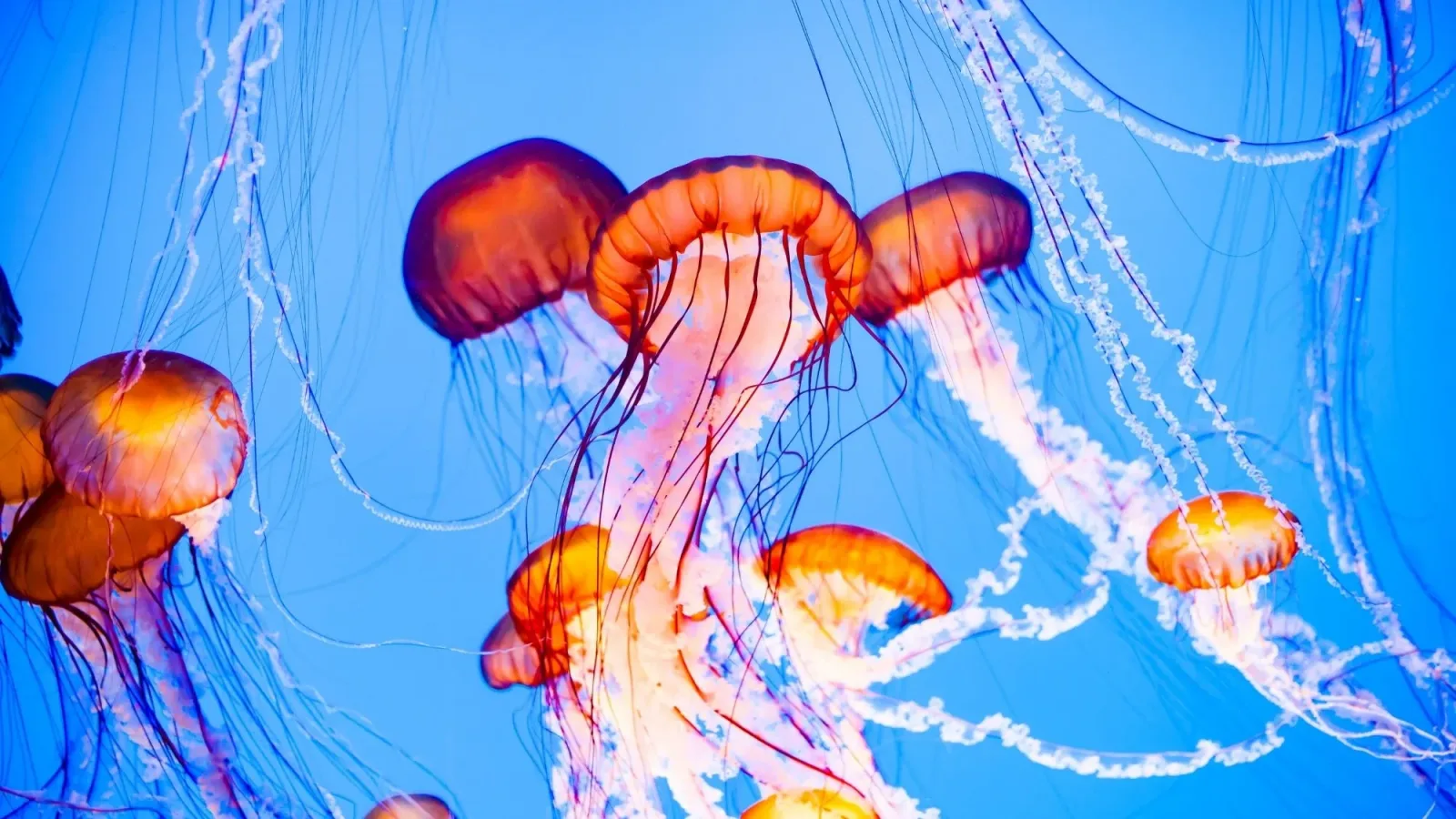
France’s Gravelines nuclear power plant experienced significant operational disruptions after a large swarm of jellyfish blocked seawater intakes vital for cooling its reactors. Three reactors were shut down, and a fourth was throttled to half power as a precautionary measure. This event marks a recurrence of a similar jellyfish-related shutdown that impacted the same facility the previous summer.
The nuclear utility provider EDF assured that the situation posed no safety risks and expected the affected reactors to resume normal operations soon. To mitigate these risks after last year’s shutdowns, authorities deployed fishing boats equipped with vacuum trucks to clear jellyfish before they reached the plant, alongside installing monitoring cameras. Nevertheless, the sheer magnitude of the swarm overwhelmed these preventive efforts.

The proliferation of jellyfish near nuclear plants ties closely to environmental changes. Warmer ocean temperatures extend jellyfish breeding seasons and populations, while factors like overfishing and the decline of natural predators exacerbate their blooms. This phenomenon has hindered nuclear reactors globally for over a decade, illustrating how climate change introduces new operational challenges for critical infrastructure.