

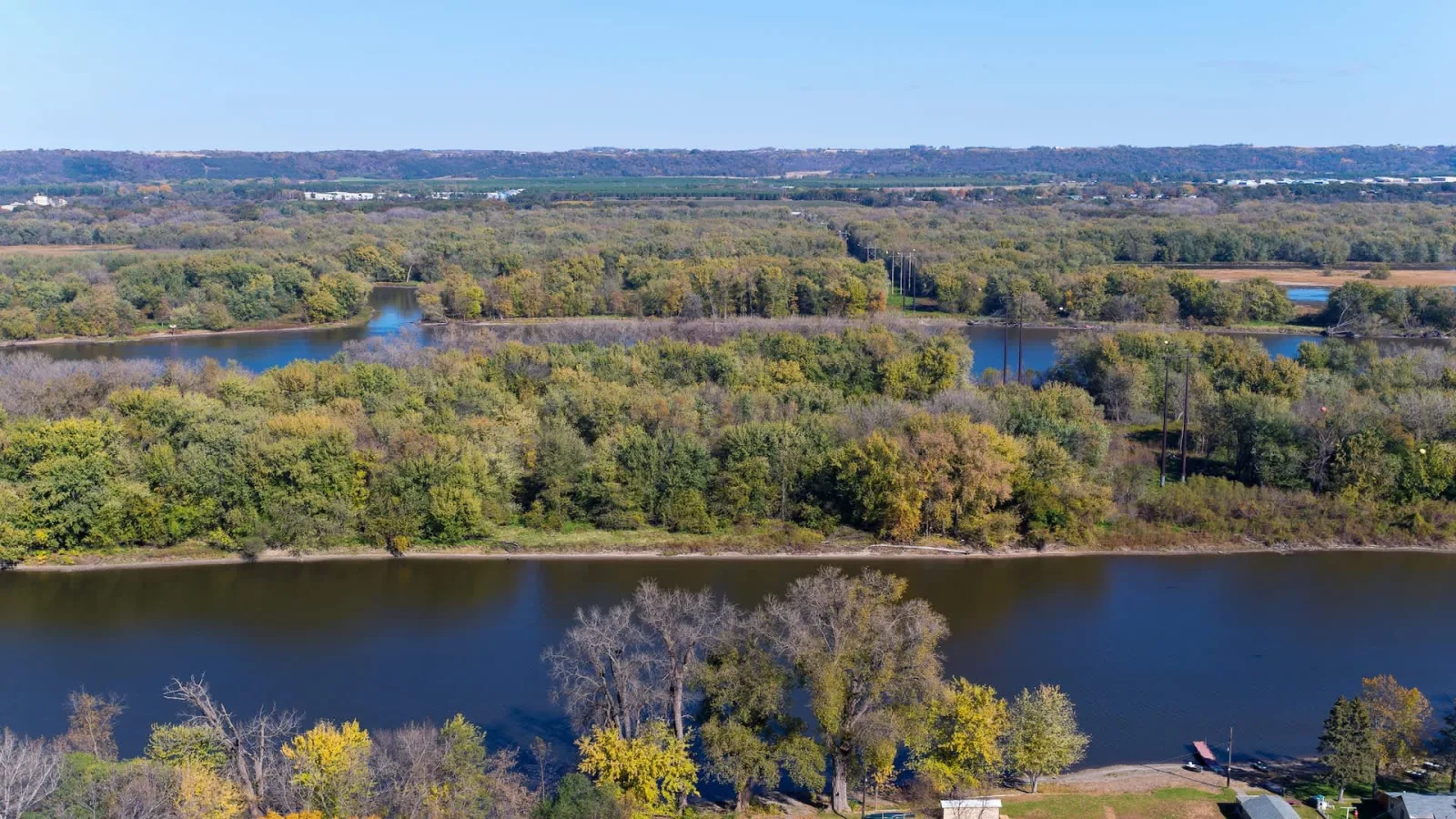
Farmers in the Mississippi River Basin who apply crushed limestone to their fields may be contributing to a subtle but significant increase in soil carbon storage, according to recent research led by Yale University. This common agricultural practice not only helps neutralize soil acidity but also promotes the capture of carbon dioxide (CO2) in the soil, a process that could aid climate mitigation efforts.
The study found that adding limestone to farmland encourages chemical reactions in the soil that enhance its ability to lock away carbon. Contrary to prior assumptions that such treatments primarily affect soil pH and crop yields, the research highlights a measurable capacity for soils to store more carbon than they release. This impacts the overall carbon balance within the region’s agricultural lands.

Crushed limestone, which is rich in calcium carbonate, reacts with CO2 in the soil to form stable carbonate minerals. This process effectively removes CO2 from the atmosphere and incorporates it into the earth, where it remains trapped. As a result, soils treated with limestone can act as carbon sinks rather than sources.
The Mississippi River Basin, one of the largest agricultural regions in the United States, has extensive limestone use, making this soil carbon storage mechanism particularly relevant. Given the scale of agricultural operations in the area, the practice of liming fields could play a role in national carbon management strategies.
While the primary purpose of limestone application is to improve soil fertility by reducing acidity, farmers might also be unintentionally mitigating climate change. Understanding this dual benefit could influence future agricultural guidelines and carbon accounting frameworks.
Further research is needed to quantify the long-term carbon sequestration potential of liming across various soil types and farming systems. Nevertheless, the findings suggest that integrating routine soil amendments could enhance sustainable farming practices while addressing climate concerns.