

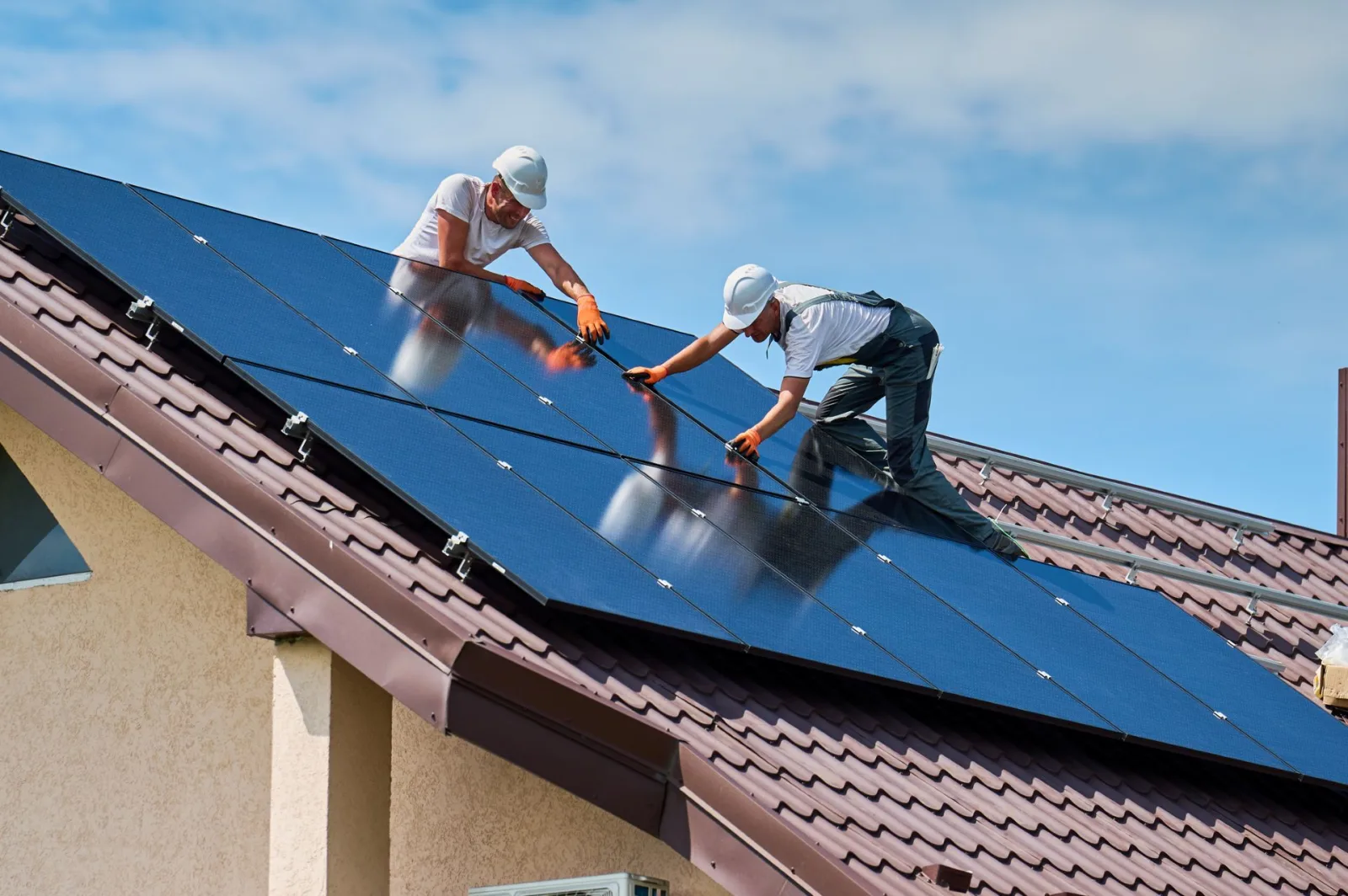
Homeowners associations (HOAs) in Michigan continue to impose rules that limit homeowners’ ability to install sustainable technologies and make eco-friendly yard improvements. A recent study by Michigan State University examined the governing documents of 31 HOAs in Ingham County, uncovering widespread restrictions on solar panels, electric vehicle (EV) chargers, and even clotheslines.
The study, published in the journal Landscape and Urban Planning, found that HOAs tend to prioritize uniform neighborhood aesthetics over sustainability. For example, many associations require minimum home sizes—71% for single-story and 81% for two-story houses—and nearly half mandate lawns and impervious driveways. These regulations discourage water-efficient landscaping or native plantings, which help preserve local biodiversity and reduce water consumption.

Importantly, about one-third of the HOAs limited home energy production options such as solar panels and wind turbines. Additionally, roughly a quarter of the associations outright prohibited clotheslines, a low-cost and energy-saving alternative to electric dryers. This pattern is not unique to Michigan; homeowners nationwide have reported conflicts with HOAs over similar sustainable upgrades, including xeriscaping, pollinator habitats, and EV charging stations.
HOAs influence monthly utility bills and environmental impact by shaping neighborhood landscaping and energy standards. Traditional turfgrass lawns, heavily favored by many HOAs, require frequent watering, fertilizing, and mowing while providing little benefit to local wildlife compared to native plants. Conversely, native and drought-tolerant landscapes lower water use and support pollinators and other beneficial species.
Some states have begun to restrict HOA authority where its rules clash with sustainability efforts. Michigan, Minnesota, Arizona, and Delaware prohibit HOAs from banning solar panels. Nearly 20 states protect the right to install clotheslines, and places like Maryland and California have enacted laws shielding native and drought-tolerant landscaping from HOA restrictions. In Maryland, officials have labeled stringent turfgrass and pollinator garden bans as unreasonable limitations.
Homeowners seeking to challenge or change HOA regulations often start by reviewing their association’s bylaws and the formal amendment procedures. Guides are available to help residents navigate the process of advocating for environmentally friendly home improvements within HOA frameworks.