

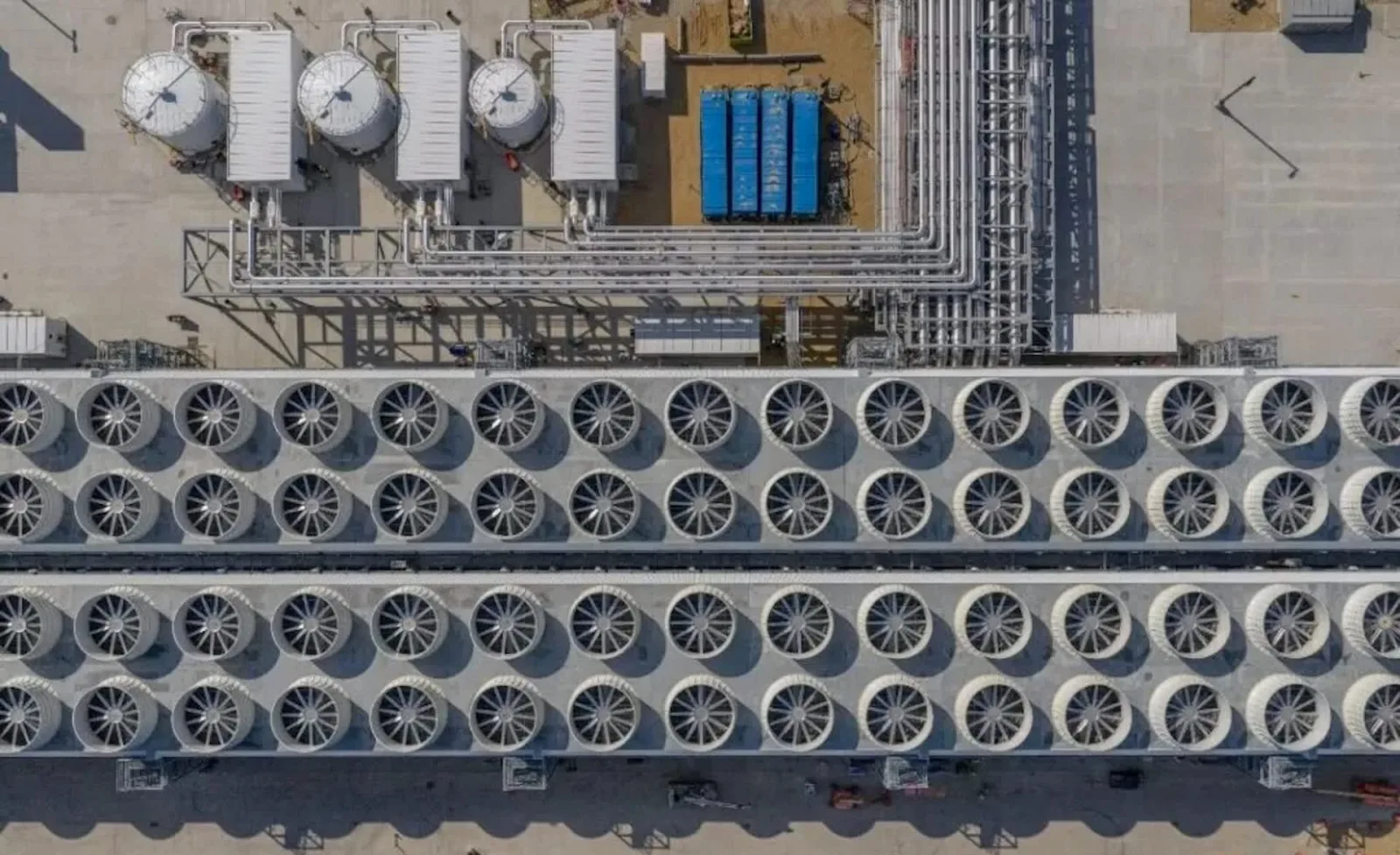
Microsoft’s sustainability report highlights a notable surge in its carbon emissions, driven largely by the expansion of AI data centers, but clarifies widespread confusion around a viral emissions figure that overstated its annual footprint. The company reported approximately 22 million tons (20 million metric tons) of carbon pollution for the year, significantly less than the 37.5 million tons figure that circulated online.
The higher number originated from an illustrative estimate showing what emissions might have looked like without various carbon reduction strategies, including renewable energy purchases, supply chain decarbonization, and efficiency upgrades in products like Xbox consoles and Surface devices. This counterfactual scenario was misinterpreted as Microsoft’s actual emissions total.

This 25% year-over-year emissions increase reflects not only the growth of Microsoft’s AI infrastructure but also the company’s move away from buying unbundled renewable energy certificates (RECs)—a practice subject to criticism for allowing companies to claim renewable energy use without directly sourcing clean power. The U.S. Environmental Protection Agency explains that unbundled RECs separate the purchase of renewable energy certificates from the actual delivery of renewable electricity, raising questions about their effectiveness in reducing emissions.
Microsoft plans to reallocate funding from unbundled RECs toward more impactful initiatives, including investments in carbon reduction, carbon removal, and direct procurement of clean electricity. The report also emphasizes commitments to water stewardship, with Microsoft aiming to replenish more water than it consumes at its facilities, reflecting broader efforts to balance environmental impact amid the increasing energy demands of AI technologies.
The rise in emissions underscores a growing tension between AI’s rapid development and corporate climate goals, as the power-intensive nature of training and operating large AI models places extra strain on energy grids and water resources. While AI holds potential for improving energy efficiency across utilities, its expanding footprint presents new environmental challenges and risks that require vigilant oversight and innovative solutions.