

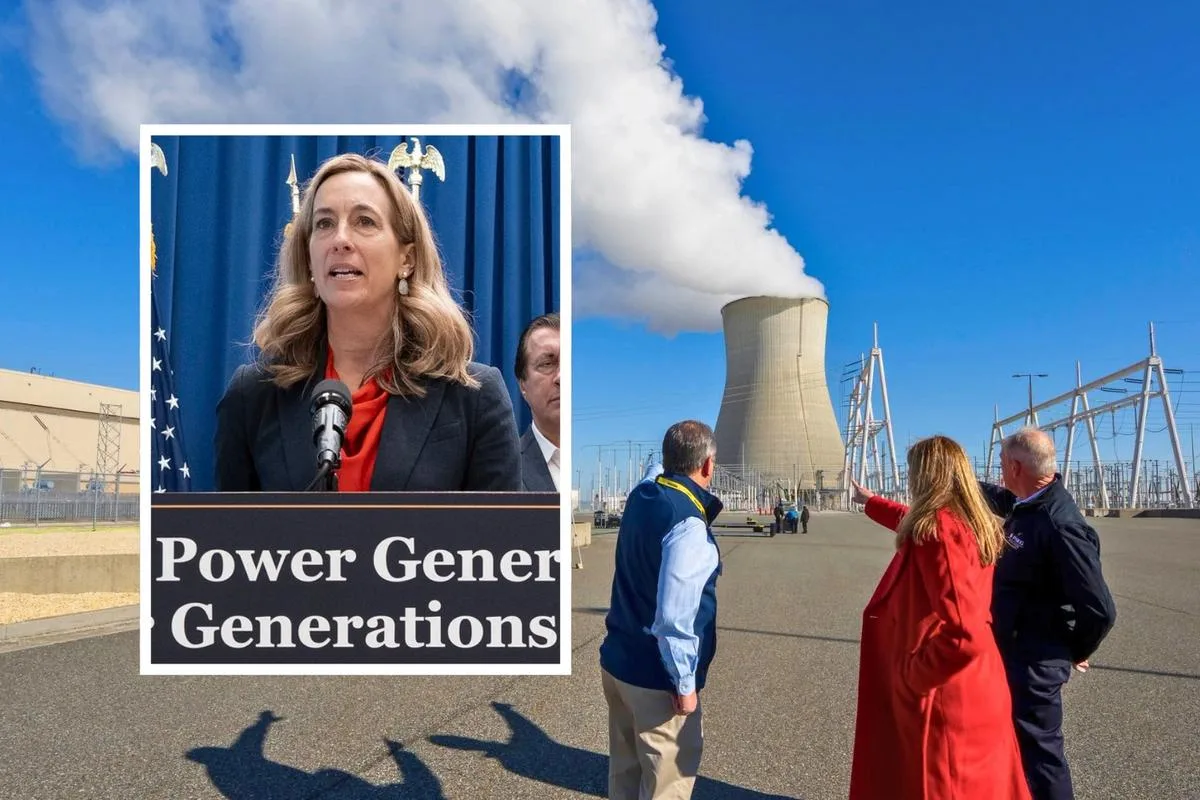
New Jersey has launched a nuclear task force to confront the challenge of rising energy demand that is outpacing the construction of new power plants. This initiative focuses on adding 1,100 megawatts of nuclear capacity to the state’s energy portfolio to ensure a stable and clean power supply.
The task force convened for the first time with a comprehensive mandate divided into five specialized subcommittees. These groups will concentrate on critical aspects including project permitting, financing strategies, workforce development, regulatory challenges, and public engagement. By addressing these facets in parallel, the state aims to streamline processes and facilitate faster deployment of nuclear infrastructure.

New Jersey’s energy landscape faces growing pressure as consumption rises faster than new generating capacity is coming online. Nuclear power is seen as a vital component due to its reliable, low-carbon characteristics, which align with climate goals and energy security priorities. However, past delays in nuclear projects highlight the necessity for coordinated action across government agencies, private sector partners, and communities.
The subcommittees will work to identify obstacles in licensing procedures, unlocking financing avenues for large-scale projects, and training the skilled labor force required to build and maintain nuclear facilities. Additionally, the task force plans to engage local stakeholders to build public support and address concerns related to safety and environmental impact.
New Jersey’s effort reflects a broader national trend where states aim to balance growing electricity consumption with commitments to reduce greenhouse gas emissions. Nuclear energy’s potential to provide steady baseload power without emitting carbon dioxide makes it a key element in future energy plans despite the challenges in its development.
By mobilizing expertise and resources through this task force, New Jersey seeks to close the gap between increasing demand and current energy supply limitations. The success of this endeavor depends on efficient coordination and clear regulatory frameworks supporting timely construction and operation of new nuclear plants.