

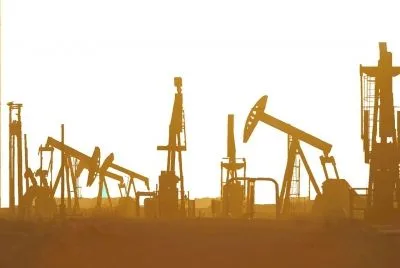
OPEC+ has agreed to raise its crude oil production quota by approximately 188,000 barrels per day from September, partially restoring cuts implemented in 2023. This decision, made by seven key producers including Saudi Arabia, Russia, Iraq, Kuwait, Kazakhstan, Algeria, and Oman, marks another step in the group’s cautious approach to calibrating oil supply in a volatile global market.
Despite the official increase, the actual boost in global supply could be limited. Ongoing conflicts in the Middle East continue to disrupt exports, particularly around the Strait of Hormuz, a critical maritime chokepoint responsible for nearly a fifth of worldwide oil and gas shipments. These geopolitical obstacles mean higher production quotas do not necessarily translate into more oil reaching international buyers.

Moscow faces additional hurdles after repeated drone strikes on its energy infrastructure, keeping Russia’s current output below its OPEC+ quota. The country produces about 9 million barrels per day, short of its 9.8 million barrels per day target. Compounding the uncertainty, the United Arab Emirates exited OPEC+ in May, driven by frustration over coordinated production limits, raising questions about the longevity of the group’s collective discipline.
Analysts, including those from Rystad Energy, predict that after the September increase, OPEC+ will likely maintain production levels through the fourth quarter while assessing market reactions. Discussions on 2027 production targets are expected to follow, allowing members to evaluate the impact of renewed exports, shifts in global demand, and price fluctuations before making further adjustments.
Since late 2022, OPEC+ has oscillated between deep supply cuts and gradual restoration. The cartel enacted three rounds of reductions that shaved nearly 6 million barrels per day off the market, aiming to balance prices. The current strategy involves slowly bringing back curtailed output as market conditions evolve.
Meanwhile, geopolitical dynamics remain tense. US President Donald Trump announced a cancellation of planned strikes on Iran, contingent upon rapid progress in negotiations. Trump claimed Iran and other regional actors requested the delay, but Iranian state media denied this, dismissing the claim as false. Such unrest underscores that oil supply decisions rely not just on quotas but also on complex regional developments.