

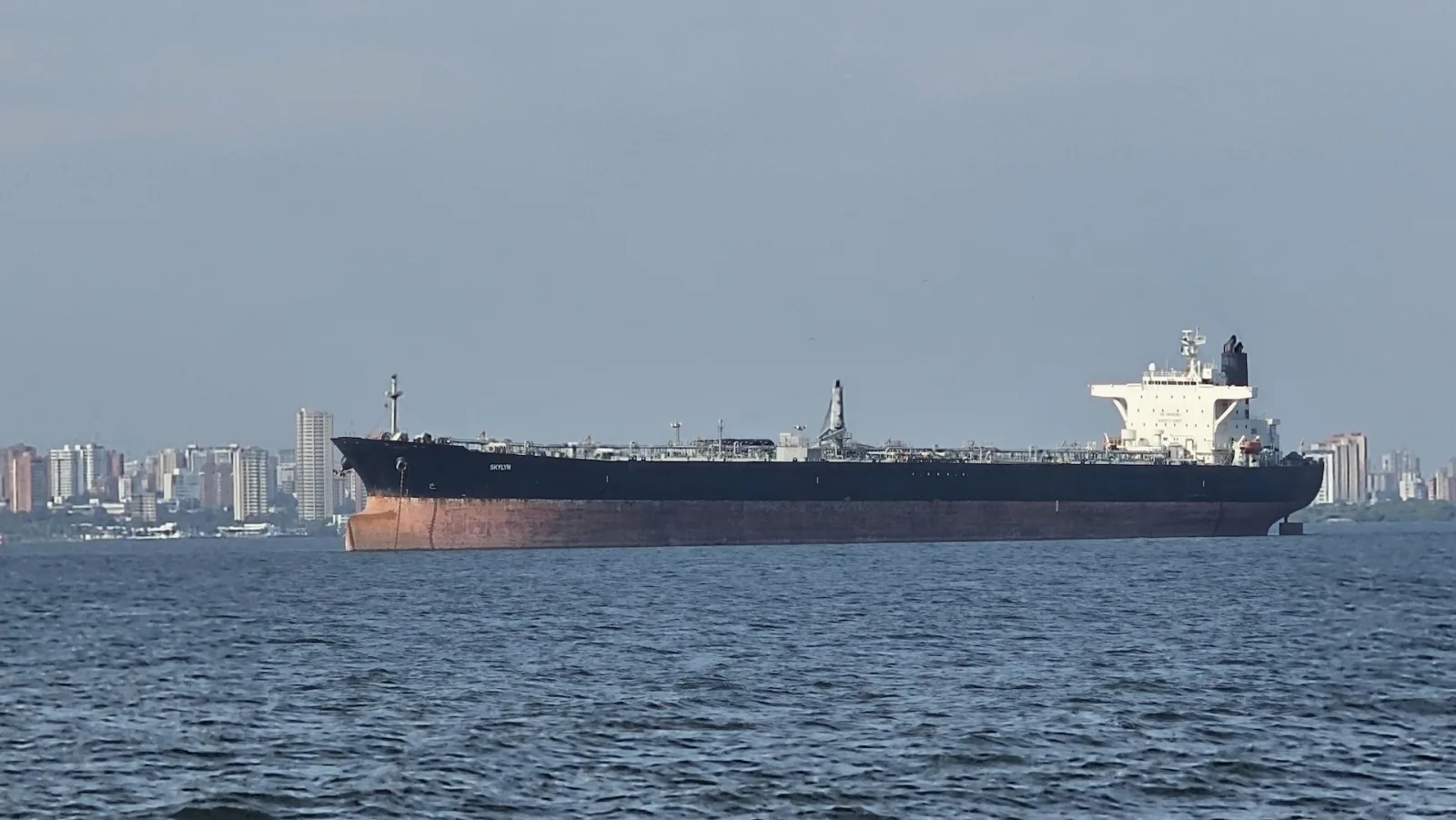
Life along Lake Maracaibo is marked by persistent environmental hazards as oil pollution contaminates water sources and air quality in the region. Residents report that oil spills have become a routine problem, affecting the beaches and waterways they rely on for drinking, bathing, and fishing. This deterioration stems from aging infrastructure in Venezuela’s critical oil-producing area.
The scale of the crisis is difficult to measure fully, as official spill data has not been published for several years. However, available reports show an increase in the number of spills, which rose from 77 incidents in one year to 84 the next. Locals say pollution is so severe that swimming in the lake's waters is joked about as causing people to “sprout a third eye,” underscoring the toxicity residents face daily. The most affected areas are often those inhabited by poorer communities, who use the contaminated beaches despite the risks.

The environmental damage extends beyond water contamination. Gas flaring from wells and refineries releases pollutants into the air, while decades of drilling have caused land subsidence, raising flood risks. These conditions contribute to serious health threats, including exposure to petroleum chemicals, heavy metals, and industrial toxins linked to cancer, neurotoxicity, and cardiovascular diseases.
Efforts to revive oil production in the area amid broader pushes for private investment have left many locals and activists anxious about worsening pollution and health dangers. The tourist industry also suffers; for example, spills that leave oil and tar coating visitors’ feet damage ecotourism prospects, a critical alternative income source for some residents. Environmental activists advocate policies that would allocate a portion of oil revenues toward cleanup and community support, seeking a more sustainable balance between economic activity and public health.