

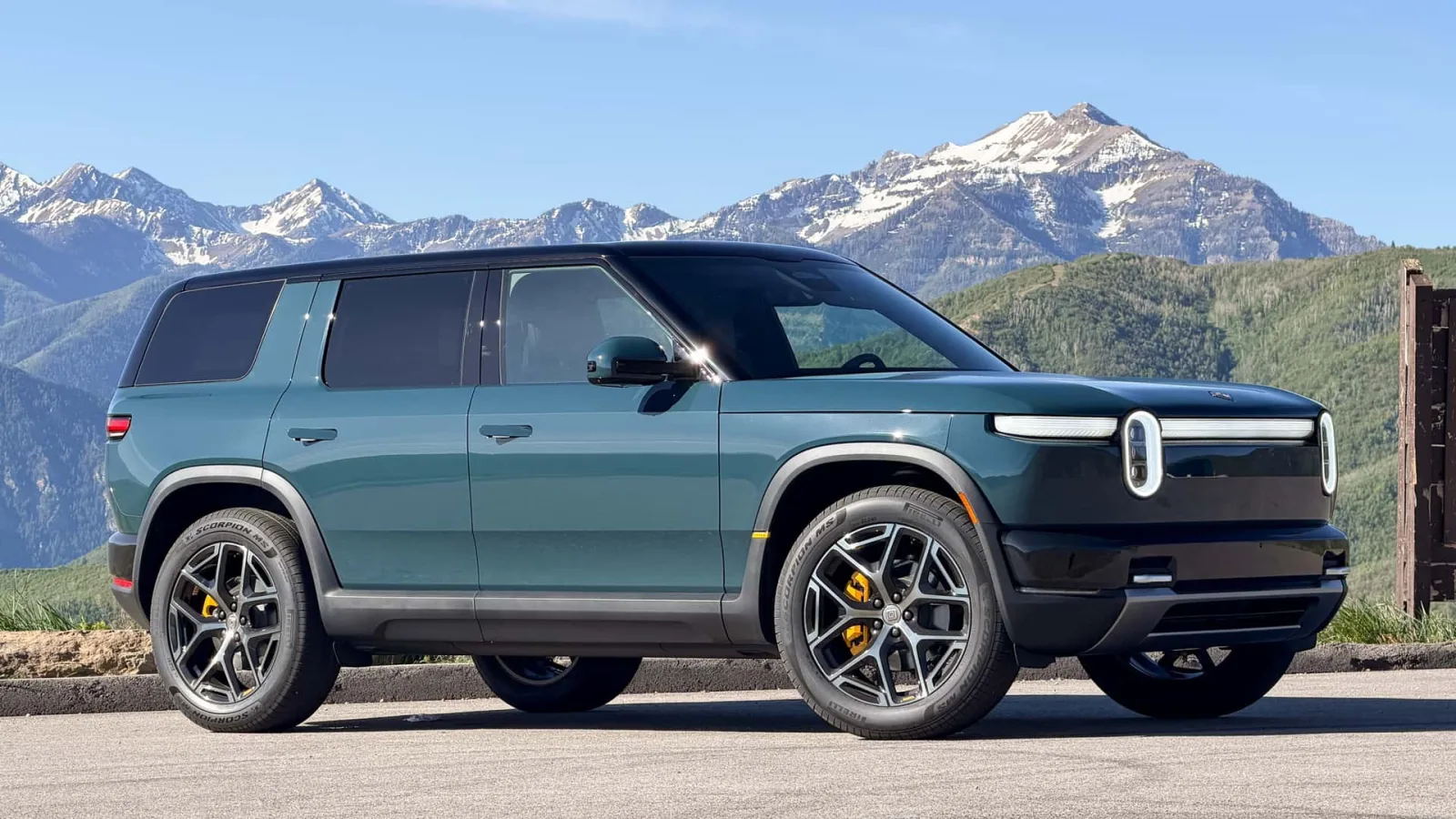
Rivian announced that its forthcoming R2 model delivers a carbon footprint roughly half that of the existing R1S SUV, highlighting the company’s effort to minimize environmental impact in its newer vehicle. This reduction comes through a combination of smaller vehicle size, efficient manufacturing, and material selection.
While many manufacturers focus on general statements about carbon reductions, Rivian provided a specific comparison, underscoring how size and production approaches directly influence emissions. The R2 targets a more affordable market segment, making sustainable electric vehicles more accessible without compromising the brand’s commitment to environmental responsibility.

The company’s approach includes sourcing materials with lower embodied emissions, streamlining assembly processes, and optimizing the vehicle’s design for reduced energy consumption during production and use. These strategies contribute to a lifecycle carbon footprint that reflects a notable decrease compared to Rivian’s larger and more resource-intensive vehicles.
This move reflects a broader trend in the electric vehicle industry where manufacturers seek to balance vehicle performance, affordability, and sustainability metrics. By providing detailed data on its carbon footprint, Rivian aims to set a transparent example in environmental reporting. The R2’s reduced carbon impact could appeal to environmentally conscious consumers looking for electric vehicles with tangible ecological benefits.