

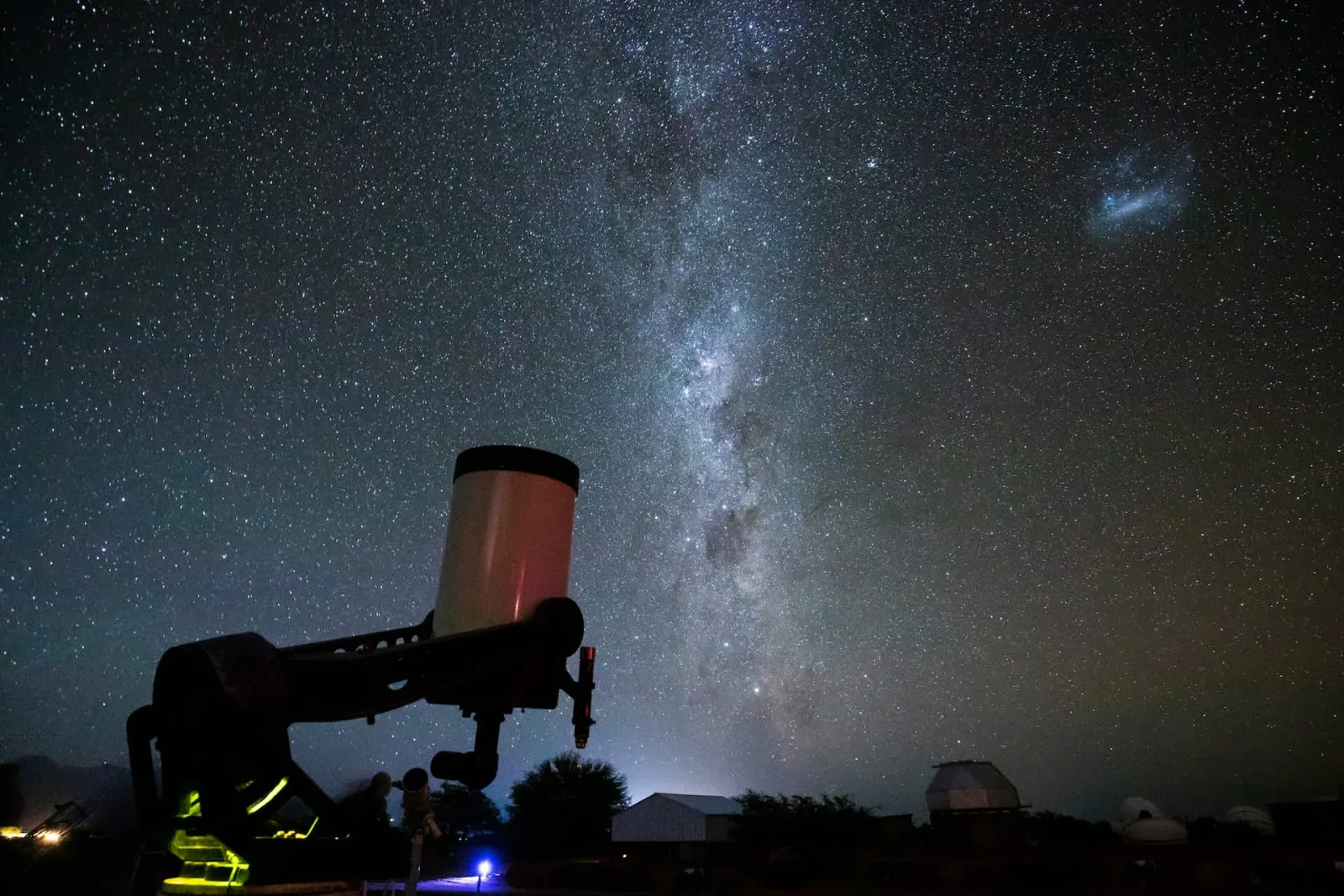
The surge in low Earth orbit satellites is poised to dramatically affect ground-based astronomy, particularly in Chile, home to some of the world's leading telescopes. The European Southern Observatory (ESO) warns that as satellite numbers grow, the Very Large Telescope and Vera C. Rubin Observatory in Chile could suffer major losses in their ability to observe the cosmos, with some simulations showing up to a 28% reduction in field of view for the Very Large Telescope.
This threat stems mainly from the light scattered by satellites passing overhead, which leaves bright streaks in telescope images. This interference hampers the study of distant galaxies, asteroid tracking, and observation of significant cosmic events. The problem has worsened since the rapid deployment of SpaceX's Starlink network, which alone has launched over 10,000 satellites—nearly as many as the total number humanity had ever launched before 2022.

The challenge is expected to escalate if Elon Musk proceeds with his plan to deploy a constellation potentially reaching one million solar-powered orbital data centers. Such an expansion would amplify the frequency and intensity of light pollution in critical observational areas, risking damage to scientific research and diminishing the clarity of the natural night sky experienced by the public.
Ground-based telescopes like those operated by ESO play an essential role in monitoring space weather, detecting near-Earth objects, and providing data vital not only to astronomy but also to education, planetary defense, and engineering. Disruptions caused by satellite light scatter threaten these functions, prompting calls for regulatory measures.
In response, the ESO has proposed imposing a cap on the total number of satellites orbiting Earth, recommending a limit of 100,000 to safeguard scientific observations. Their simulations indicate that without such limits, expanding satellite constellations could seriously compromise the capabilities of some of the world’s most powerful astronomical instruments.