

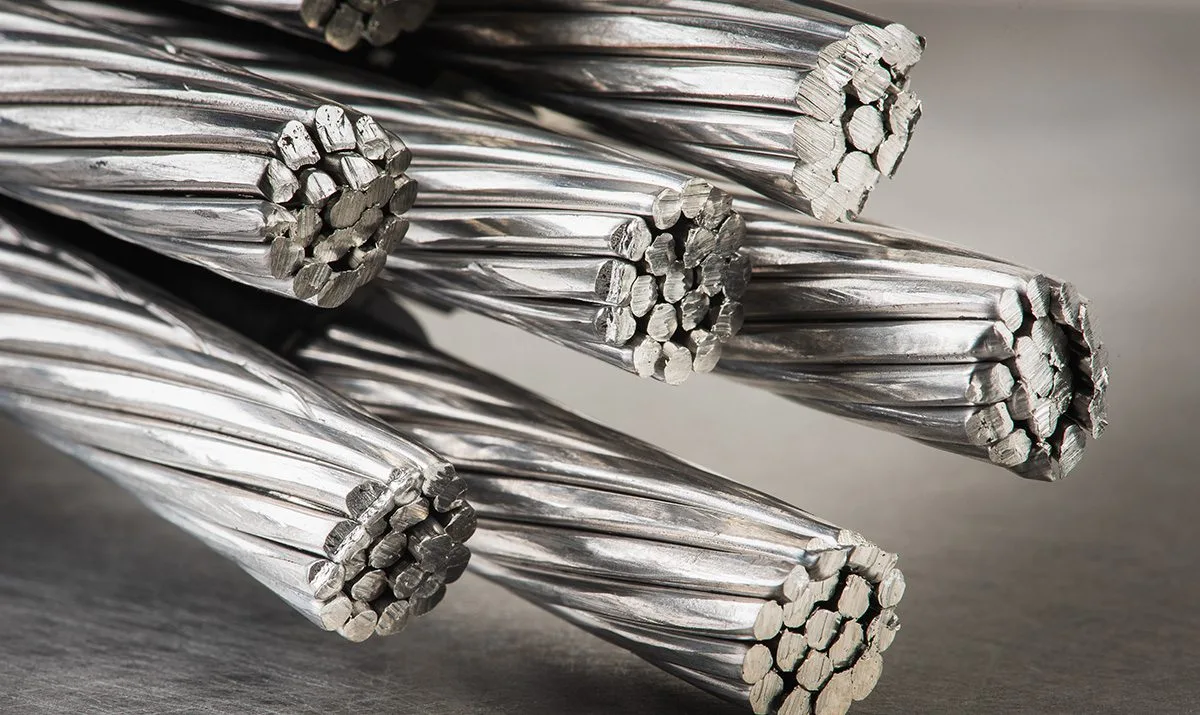
Scandium Canada has entered into a collaborative research agreement with the University of Windsor’s Center for Hybrid Automotive Research and Green Energy (CHARGE) to evaluate aluminum-scandium (Al-Sc) alloy wire as a potential replacement for copper wire in electric vehicle (EV) traction motors. The partnership aims to investigate the alloy’s practicality, durability, electrical performance, and cost-effectiveness in powering EV motors, where weight and heat resistance are critical factors.
Under the terms of the memorandum of understanding, Scandium Canada will produce the Al-Sc wire and provide its material specifications for testing. The University of Windsor’s CHARGE center will take the lead on electrical simulations, motor segment and system testing, as well as developing wire coating processes to enhance performance. Both organizations will jointly benchmark the aluminum-scandium wire against conventional copper wire through a series of physical, mechanical, and specialized tests, including assessments of dielectric strength and heat resistance.

The research targets the demanding environment within traction motors, where the weight of the conductor, thermal endurance, and mechanical strength affect overall motor efficiency and vehicle driving range. Aluminum conducts electricity nearly as well as copper but at roughly half the weight, offering potential benefits in EV powertrain design. Adding scandium to aluminum alloys strengthens the material while maintaining enough ductility to be drawn into wire and formed into motor windings.
Results demonstrating viable performance and commercial potential will advance through Scalium+, Scandium Canada's commercialization arm specializing in aluminum-scandium alloy applications. The CEO of Scalium+ emphasized that this collaboration represents a critical step toward technical validation of the Al-Sc wire concept, independent of mining timelines, aiming to position it as a competitive alternative to copper in electric powertrain components.