

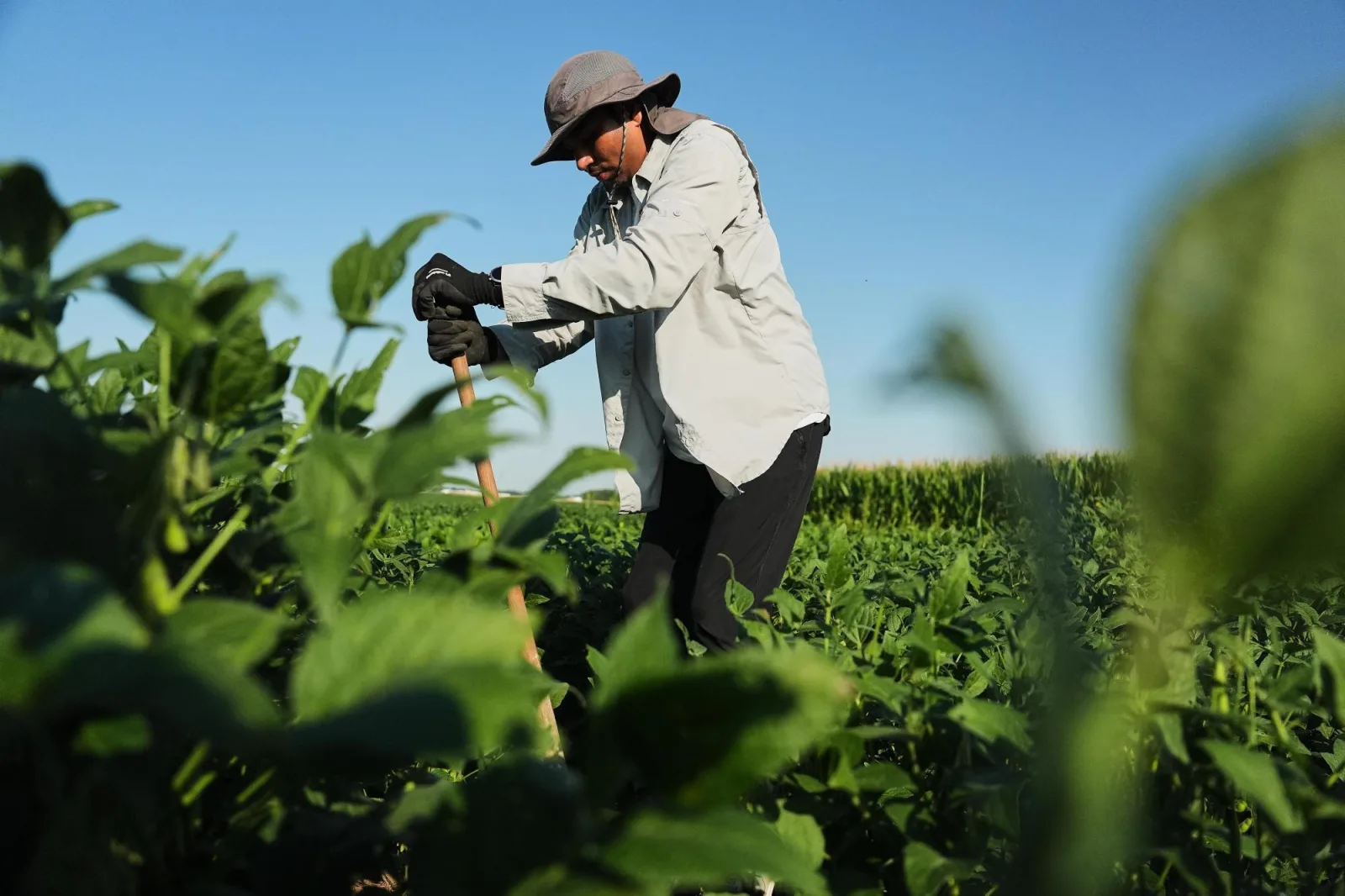
Scientists are advancing efforts to develop soybean plants with significantly deeper root systems, aiming to improve crop resilience against extreme weather conditions and enhance soil carbon sequestration. These longer roots enable soybeans to access water and nutrients more effectively during droughts, while also contributing to carbon storage underground.
The research centers on identifying and promoting genetic traits that encourage deeper root growth. By selecting soybeans with robust root architecture, scientists hope to produce plants capable of enduring harsher climates and reducing greenhouse gas accumulation through increased carbon capture in soils.

Improved root depth allows soybeans to reach moisture reserves that shallower roots cannot access, boosting survival during dry spells and stabilizing yields. Additionally, deeper roots contribute to healthier soil structures by depositing organic carbon further below the surface, which can mitigate the effects of climate change.
This approach aligns with broader agricultural strategies that seek to balance productivity with environmental stewardship. By integrating these deeper-rooted soybean varieties into farming systems, producers may face fewer losses from drought and heat stress, while supporting efforts to combat atmospheric carbon rise.
Ongoing field trials assess how these enhanced root traits perform across various soil types and climatic zones. Researchers emphasize that successful adoption will depend on combining these genetic improvements with sustainable land management practices.